How Medical Imaging and Digital Health Technologies Help Detect Senior Health Issues Early

Aging brings a range of health challenges, many of which develop gradually and remain unnoticed in their early stages. For seniors, small physical or cognitive changes can often signal underlying conditions that require medical attention. However, traditional healthcare approaches sometimes rely on symptoms becoming visible before action is taken.
With the rise of digital health technologies and advanced medical imaging systems, early detection is becoming more efficient, accurate, and accessible. These innovations are transforming how healthcare providers monitor, diagnose, and manage age-related conditions.
The Role of Early Detection in Senior Healthcare
Early detection plays a critical role in improving outcomes for older adults. As the body ages, recovery slows down and the risk of complications increases. Identifying issues before they progress allows healthcare providers to intervene sooner and reduce long-term health risks.
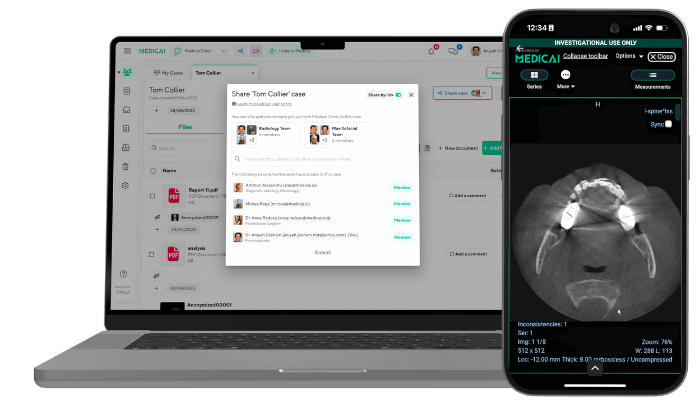
Digital health platforms now enable continuous access to patient data, making it easier for doctors to monitor changes over time. When combined with medical imaging, this creates a more complete picture of a patient’s health, supporting faster and more informed decision-making.
Medical Imaging in Identifying Mobility and Fall Risks
Mobility decline is one of the most common challenges among seniors. Muscle weakness, joint degeneration, and balance issues can increase the likelihood of falls, which often lead to serious injuries.
Medical imaging technologies such as X-rays and MRI scans help detect bone density loss, joint damage, and structural abnormalities at an early stage. These insights allow healthcare providers to recommend targeted treatments, physiotherapy, or preventive strategies before conditions worsen.
In addition, integrating imaging results into digital platforms ensures that specialists can easily access and review patient data, improving coordination of care. In some cases, practical adjustments like installing a stairlift can ease strain and reduce the likelihood of accidents, especially for those who experience difficulty with stairs.
Managing Chronic Conditions Through Data and Imaging
Chronic diseases such as cardiovascular conditions, arthritis, and metabolic disorders are common in aging populations. These conditions often require long-term monitoring rather than one-time diagnosis.
Digital healthcare solutions enable continuous tracking of patient health data, while imaging tools provide detailed insights into internal changes. For example, imaging can reveal early signs of heart complications or joint deterioration that may not yet be visible through symptoms alone.
By combining imaging data with electronic health records, healthcare providers can create personalized treatment plans and adjust them in real time.
Supporting Cognitive Health with Advanced Diagnostics
Cognitive decline is a growing concern in senior healthcare. Conditions affecting memory and brain function can develop slowly, making early diagnosis challenging.
Neuroimaging technologies play a vital role in assessing brain health. MRI and CT scans can help identify structural and functional changes associated with neurological conditions. When integrated with digital health systems, these imaging results can be shared quickly among specialists, enabling faster diagnosis and collaborative care.
Improving Vision and Hearing Care Through Digital Systems
Sensory impairments, including vision and hearing loss, significantly impact a senior’s quality of life. Early detection is essential to prevent further complications and maintain independence.
Digital healthcare platforms streamline the process of scheduling tests, storing results, and coordinating follow-ups. Imaging and diagnostic tools help detect issues early, allowing timely interventions such as corrective treatments or assistive devices.
Enhancing Patient Safety with Connected Healthcare
Safety is a major concern for seniors, particularly when managing multiple health conditions. Everyday activities can become risky without proper monitoring and support. A family caregiving app can also help relatives coordinate medications, appointments, daily tasks, and wellness updates while supporting an older adult at home.
This is where a broader focus on keeping seniors safe at home becomes important as part of an overall health strategy. Awareness, preparation, and small preventive steps can significantly reduce the chances of injury and improve confidence in daily living.
The Value of Integrated Medical Data Platforms
One of the biggest challenges in healthcare is fragmented data. Seniors often visit multiple specialists, leading to scattered medical records.
Integrated platforms that centralize imaging and patient data help eliminate this issue. They allow seamless sharing of information between healthcare providers, reducing delays in diagnosis and improving treatment accuracy. This approach is particularly beneficial in complex cases that require multidisciplinary care.
A Proactive Approach to Healthy Aging
Modern healthcare is shifting from reactive treatment to proactive management. By leveraging medical imaging and digital health technologies, healthcare providers can detect risks earlier and guide seniors toward better health outcomes.
This proactive approach not only improves quality of life but also reduces the burden on healthcare systems by preventing severe complications.
Conclusion
The health challenges associated with aging are complex, but they can be managed more effectively with the right tools and strategies. Medical imaging and digital healthcare technologies are playing a crucial role in enabling early detection, accurate diagnosis, and coordinated care.
By embracing these innovations, healthcare providers can support seniors in maintaining independence, improving quality of life, and addressing potential health risks before they become serious problems.

Related Articles
Lets get in touch!
Learn more about how Medicai can help you strengthen your practice and improve your patients’ experience. Ready to start your Journey?
Book A Free Demo