5 trends and developments in healthcare data storage
Healthcare data storage is a crucial aspect of the modern healthcare system, as it allows for the efficient and secure management of patient information and records. Over the past few years, several trends and developments in this field have significantly impacted how healthcare data is stored and accessed. Here are five of the most notable trends and developments in healthcare data storage:
Cloud storage
One of the most significant trends in healthcare data storage is the increasing use of cloud-based solutions. Cloud storage allows healthcare organizations to store and access data remotely rather than on local servers or hard drives. This offers several benefits, including reduced costs, improved scalability, and greater data security.
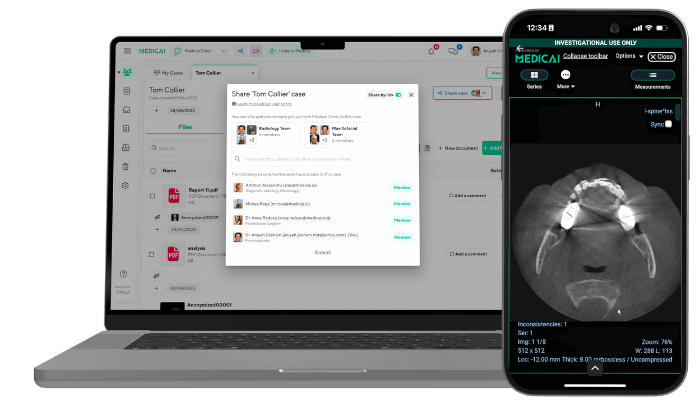
Cloud storage also allows for easier collaboration and data sharing between healthcare professionals, as the data can be accessed from any location with an internet connection. Additionally, many cloud storage providers offer robust security measures, such as encryption and secure login protocols, to protect sensitive patient data.
Big data and analytics
Another trend in healthcare data storage is the use of big data and analytics to extract valuable insights and improve patient care. With the increasing availability of electronic health records (EHRs) and other healthcare data, it has become possible to analyze this data at a large scale and identify patterns and trends that can inform clinical decision-making.
For example, healthcare organizations can use big data analytics to identify risk factors for certain diseases, predict patient outcomes, and improve population health management. By leveraging big data and analytics, healthcare organizations can better understand their patients and provide more personalized and effective care.
Blockchain technology
Blockchain technology, which is most commonly associated with cryptocurrencies like Bitcoin, is also being applied to healthcare data storage. Blockchain allows for the creation of secure and transparent distributed databases, which can be used to store and manage healthcare data.
One potential use of blockchain in healthcare is the creation of electronic medical records (EMRs) that are stored on a decentralized platform. This could allow for more secure and efficient sharing of patient data between healthcare providers, as the data would be stored on a tamper-proof ledger. Additionally, blockchain technology could be used to track the movement of medical supplies and equipment, ensuring that they are used efficiently and effectively.
Artificial intelligence and machine learning
Artificial intelligence (AI) and machine learning are being increasingly applied to healthcare data storage, with the goal of improving the accuracy and efficiency of data analysis. For example, AI and machine learning algorithms can be used to identify patterns in healthcare data that may be difficult for humans to discern.
One potential application of AI in healthcare data storage is the use of natural language processing (NLP) to extract information from unstructured data sources, such as doctors’ notes or patient records. This could allow for the creation of more comprehensive and accurate EHRs, which can improve patient care and reduce the risk of errors.
Interoperability
Interoperability, or the ability of different systems and devices to communicate and exchange data with one another, is another key trend in healthcare data storage. The ability to seamlessly share data between different healthcare providers and systems is crucial for improving patient care and reducing the risk of errors.
To achieve interoperability, healthcare organizations are adopting standards such as the Fast Healthcare Interoperability Resources (FHIR) framework, which allows for the exchange of healthcare data using a common set of protocols. By improving interoperability, healthcare organizations can more easily access and share data, leading to improved patient care and outcomes.
In conclusion, healthcare data storage is a rapidly evolving field that is critical for the modern healthcare system. The trends and developments discussed above, including the use of cloud storage, and big data, should be considered by any healthcare organization for reducing costs and improving patient satisfaction.

Related Articles

Lets get in touch!
Learn more about how Medicai can help you strengthen your practice and improve your patients’ experience. Ready to start your Journey?
Book A Free Demo