Radiología y Ecografía Veterinaria en la Era PACS

¿Qué pasaría si diagnosticar a tu mascota fuera tan rápido y sin interrupciones como pedir comida para llevar desde tu teléfono?
Bienvenido al mundo de la radiología veterinaria moderna.
La radiología veterinaria implica tecnologías de imágenes médicas que ayudan a diagnosticar lesiones, enfermedades y anormalidades en animales. Las clínicas ahora utilizan herramientas como radiografías, tomografías computarizadas y resonancias magnéticas, proporcionando a los veterinarios una visión detallada de la salud animal. La radiología veterinaria revela lo que hay debajo de la superficie, ya sea para un perro cojeando o un gato tosiendo.
Descubramos qué incluye la radiología veterinaria y cómo PACS transforma la radiología veterinaria y las prácticas de ultrasonido.

¿Qué es la radiología veterinaria?
La radiología veterinaria es la rama de la medicina animal que utiliza tecnologías de imágenes para ver lo que está ocurriendo dentro del cuerpo de un animal, sin hacer una sola incisión. Es crucial para diagnosticar lesiones, enfermedades y anormalidades internas en mascotas, ganado y animales exóticos.
Desde huesos rotos hasta tumores, condiciones cardíacas hasta objetos tragados, la radiología ayuda a los veterinarios a visualizar problemas que no pueden detectarse solo con un examen físico.
Los procedimientos son realizados típicamente por radiólogos veterinarios certificados, especialmente en centros de referencia o especialidades. Sin embargo, muchos veterinarios generales también utilizan imágenes en el cuidado diario, especialmente con el aumento de máquinas de ultrasonido portátiles y herramientas digitales fáciles de usar.

Modalidades de imagen centrales en la radiología veterinaria
La radiología veterinaria utiliza herramientas de imagen avanzadas para ayudar a los veterinarios a diagnosticar con precisión diversas condiciones. Cada modalidad de imagen tiene sus fortalezas, dependiendo del área del cuerpo y el detalle necesario.
- Radiografía (Radiografía): La radiografía es a menudo la primera herramienta de imagen utilizada en clínicas veterinarias. Es rápida, rentable y excelente para examinar fracturas óseas, condiciones pulmonares, cuerpos extraños y problemas abdominales. Aunque no proporciona detalles de tejidos blandos, sigue siendo la opción preferida para evaluaciones rápidas y casos de emergencia.
- Ultrasonido: El ultrasonido se especializa en la imagen de tejidos blandos, y se utiliza comúnmente para el corazón (ecocardiografía), hígado, riñones, intestinos y órganos reproductivos. Ayuda en biopsias, detecta acumulación de líquidos y monitoriza embarazos en tiempo real sin radiación.
- Tomografía computarizada (TC): Las tomografías computarizadas ofrecen imágenes detalladas en secciones transversales del cuerpo. Son ideales para evaluar traumas, hemorragias internas y cáncer, especialmente en el tórax, abdomen y cabeza. La TC es rápida y precisa, a menudo utilizada cuando se necesita más información más allá de una radiografía básica.
- Resonancia Magnética (RM): La RM es la opción más avanzada, proporcionando imágenes de alta resolución de tejidos blandos, especialmente del cerebro, la médula espinal, las articulaciones y los nervios. Es esencial en el diagnóstico de problemas neurológicos, ortopédicos complejos y lesiones de la columna, particularmente en animales pequeños.
El papel en expansión del ultrasonido en el cuidado veterinario
En la última década, el ultrasonido ha pasado de ser una herramienta especializada a ser un esencial diario en muchas clínicas veterinarias. Su flexibilidad, seguridad e imágenes en tiempo real lo convierten en una de las herramientas de diagnóstico más versátiles en el cuidado de animales.
A diferencia de las radiografías, que ofrecen una vista estática, el ultrasonido ofrece imágenes dinámicas. Los veterinarios pueden observar los órganos en movimiento, evaluar el flujo sanguíneo y realizar procedimientos en tiempo real como biopsias guiadas por aguja.
Es especialmente valioso en casos como:
- Dolor abdominal o bloqueos sospechosos
- Monitoreo de embarazos
- Evaluaciones cardíacas a través de ecocardiografía
- Detección de líquidos en el tórax o abdomen
Y debido a que las máquinas de ultrasonido son compactas y cada vez más asequibles, incluso pequeñas clínicas ahora tienen acceso a esta tecnología. Algunos modelos de mano pueden incluso conectarse a tabletas o teléfonos inteligentes.
Como resultado, muchos veterinarios generales ahora realizan ultrasonidos como parte del diagnóstico rutinario, no solo especialistas.
Pero esta creciente dependencia del ultrasonido trae nuevos desafíos, especialmente al almacenar, compartir y organizar las imágenes. Cada escaneo produce múltiples cuadros, anotaciones y posiblemente bucles de video. Sin un sistema innovador en su lugar, es fácil que estos archivos se pierdan, se etiqueten incorrectamente o se olviden.
Más clínicas veterinarias están recorriendo a PACS, que puede gestionar sin problemas imágenes radiográficas y de ultrasonido en una plataforma centralizada. A medida que el ultrasonido se expande, también lo hace la necesidad de una infraestructura digital.

Cómo PACS mejora la radiología veterinaria
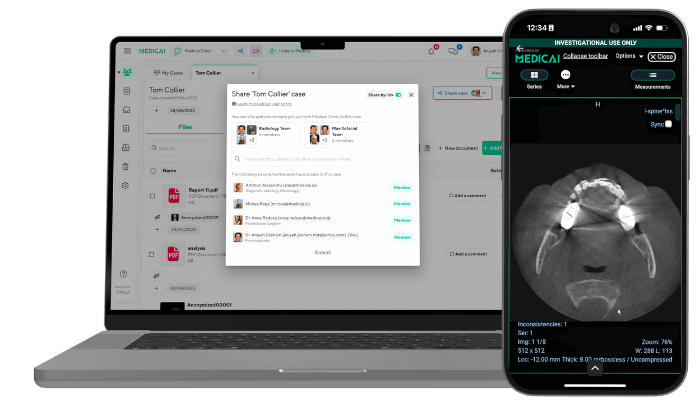
PACS, siglas de Picture Archiving and Communication System, es una plataforma digital centralizada que almacena, organiza, recupera y comparte archivos de imágenes. Se conecta directamente a dispositivos de imagen como máquinas de rayos X, unidades de ultrasonido, tomógrafos y sistemas de RM. Todo lo capturado se archiva automáticamente en un solo lugar seguro.
Con el aumento de proveedores de PACS en la nube, incluso pequeñas clínicas veterinarias ahora pueden permitirse sistemas de imagen de grado empresarial sin instalaciones de hardware complejas.
Desglosar cómo PACS marca la diferencia en radiología veterinaria:
Acceso más rápido y diagnóstico
Uno de los mayores beneficios de PACS es la velocidad. Tan pronto como se toma una radiografía o ultrasonido, la imagen se almacena instantáneamente y es accesible en cualquier dispositivo autorizado en la clínica.
Eso significa:
- Sin esperar a transferencias manuales
- Sin retrasos debido a archivos extraviados
- Visualización inmediata para decisiones clínicas más rápidas
Este acceso rápido puede ser crítico, especialmente en emergencias donde cada minuto cuenta.
Consultas remotas y teleradiología
No todas las clínicas tienen un radiólogo certificado en el lugar. Con PACS, las imágenes pueden compartirse de manera segura con especialistas remotos en solo unos clics.
Esto abre las puertas a:
- Servicios de teleradiología, incluso para prácticas rurales o pequeñas Revisiones de casos 24/7 por expertos externos
- Cuidado colaborativo sin transferir al paciente
- Es un cambio radical tanto para los veterinarios generales como para los especialistas.
It’s a game-changer for both general practitioners and specialists.
Comunicación efectiva con los clientes
Explicar un diagnóstico a un propietario de mascota es más fácil cuando pueden ver el problema por sí mismos.
Con PACS, los veterinarios pueden:
- Mostrar imágenes de alta resolución durante las consultas.
- Acercar, anotar y mostrar comparaciones lado a lado.
- Generar confianza a través de la transparencia visual.
Esto ayuda a que los clientes se sientan informados y seguros en el plan de cuidado, lo que mejora la adherencia y la satisfacción.
Ahorros en costes, espacio y eficiencia
Pasar a lo digital con PACS significa despedirse de:
- Desarrollo de películas
- Grabación de CDs
- Gabinetes de almacenamiento voluminosos
En cambio, todo se almacena de forma segura en la nube o en servidores locales. ¿El resultado?
Menos desorden. Menores costos operativos. Más tiempo para el cuidado veterinario real.
Archivado seguro y cumplimiento
Las clínicas veterinarias también necesitan mantener registros médicos adecuados, especialmente de imágenes.
Los sistemas PACS ofrecen:
- Almacenamiento y copias de seguridad encriptadas
- Gestión de archivos organizada con herramientas de búsqueda
- Archivado a largo plazo para necesidades legales y de historia médica
Esto protege la clínica y asegura la continuidad del cuidado del animal a lo largo de su vida.

Flujo de trabajo de radiología veterinaria con PACS
Pasemos por lo que un flujo de trabajo típico de radiología veterinaria parece con PACS en su lugar:
Paso 1: Adquisición de imágenes
Un paciente llega con su mascota con una preocupación clínica, tal vez un cojeo o dolor abdominal.
El veterinario realiza la prueba de imagen apropiada: una radiografía, ultrasonido, TC o RM.
Tan pronto como se completa el escaneo, las imágenes son:
- Transferidas automáticamente a PACS a través de protocolo DICOM veterinario
- Etiquetadas con detalles del paciente, fecha, modalidad y región del cuerpo
- Almacenadas de forma segura en el sistema, sin necesidad de guardar manualmente o nombrar archivos
Paso 2: Revisión e interpretación
Las imágenes están instantáneamente disponibles en cualquier dispositivo autorizado en la clínica.
El veterinario o un radiólogo externo pueden:
- Ver las imágenes en alta resolución
- Usar herramientas integradas para acercar, girar, medir y anotar
- Comparar con estudios previos lado a lado
Esto acelera el proceso de diagnóstico y reduce la posibilidad de que se pasen por alto hallazgos.
Paso 3: Revisión colaborativa
Si se requiere una segunda opinión, la serie de imágenes puede compartirse de manera segura con un especialista o teleradiólogo. No es necesario enviar archivos físicos ni esperar horas para las transferencias.
El experto puede revisar y reportar, a menudo dentro del mismo día. Esto es especialmente útil para clínicas sin personal de radiología interno o en emergencias.
Paso 4: Consulta y comunicación con el cliente
Con PACS, el veterinario puede mostrar al propietario de la mascota:
- Imágenes anotadas durante la consulta
- Comparaciones antes y después (por ejemplo, reducción de un tumor o curación de un hueso)
- Soporte visual para recomendar cirugía o planes de tratamiento
Esto genera confianza y transparencia, ayudando a los clientes a entender lo que está sucediendo y por qué es importante.
Paso 5: Archivado y seguimiento
Todas las imágenes se archivan automáticamente en PACS, asegurando acceso a largo plazo para futuras visitas y cumplimiento de registros médicos y legales. También ayuda en la recuperación fácil para seguimientos o referencias.
Cuando el paciente regresa para una reevaluación, el equipo puede acceder a imágenes anteriores en segundos y tomar decisiones informadas basadas en la progresión o curación.
Conclusión
La radiología veterinaria y el ultrasonido están evolucionando rápidamente, pero las clínicas corren el riesgo de quedarse atrás sin el soporte digital adecuado. PACS aporta estructura y velocidad a cada etapa del proceso de imágenes, desde diagnósticos hasta almacenamiento a largo plazo.
La solución PACS veterinaria de Medicai es un sistema seguro basado en la nube diseñado para clínicas ocupadas. Proporciona mejor imagen y mejora la atención al paciente.


Artículos relacionados

¡Pongámonos en contacto!
Descubra cómo Medicai puede ayudarle a fortalecer su consulta y mejorar la experiencia de sus pacientes. ¿Listo para comenzar su viaje?
Reserve una demostración gratuita