Page 2 of 19 – Recent Articles
383 posts
Cloud-Based Medical Imaging Collaboration: Better Access, Faster Insights, Stronger Care
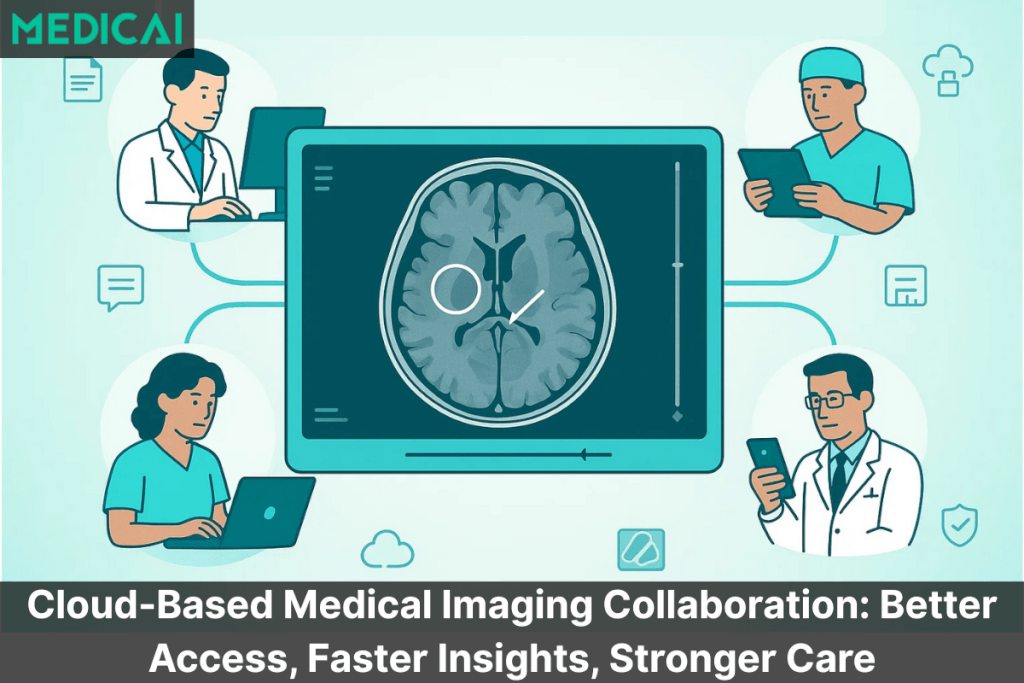
Cloud-Based Medical Imaging Collaboration: Better Access, Faster Insights, Stronger Care Today, collaboration is becoming just as important as interpretation. Online medical imaging collaboration helps clinicians to review, share, and discuss complete DICOM studies from anywhere. It connects radiologists, specialists, primary care providers, and patients in a unified, cloud-based workspace that...

Why Cloud-Based Medical Image Sharing Matters More Than Ever
Why Cloud-Based Medical Image Sharing Matters More Than Ever Waiting days for a CD just to get a doctor to view your scan is indeed frustrating. Cloud-based medical image sharing helps hospitals, clinics, and patients store and share imaging, such as CTs, MRIs, and X-rays, through secure online platforms...

Why DICOM Matters in Modern Radiology?
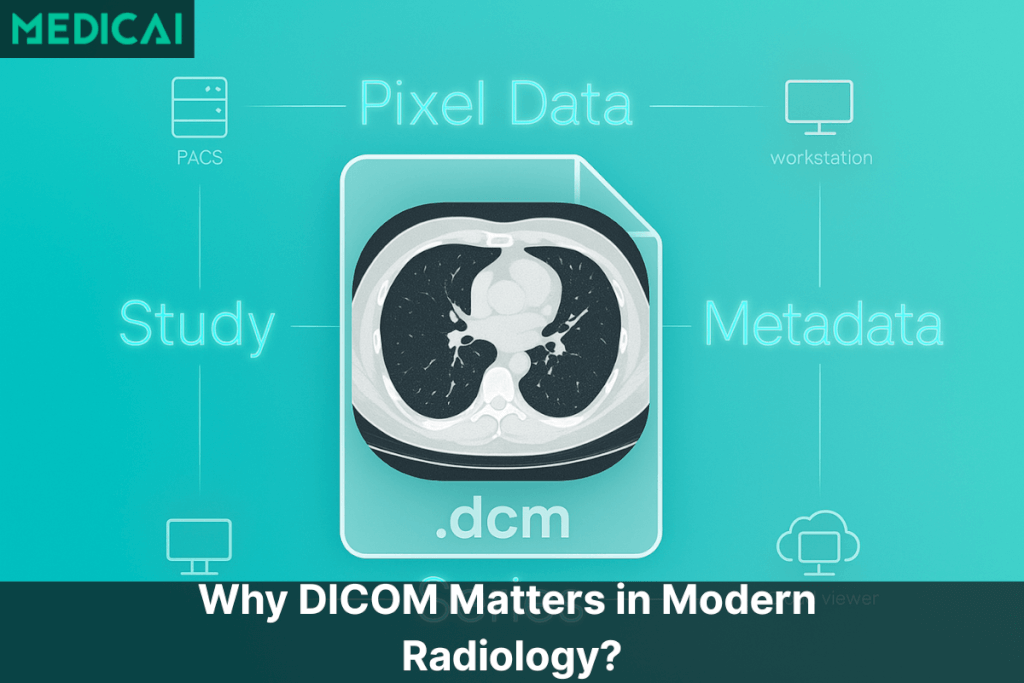
Why DICOM Matters in Modern Radiology? At the heart of radiology sits DICOM. DICOM is the universal standard for storing and transferring medical images. It combines the scan and its metadata into one reliable format. In radiology, DICOM keeps images consistent across different machines and viewers,...

DICOM Format Explained: Understanding Your Medical Imaging Files
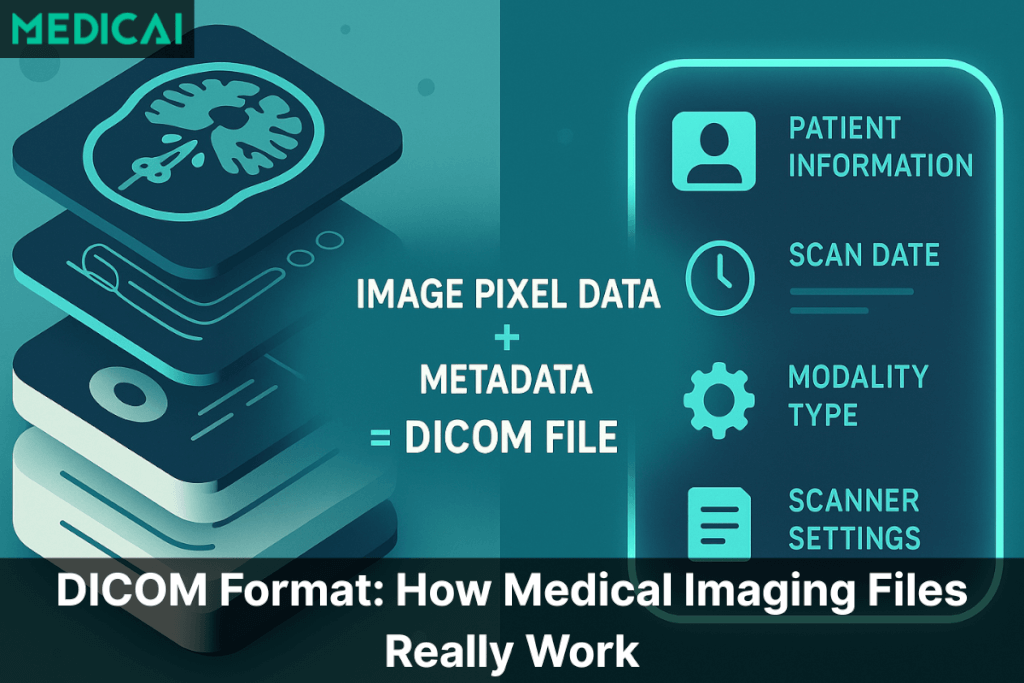
DICOM Format Explained: Understanding Your Medical Imaging Files Medical images can feel confusing, especially when the files look nothing like the scans on your phone. The DICOM format is a specialized medical imaging file format used by hospitals. The format is designed to store images with the clinical...

Radiology Second Opinions for Scans: What Patients Should Know
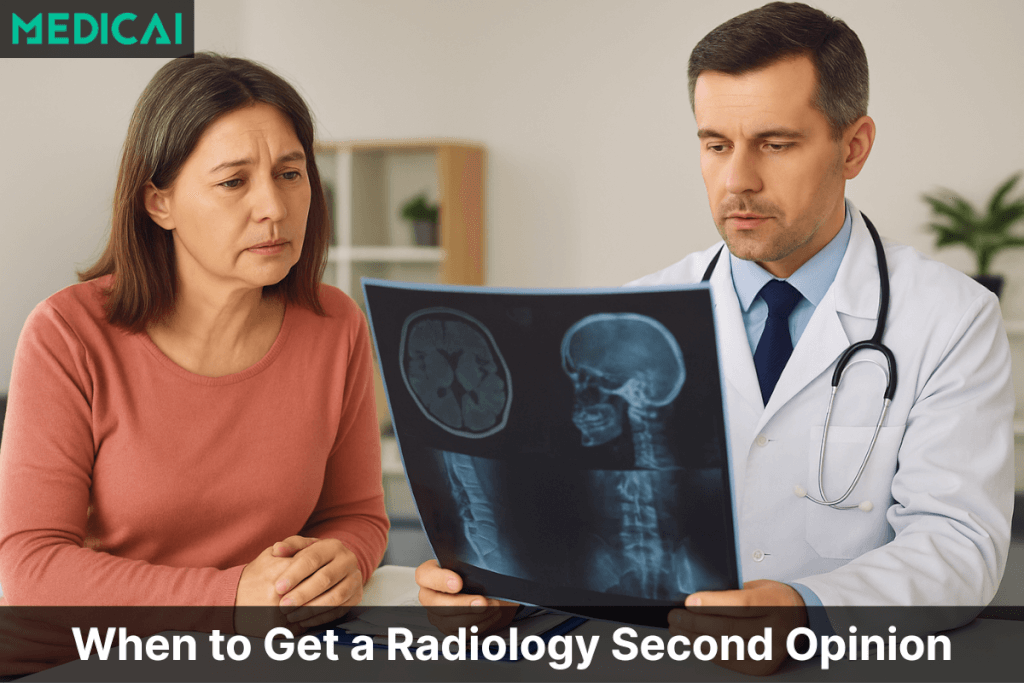
Radiology Second Opinions for Scans: What Patients Should Know Ever walked out of a scan feeling unsure about what the report really meant? Medical imaging can be confusing, and the results often leave patients with more questions than answers. A radiology second opinion provides a fresh, independent review of...

HL7 FHIR vs. V2 in Imaging: Why Your PACS Needs a Modern API
HL7 FHIR vs. V2 in Imaging: Why Your PACS Needs a Modern API For over 30 years, healthcare interoperability has spoken one language: HL7 V2. If you are a PACS Administrator, you know the drill: An order is placed in the EMR, a ORM message fires over a VPN tunnel, the RIS catches...

DICOM Interoperability Failures (And How Hospitals Fix Them)

DICOM Interoperability Failures (And How Hospitals Fix Them) Why images still fail to open across systems — and how modern cloud PACS like Medicai solve the DICOM interoperability failures. Healthcare assumes medical imaging should be universally compatible, aka interoperability. A CT scan produced in one hospital should load...

Mammography PACS & Tomosynthesis: Solving the "Heavy Data" Problem
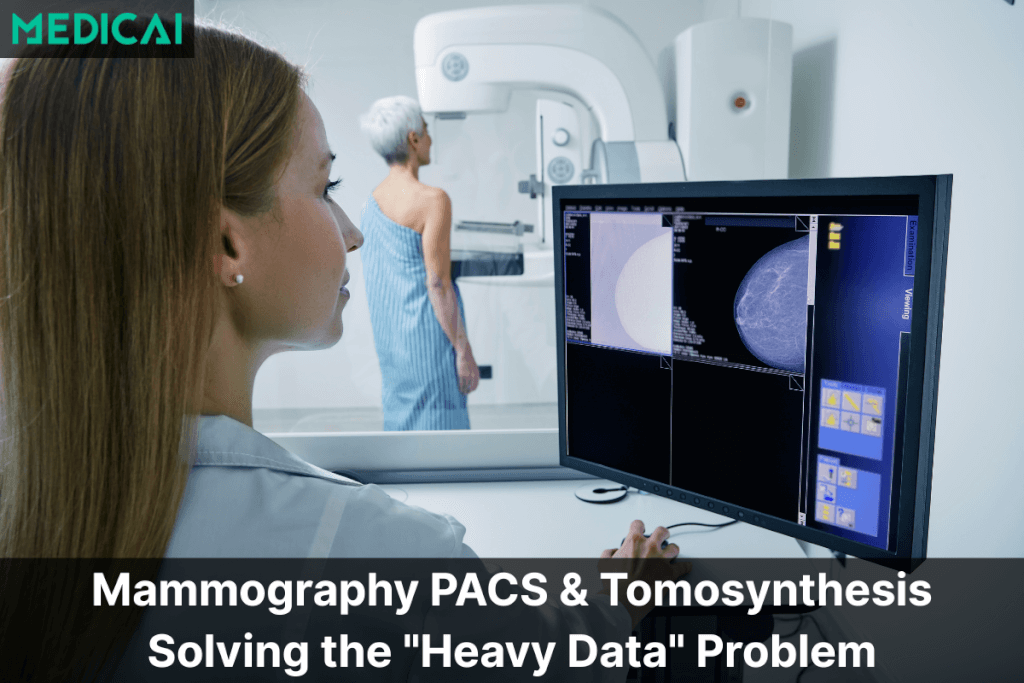
Mammography PACS & Tomosynthesis: Solving the "Heavy Data" Problem In the last decade, breast imaging has undergone a massive technological leap. We moved from 2D Digital Mammography (FFDM) to Digital Breast Tomosynthesis (DBT). Clinically, this is a victory—detection rates are up, and recalls are down. IT-wise, it is a...

Orthopedic PACS & Templating: Why Generic Viewers Fail the Surgeon
Orthopedic PACS & Templating: Why Generic Viewers Fail the Surgeon In general radiology, the goal of a PACS is Diagnosis: “Is the bone broken?” In orthopedics, the goal of orthopedic PACS is Reconstruction: “How do I fix it, and what size implant do I need?” This fundamental difference is why...

What Is a Dangerous PSA Level? Understanding When High PSA Should Lead to MRI

What Is a Dangerous PSA Level? Understanding When High PSA Should Lead to MRI Most men think of PSA (prostate-specific antigen) as a simple blood test that screens for prostate cancer. But a rising PSA level rarely tells the full story on its own. A high PSA does not always equal cancer, and a...

Radiography vs Radiology: Understanding the Difference in Modern Medical Imaging
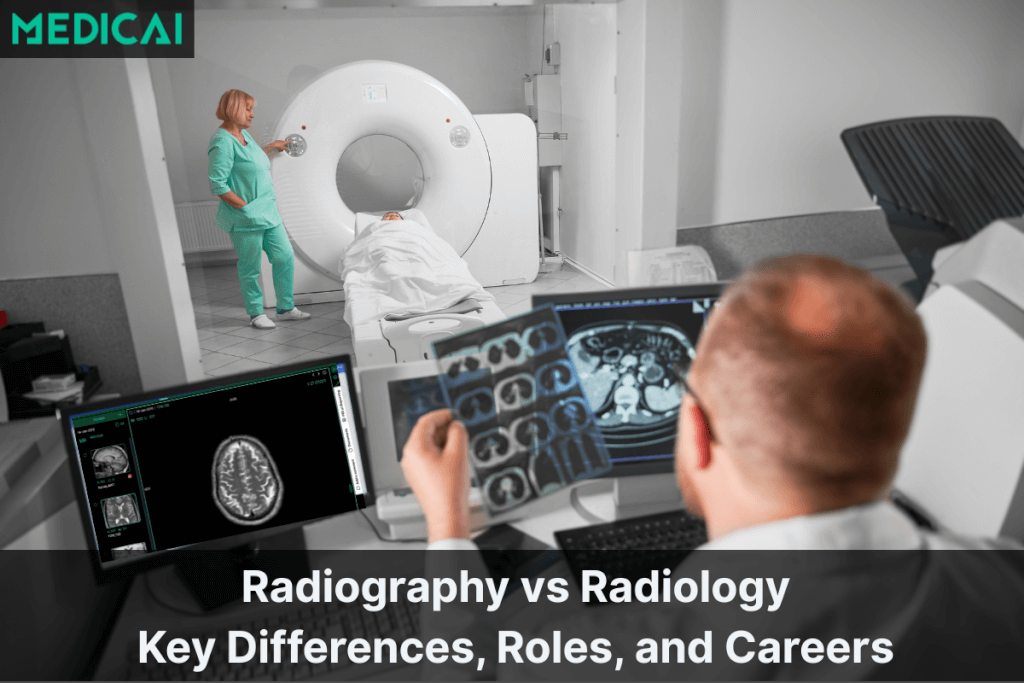
Radiography vs Radiology: Understanding the Difference in Modern Medical Imaging Medical imaging is changing faster than ever — from AI-powered diagnosis to global teleradiology collaboration. But at the foundation of every imaging scan and report are two critical healthcare professionals: radiographers and radiologists. Although their work overlaps, radiography and radiology...

Hybrid PACS Architecture: The Technical Guide for Radiology IT
Hybrid PACS Architecture: The Technical Guide for Radiology IT For the past decade, the debate in radiology IT has been binary: Cloud vs. On-Premise. The Cloud camp promises infinite scalability, disaster recovery, and zero hardware maintenance. The On-Premise camp argues for speed, control, and reliability that doesn’t depend on...

The PACS Migration Checklist: A CIO’s Guide to Switching Vendors Without Data Loss
The PACS Migration Checklist: A CIO’s Guide to Switching Vendors Without Data Loss For many healthcare CIOs and IT Directors, the idea of a PACS Migration induces a specific kind of anxiety. It is the digital equivalent of a heart transplant: you must move the lifeblood of your hospital (patient imaging data) into...

Agentic Document Processing: The Future of Intelligent Healthcare Workflows
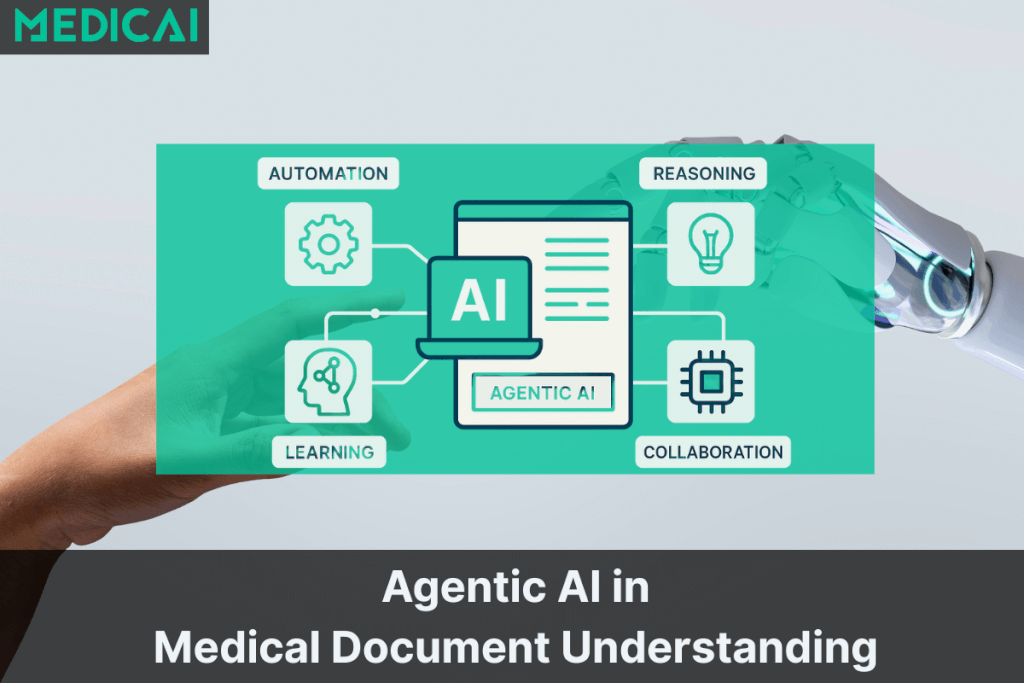
Agentic Document Processing: The Future of Intelligent Healthcare Workflows For years, healthcare automation relied on rules—if-then systems that could only handle predictable inputs. If a referral form matched a known template, it was processed; if not, it was flagged for human review. But the reality of healthcare data is...

How AI Document Extraction Accelerates Clinical Workflows
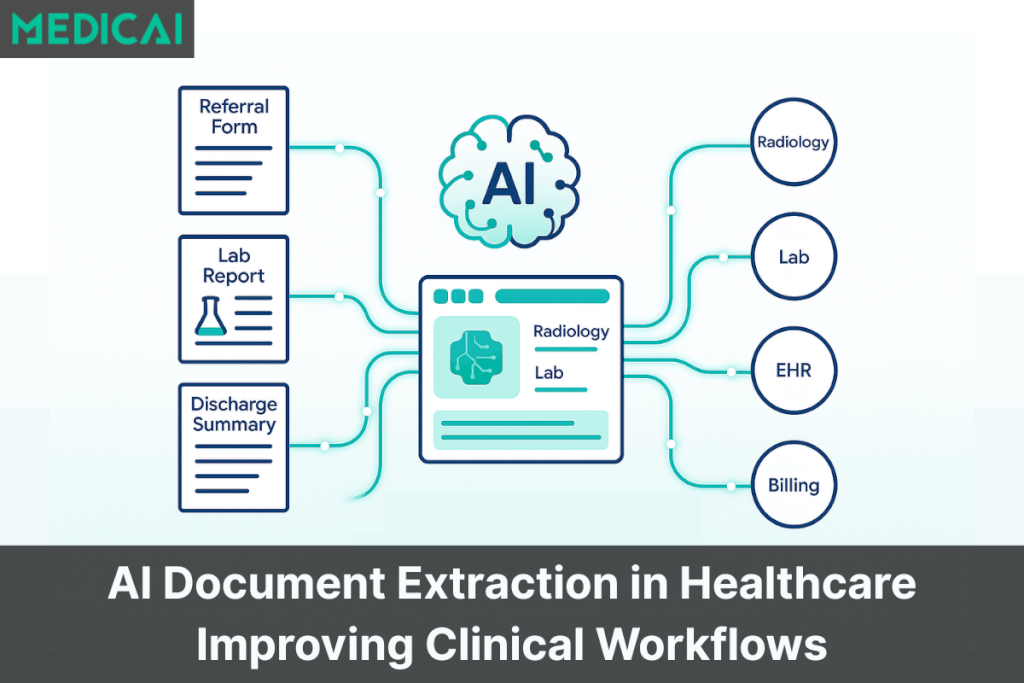
How AI Document Extraction Accelerates Clinical Workflows Healthcare runs on documents — referrals, reports, authorizations, discharge summaries, and imaging requests. Each plays a critical role in diagnosis and care coordination, yet most are still processed manually.This administrative bottleneck delays treatment, increases clinician burnout, and slows down operational...

AI Data Extraction: Unlocking Hidden Value in Radiology Documents
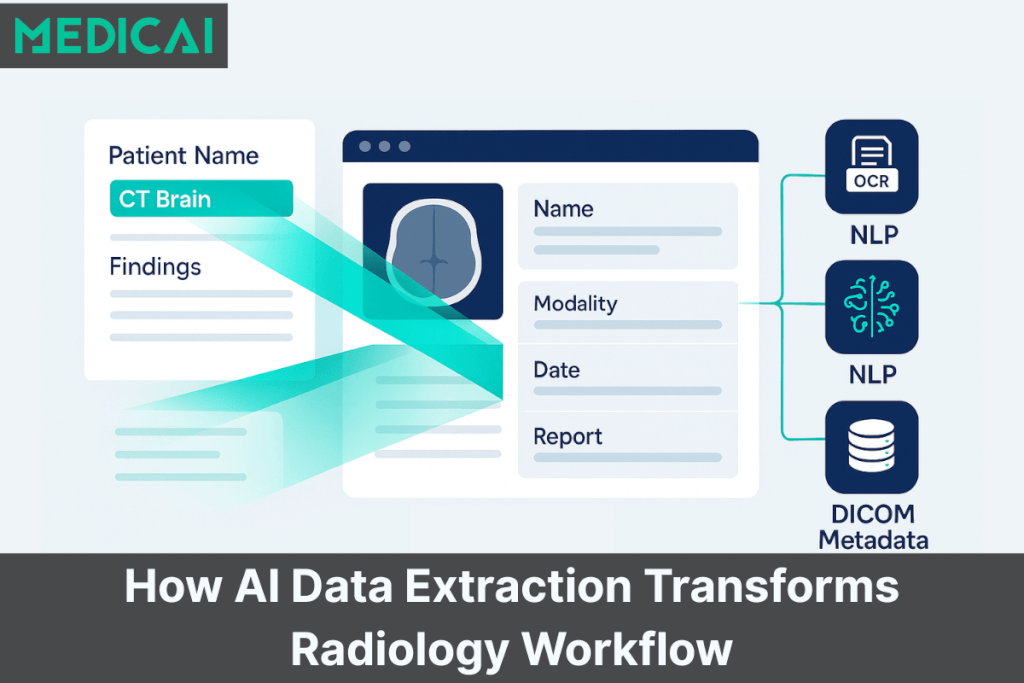
AI Data Extraction: Unlocking Hidden Value in Radiology Documents Radiology workflows are full of valuable information — yet much of it remains trapped inside scanned documents, PDFs, and unstructured reports. Radiologists, technicians, and administrators spend countless hours manually entering patient data, linking imaging results, and ensuring metadata consistency. Artificial...

From Upload to Insight: How AI Simplifies Patient Document Processing
From Upload to Insight: How AI Simplifies Patient Document Processing In modern healthcare, efficiency isn’t just a nice-to-have — it’s a necessity. Yet one of the biggest time sinks in hospitals and clinics remains patient paperwork. From onboarding forms and consent documents to referral letters and insurance proofs, the process...

Bringing Order to Chaos: The Role of AI in Medical Document Processing
Bringing Order to Chaos: The Role of AI in Medical Document Processing Healthcare runs on information — but much of that information is locked inside unstructured documents: handwritten notes, scanned lab reports, discharge summaries, and referral letters. Every hospital, clinic, and imaging center generates thousands of such documents daily, each essential for...

How AI Document Processing Is Transforming Healthcare Administration
How AI Document Processing Is Transforming Healthcare Administration Healthcare has always been a data-rich industry — but much of that data still lives in silos, trapped in faxes, scanned PDFs, and unstructured reports. Every day, hospitals and clinics juggle thousands of forms: patient consents, referrals, imaging requests, insurance...

HIPAA & GDPR Guide to Secure Medical Image Sharing
HIPAA & GDPR Guide to Secure Medical Image Sharing In a world where data moves fast, security in healthcare must move faster, protecting every medical image, every time, everywhere. To share medical images for second opinions, healthcare providers must adhere to HIPAA and GDPR rules. It includes encrypting files,...

Simplify Imaging: The Power of Online DICOM Viewers
Simplify Imaging: The Power of Online DICOM Viewers Medical images tell powerful stories, and an online DICOM viewer is changing how we access medical images today. These browser-based tools let users view, share, and discuss medical images instantly. You need no downloads, no technical setup, and no privacy...