Page 3 of 19 – Recent Articles
383 posts
DICOM Viewer Features That Make Scans Simple
DICOM Viewer Features That Make Scans Simple Ever opened your CT or MRI scans and felt completely lost? Most patients receive their medical images only to find a maze of gray layers, strange labels, and confusing details. An intuitive web DICOM viewer transforms the experience here. A...

DCM Files Explained: The Digital “Folder” Behind Every Medical Scan
DCM Files Explained: The Digital “Folder” Behind Every Medical Scan Think of a DCM file not as just a picture, but as a complete digital folder for a medical scan. It’s the standard way hospitals package a high-quality image (X-ray, CT, MRI, ultrasound) together with the clinical context that makes...

Specialty PACS Market: Trends, Growth, and Key Insights
Specialty PACS Market: Trends, Growth, and Key Insights Medical imaging is the heartbeat of modern healthcare, yet managing massive volumes of data across different specialties is a growing challenge. In such cases, the specialty PACS market can be the solution you need. Unlike general PACS, specialty PACS are...

VNA Radiology: The Future of Medical Image Archives
VNA Radiology: The Future of Medical Image Archives Have you ever wondered why sharing medical images across hospitals is often frustrating and slow? A Vendor-Neutral Archive (VNA), also known as VNA radiology, is the solution. VNA stores imaging data in standardized formats, making it accessible across PACS, EHRs,...

Radiology Modalities: From X-ray to Interventional
Radiology Modalities: From X-ray to Interventional Every picture tells a story, but in medicine, the right picture can save a life. That’s the power of radiology, the science of seeing inside the body without a single incision. Radiology modalities are the different imaging techniques doctors use...

PACS System Radiology: Workflow, Benefits, and Challenges
PACS System Radiology: Workflow, Benefits, and Challenges A PACS (Picture Archiving and Communication System) system in radiology is the digital backbone for medical imaging, securely storing, retrieving, managing, and distributing DICOM (Digital Imaging and Communications in Medicine) studies such as X-rays, CT, and MRI across radiology and...

DICOM Web Viewer: Smarter Imaging Anywhere
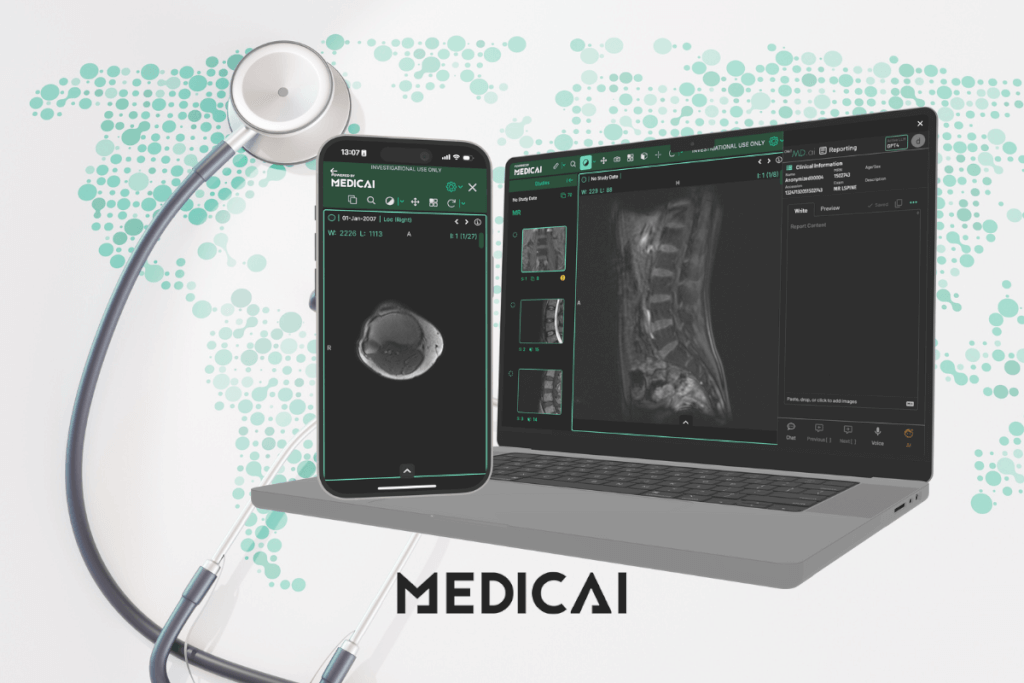
DICOM Web Viewer: Smarter Imaging Anywhere Imagine opening a CT scan or MRI directly in your browser—no installations, no delays, just instant access wherever you are. That’s the power of a DICOM web viewer, today’s medical imaging. A DICOM web viewer is a browser-based tool that...

How Large Language Models Transform Radiology Today
How Large Language Models Transform Radiology Today Radiology has always been shaped by technology, from X-ray film to cloud PACS. And now, a new force is reshaping the field: large language models (LLMs). In simple terms, LLMs are advanced AI systems that understand and generate text. In...

From Desktop to Mobile: The Rise of Mobile DICOM Viewers on Phones
From Desktop to Mobile: The Rise of Mobile DICOM Viewers on Phones Ever wished you could carry medical imaging right in your pocket? A mobile DICOM viewer makes this possible. Mobile DICOM viewer apps and cloud platforms let you open CT, MRI, ultrasound, and other medical images securely on your smartphone or...

AI in Radiology: Building Trust in Reporting
AI in Radiology: Building Trust in Reporting AI-generated reports are reshaping radiology, but the real question isn’t whether AI can work. it’s can radiologists trust it? Building trust in AI-generated radiology reports means more than accuracy. AI in radiology requires transparency, explainability, and seamless integration into workflows,...

How Pediatric Teleradiology Transforms Children’s Healthcare

How Pediatric Teleradiology Transforms Children’s Healthcare Every child deserves the right diagnosis at the right time. However, pediatric radiologists are scarce, leading to long waits or journeys for families seeking expert care. Pediatric teleradiology changes that story. Pediatric teleradiology connects hospitals and clinics with remote pediatric...

Why Urgent Care Needs Teleradiology PACS Systems
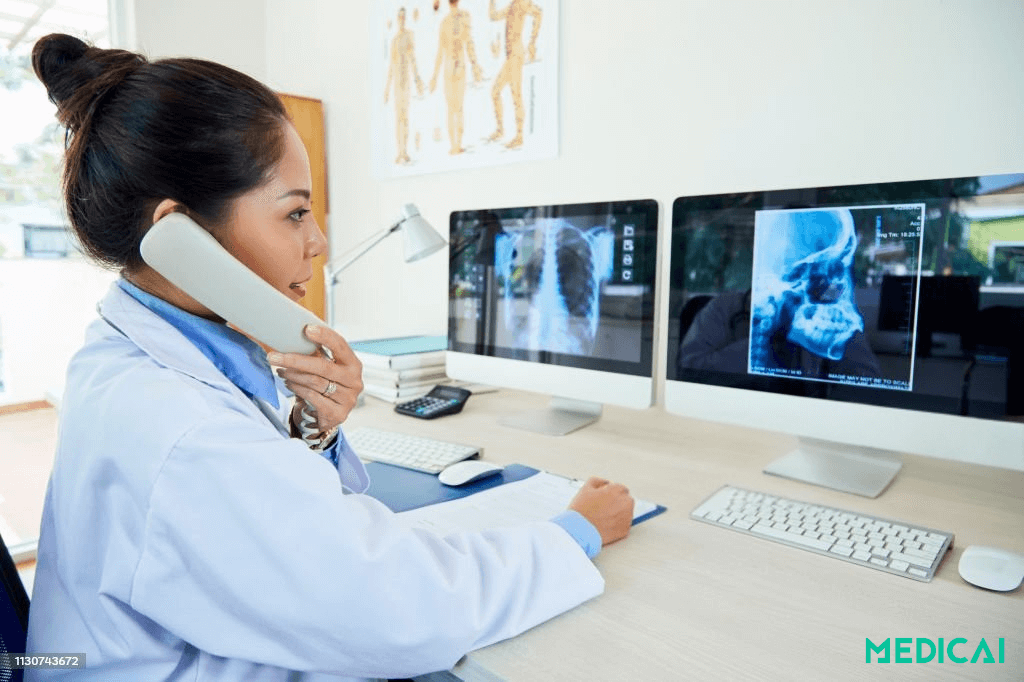
Why Urgent Care Needs Teleradiology PACS Systems When patients walk into urgent care, they need answers fast. Yet imaging often becomes a bottleneck, especially when radiologists aren’t on site. That’s where technology changes the game. A teleradiology PACS system for urgent care gives clinics the ability to...

From Manual to AI: The Future of Cardiac MRI Segmentation
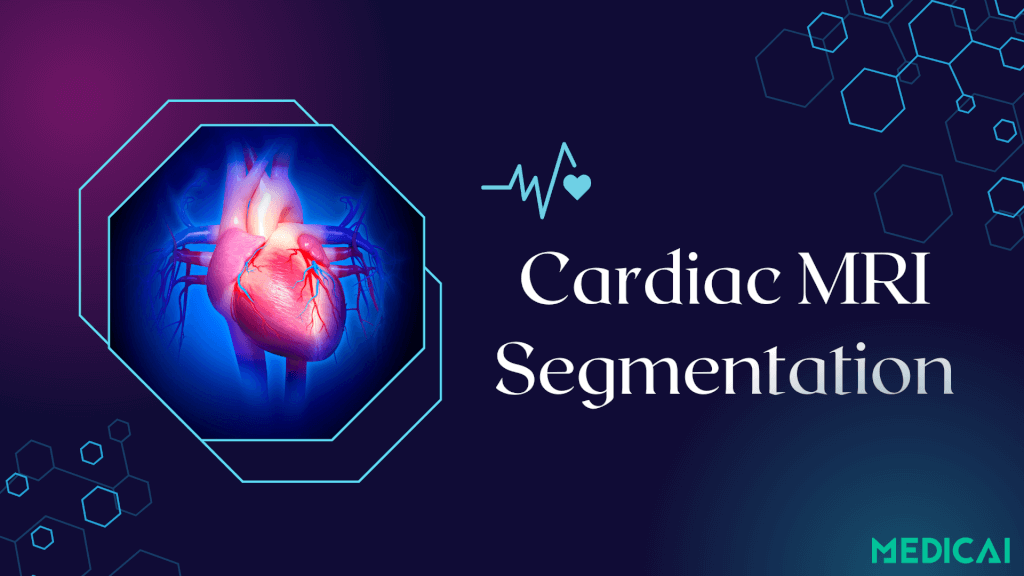
From Manual to AI: The Future of Cardiac MRI Segmentation What if a heart scan could reveal life-saving details in the time it takes to sip your coffee? That’s the promise of modern cardiac MRI segmentation. Cardiac MRI segmentation is the process of dividing scans into the left ventricle, right...

Voice‑Enabled Radiology: From Dictation to Contextual Command
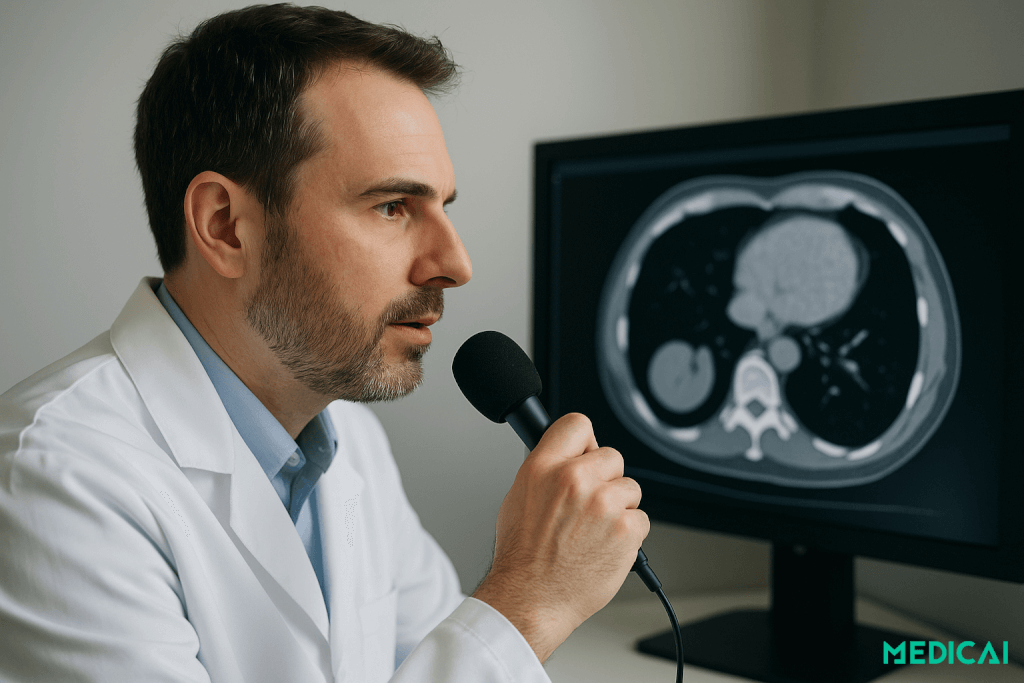
Voice‑Enabled Radiology: From Dictation to Contextual Command What if your radiology workstation could not only listen, but also understand? This is the promise of voice-enabled radiology. Voice-enabled radiology is the evolution from traditional dictation to AI-powered contextual commands. Instead of only transcribing words, modern systems understand intent....

Why Structured Annotations Are the Future of Oncologic Reporting?
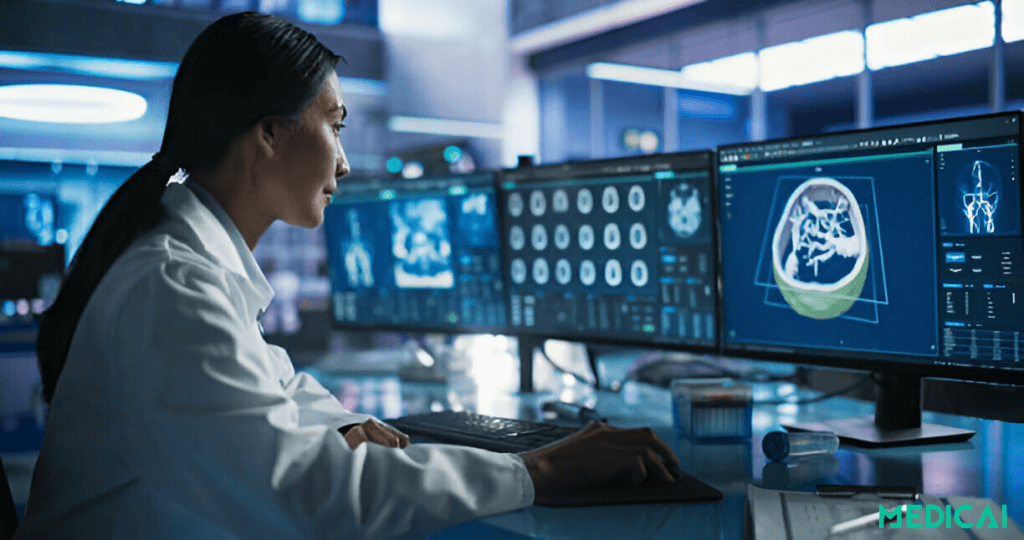
Why Structured Annotations Are the Future of Oncologic Reporting? Cancer imaging is evolving fast, and so are the expectations. Clinicians need instant clarity, patients deserve precision, and radiologists face growing pressure to deliver both. Structured annotations in oncologic reporting embed standardized data onto PACS images, creating faster, clearer reports...

PACS for Urgent Care: Setup, Integrations, Best Practices
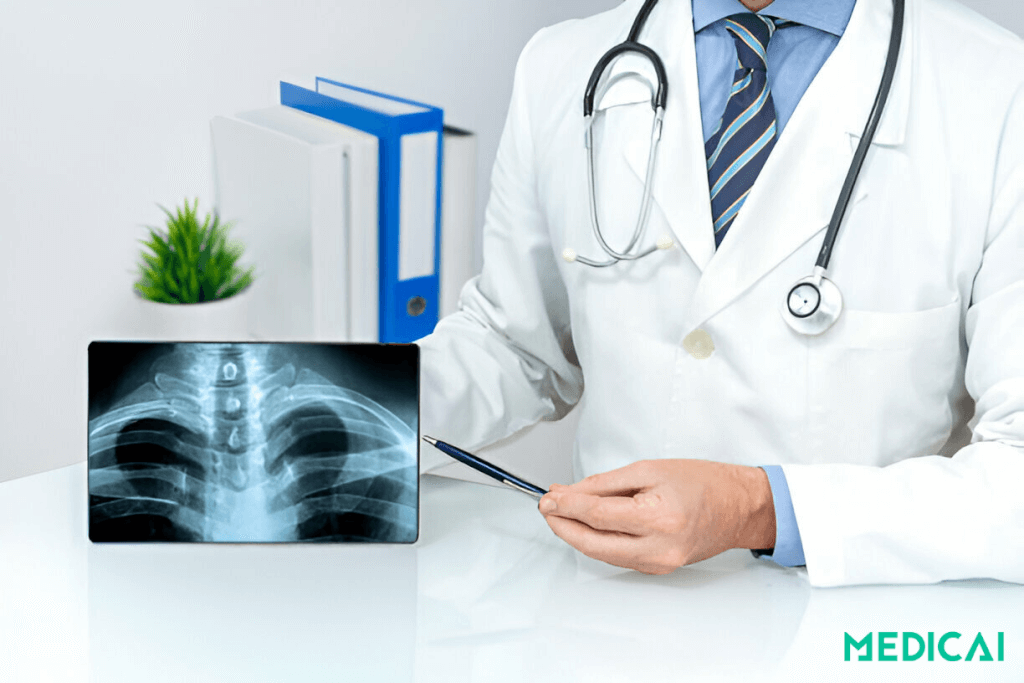
PACS for Urgent Care: Setup, Integrations, Best Practices In urgent care, every minute matters. Patients want answers now, not after a CD burns or a courier arrives. That’s where PACS comes in. A modern Picture Archiving and Communication System puts every X-ray, CT, and ultrasound in one secure...

PACS Integration for Modern Veterinary Practices
PACS Integration for Modern Veterinary Practices Tired of chasing down images, repeating data entry, or flipping between systems just to finalize a patient report? Well, here’s a better way to handle your work: Vet PACS integration. Vet PACS integration brings all your critical tools together: imaging,...

Retrieval-Augmented Generation: The Missing Link Between AI and Radiology Accuracy
Retrieval-Augmented Generation: The Missing Link Between AI and Radiology Accuracy As radiologists face mounting caseloads and increasing demand for rapid diagnostic decisions, large language models (LLMs) have emerged as promising allies. Yet, conventional LLMs suffer from limitations that constrain their reliability: hallucinations, outdated information, and a lack of source transparency....

1.5T vs 3T MRI: Which Scanner Fits Your Clinical Needs?
1.5T vs 3T MRI: Which Scanner Fits Your Clinical Needs? Ever wondered why some clinics stick with 1.5T magnets while others upgrade to 3T? 1.5T scanners deliver reliable, implant-safe imaging and predictable scheduling, while 3T systems provide up to double the signal–to–noise ratio for finer detail and faster scans. The...

How to Convert DICOM to JPEG in Minutes
How to Convert DICOM to JPEG in Minutes Fastest way to convert DICOM to JPEG or JPG The DICOM to JPEG process extracts and window-levels the raw pixel data, then compresses it into a standard JPEG file. This process preserves key diagnostic details while making images instantly viewable...

Contrast MRI: From Prep to Image Clarity
Contrast MRI: From Prep to Image Clarity What if your MRI scan could reveal hidden tumors or tiny vessel leaks in stunning detail? Contrast MRI acts like a spotlight, bringing unseen abnormalities into clear view. MRI with contrast uses intravenous gadolinium chelates to shorten T1 relaxation, making...