How data-driven healthcare is shaping research into molecules like NMN

The healthcare industry is undergoing a major transformation driven by data, artificial intelligence, and advanced medical technologies. What was once a system focused primarily on diagnosis and treatment is evolving into a connected ecosystem where imaging, clinical data, and molecular research intersect.
This shift is enabling researchers and clinicians to explore biological processes in more detail, including how specific molecules are studied within broader healthcare and research environments.
The rise of data-driven healthcare
Modern healthcare systems generate vast amounts of data. Medical imaging, electronic health records, laboratory results, and clinical studies all contribute to an increasingly complex data landscape.
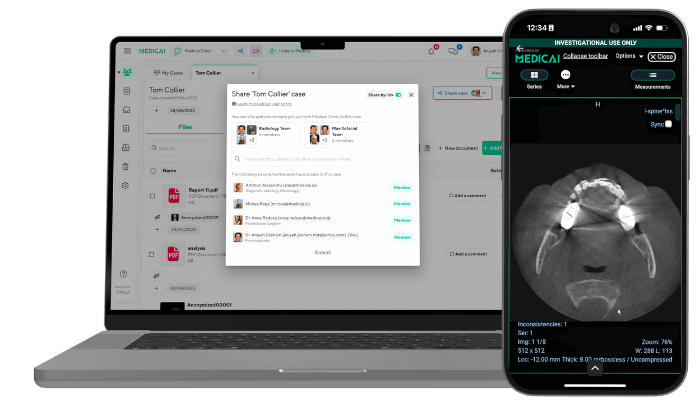
Platforms that integrate and analyze this information are becoming essential in both clinical and research settings. By combining imaging data with other datasets, healthcare professionals can identify patterns, improve workflows, and support more informed decision-making.
This data-driven approach is also expanding the scope of research beyond traditional clinical boundaries.
From clinical imaging to molecular research
Medical imaging technologies such as MRI and CT scans are no longer used solely for diagnostics. When integrated with structured datasets, imaging becomes part of a larger research framework that includes laboratory findings and molecular data.
This integration allows researchers to connect visual information with biochemical processes. As a result, molecules involved in areas such as cellular metabolism and aging research are increasingly included in multidisciplinary datasets.
One example is NMN (nicotinamide mononucleotide), a molecule that is frequently studied in scientific contexts related to cellular processes and metabolic pathways. In modern research environments, NMN is not examined in isolation but as part of complex biological systems supported by data analysis.
The role of platforms in connecting research domains
Healthcare data platforms play a crucial role in bridging different areas of research. By enabling secure storage, sharing, and analysis of imaging and clinical data, these systems support collaboration across institutions and disciplines.
This is particularly relevant in fields where multiple types of data need to be combined, such as imaging, genomics, and metabolic research. The ability to connect these domains allows for more comprehensive insights and scalable research models.
Accessibility of information in a digital ecosystem
As healthcare technology advances, access to scientific and technical information is becoming more widely available. Digital platforms now serve as a bridge between complex research environments and broader audiences.
This includes areas where scientific research overlaps with publicly accessible information. Molecules such as NMN, which appear in academic and clinical discussions, are also represented in consumer-facing contexts.
For those exploring how NMN is positioned outside of research environments, there are websites with possibilities to buy NMN for individuals. More information about related compounds and formulations can be found on Purovitals.
The future of integrated healthcare research
The convergence of artificial intelligence, imaging technologies, and molecular data is expected to further expand the capabilities of healthcare research. As systems become more interconnected, researchers will be able to combine clinical, visual, and biochemical data with greater precision.
This integrated approach supports a more comprehensive understanding of biological systems and allows for new research directions that were previously difficult to explore.
Conclusion
Data-driven healthcare is redefining how research is conducted across clinical and scientific domains. By connecting imaging, patient data, and molecular research, modern medtech platforms enable deeper insights into complex biological processes.
Molecules such as NMN illustrate how research is increasingly positioned within broader data ecosystems, where technology plays a central role in advancing understanding.

Related Articles



Lets get in touch!
Learn more about how Medicai can help you strengthen your practice and improve your patients’ experience. Ready to start your Journey?
Book A Free Demo