Medical Imaging Technology
The Medical Imaging Technology category highlights the latest advancements and innovations in medical imaging. This section covers topics such as the development of new imaging techniques, improvements in diagnostic accuracy, and the integration of technologies like artificial intelligence and cloud-based solutions. Articles explore how these innovations are transforming the way healthcare professionals capture, analyze, and utilize imaging data to improve patient care and streamline medical workflows.
132 posts
Read MoreOrthopedic Imaging: Modalities, Clinical Use Cases, and Surgical Workflow
Orthopedic Imaging: Modalities, Clinical Use Cases, and Surgical Workflow Orthopedic imaging is the application of medical imaging to the diagnosis, surgical planning, and postoperative assessment of musculoskeletal conditions, including bone fractures, joint disorders, soft-tissue injuries, spinal conditions, and degenerative changes. The clinical scope spans five primary imaging modalities (plain-film...

Read MoreRadiology Dictation Software, Voice Recognition, and Worklist Management: How the Reading Workflow Works in 2026

Radiology Dictation Software, Voice Recognition, and Worklist Management: How the Reading Workflow Works in 2026 Radiology dictation software, voice recognition, and worklist management are three connected components of the radiologist’s daily reading workflow. Worklist management determines which studies the radiologist reads next and in what order. Voice recognition translates the radiologist’s dictation into structured text....

Read MoreMedical Image Sharing Platforms: How to Evaluate and Choose the Right One
Medical Image Sharing Platforms: How to Evaluate and Choose the Right One A medical image sharing platform is software that allows healthcare organizations, providers, and patients to securely transmit, receive, and view radiological studies, primarily DICOM imaging from CT, MRI, ultrasound, mammography, and X-ray, across organizational boundaries. The clinical purpose is to...

Read MoreAI in Mammography: How It Works, FDA-Cleared Tools, and What Imaging Centers Need to Deploy It
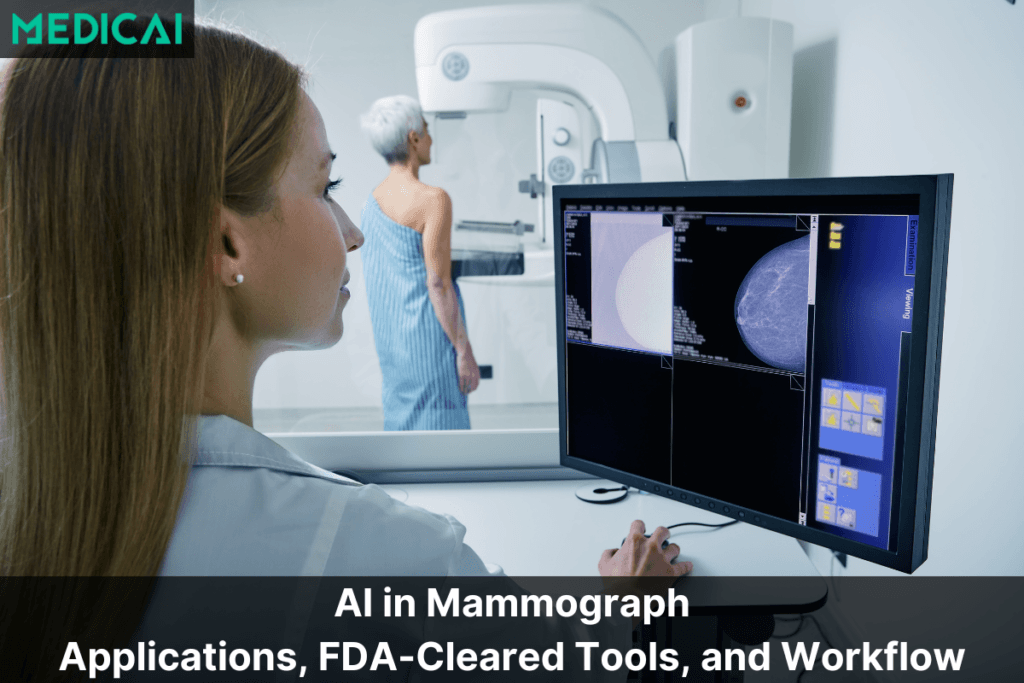
AI in Mammography: How It Works, FDA-Cleared Tools, and What Imaging Centers Need to Deploy It Artificial intelligence in mammography is the application of machine learning algorithms, primarily deep neural networks trained on large annotated mammographic image datasets, to assist with detecting breast cancer, assessing breast cancer risk, quantifying breast density, triaging screening worklists, and structuring...

Read MoreMRI Comparisons: Different Types of MRI, Machines, Procedures, and Imaging Alternatives
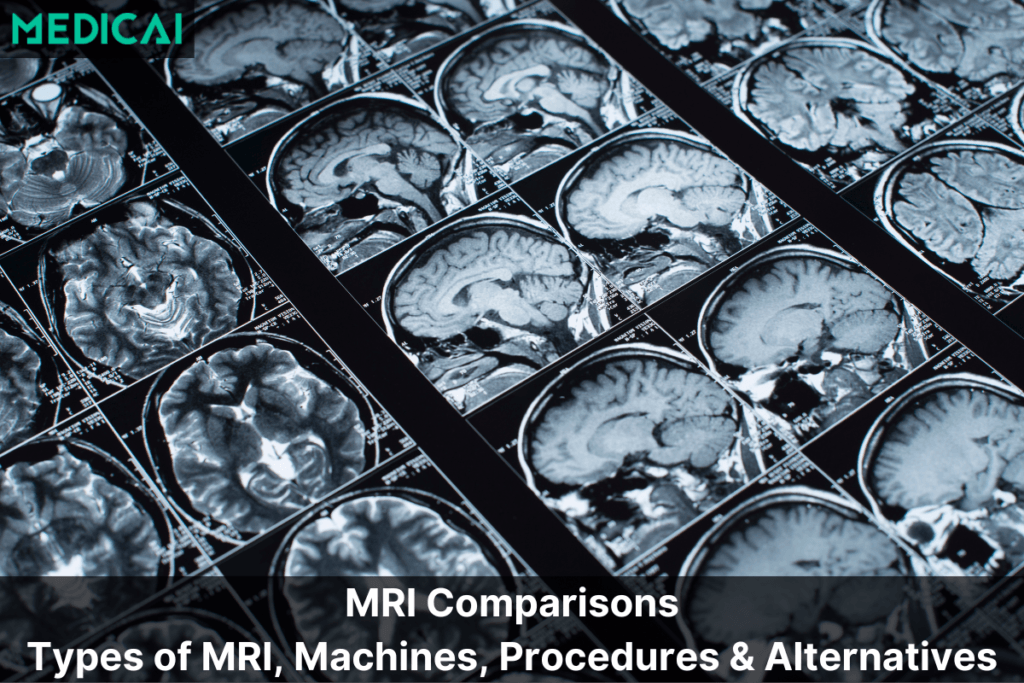
MRI Comparisons: Different Types of MRI, Machines, Procedures, and Imaging Alternatives Different types of MRI scans, machines, and procedures fit different clinical situations. Choosing the right MRI option, or deciding whether an MRI is the right scan at all, depends on what the doctor is looking for, the part of the...

Read MoreRadiology Hanging Protocols: What They Are, How They Work, and How to Configure Them for Your Workflow
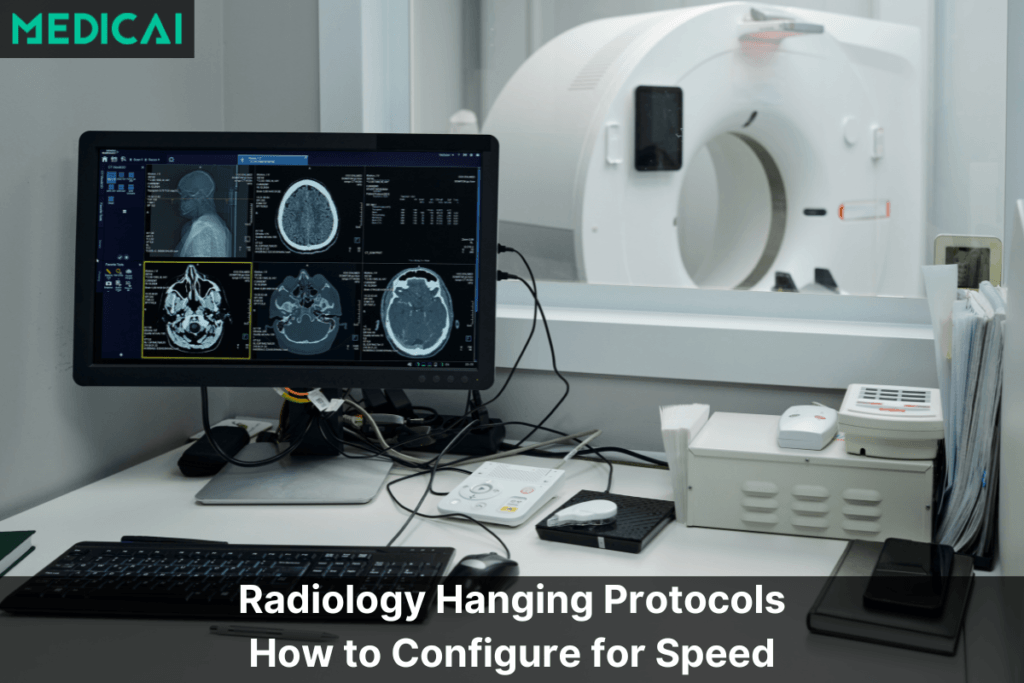
Radiology Hanging Protocols: What They Are, How They Work, and How to Configure Them for Your Workflow Every second a radiologist spends on a task that is not interpretation is a second that reduces the practice’s diagnostic output without improving its diagnostic quality. In a high-volume reading environment — 80 to 120 studies per shift in a...

Read MorePatient Guide to MRI, MRA, and EEG: When Each Test Is Used
Patient Guide to MRI, MRA, and EEG: When Each Test Is Used Your doctor has ordered an imaging test — or perhaps you are trying to understand the difference between tests you have heard about — and you want to know in plain language what each one does, when it is used,...

Read MoreVendor Neutral Archive Benefits: What VNA Delivers vs What Vendors Claim
Vendor Neutral Archive Benefits: What VNA Delivers vs What Vendors Claim The case for a vendor neutral archive is made the same way by every vendor that sells one. Eliminate vendor lock-in. Reduce storage costs. Enable cross-department access. Integrate images into the EHR. Prepare your archive for AI. All of these...

Read MoreHospital Information System (HIS): Why It Is the Centre of Every PACS Workflow
Hospital Information System (HIS): Why It Is the Centre of Every PACS Workflow Every radiology order that reaches your PACS starts in your Hospital Information System. Every patient identity mismatch that breaks your PACS workflow traces back to a data problem in your HIS. Understanding HIS is not optional knowledge for imaging informatics...

Read MoreMammography Workflow for Women Under 50: What 11-Year Clinical Data Means for PACS and Diagnostic Imaging
Mammography Workflow for Women Under 50: What 11-Year Clinical Data Means for PACS and Diagnostic Imaging The landscape of breast cancer detection is shifting. While much of the public health focus remains on women over 50, recent data suggests that younger women represent a substantial and consistently high-risk portion of the patient population. For MedTech providers...

Read MoreWhy Imaging Infrastructure Matters for AI Generalization in Radiology
Why Imaging Infrastructure Matters for AI Generalization in Radiology Artificial intelligence has shown impressive results in radiology research settings. From mammography to CT and MRI, AI models often achieve high accuracy when evaluated on curated datasets. Yet once deployed in real clinical environments, many of these same models struggle...

Read MoreDoes AI Really Deliver Economic Value in Radiology? What the Evidence Says
Does AI Really Deliver Economic Value in Radiology? What the Evidence Says Economic value from radiology AI is not guaranteed. A January 2026 systematic review found that only 21 studies out of 1,879 screened records (about 1%) actually quantified economic outcomes, and the results depended on task complexity, examination volume, and the...