Cloud PACS

85 posts
Read MoreDICOM Viewer for Mac: Free Browser-Based Options (No Install Needed)dicom viewer mac DICOM Viewer for Mac: Free Browser-Based Options (No Install Needed) A DICOM viewer for Mac is software that opens and displays medical imaging files (the .dcm files produced by CT, MRI, X-ray, ultrasound, and other imaging modalities) on macOS. Mac users have historically had fewer options than Windows users because... By Mircea Popa Jul 20, 2026
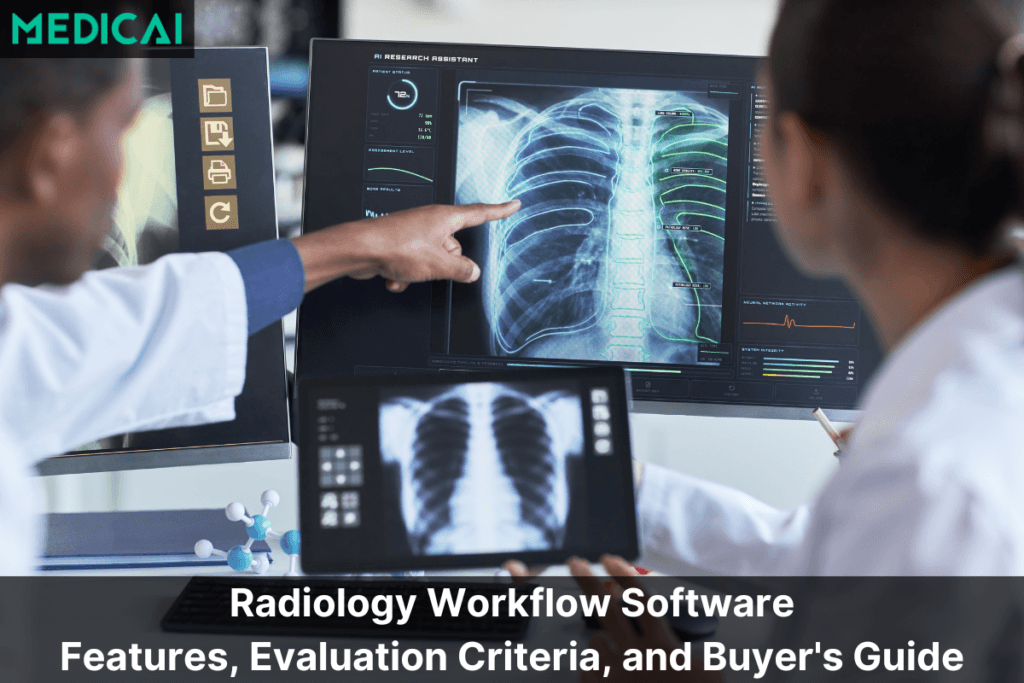
Read MoreRadiology Workflow Software: Features, Evaluation Criteria, and Buyer's Guideradiology workflow software Radiology Workflow Software: Features, Evaluation Criteria, and Buyer's Guide Radiology workflow software is a category of medical imaging IT products that orchestrates the movement of imaging studies through the reading workflow, from order intake and worklist prioritization to image display, interpretation, structured reporting, and report delivery. Where the underlying... By Andrei Blaj Jul 17, 2026
Read MoreOrthopedic Imaging: Modalities, Clinical Use Cases, and Surgical Workfloworthopedic imaging Orthopedic Imaging: Modalities, Clinical Use Cases, and Surgical Workflow Orthopedic imaging is the application of medical imaging to the diagnosis, surgical planning, and postoperative assessment of musculoskeletal conditions, including bone fractures, joint disorders, soft-tissue injuries, spinal conditions, and degenerative changes. The clinical scope spans five primary imaging modalities (plain-film... By Mircea Popa Jun 29, 2026
Read MoreOphthalmology PACS: Cloud Imaging Software for OCT, Fundus, and Retinal WorkflowsOphthalmology PACS Ophthalmology PACS: Cloud Imaging Software for OCT, Fundus, and Retinal Workflows Ophthalmology PACS is the imaging IT platform that captures, stores, retrieves, and shares the diagnostic images ophthalmology practices generate — optical coherence tomography (OCT) volumes, fundus photographs, slit lamp images, anterior segment photography, and retinal angiography. The software replaces the... By Mircea Popa Jun 22, 2026
Read MoreAfter-Hours Teleradiology Coverage: How the Nighthawk Model WorksAfter-Hours Teleradiology Coverage After-Hours Teleradiology Coverage: How the Nighthawk Model Works After-hours teleradiology coverage is the operational model in which a healthcare facility contracts with a remote radiology group to read imaging studies acquired outside normal business hours — overnight, weekends, and holidays. The dominant pattern, often called the “nighthawk” model... By Andrei Blaj Jun 19, 2026
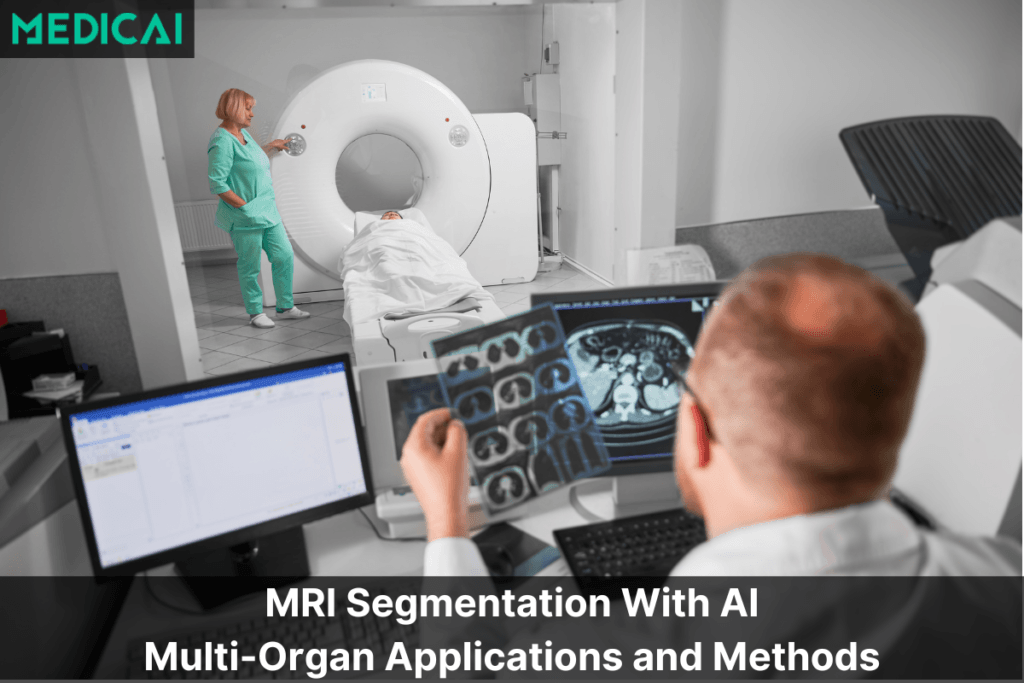
Read MoreMRI Segmentation With AI: Multi-Organ Applications and Methodsmri segmentation with ai MRI Segmentation With AI: Multi-Organ Applications and Methods MRI segmentation with AI converts raw magnetic resonance imaging data into labeled maps of anatomy and pathology that clinicians and researchers can measure, monitor, and analyze quantitatively. The underlying technology is consistent across all clinical contexts: deep learning models, primarily... By Andrei Blaj Jun 1, 2026
Read MoreHow Much Does Cloud PACS Cost? A Total Cost of Ownership Framework for Radiology Practicescloud pacs cost How Much Does Cloud PACS Cost? A Total Cost of Ownership Framework for Radiology Practices Most PACS pricing conversations start and end in the wrong place. A vendor quotes a monthly subscription fee. A competitor quotes a lower one. The practice administrator compares the two numbers and calls it a cost comparison. What that comparison... By Andrei Blaj May 4, 2026

Read MoreRadiology Hanging Protocols: What They Are, How They Work, and How to Configure Them for Your Workflowradiology hanging protocols Radiology Hanging Protocols: What They Are, How They Work, and How to Configure Them for Your Workflow Every second a radiologist spends on a task that is not interpretation is a second that reduces the practice’s diagnostic output without improving its diagnostic quality. In a high-volume reading environment — 80 to 120 studies per shift in a... By Mircea Popa Apr 27, 2026
Read MoreVendor Neutral Archive Benefits: What VNA Delivers vs What Vendors Claimvendor neutral archive benefits Vendor Neutral Archive Benefits: What VNA Delivers vs What Vendors Claim The case for a vendor neutral archive is made the same way by every vendor that sells one. Eliminate vendor lock-in. Reduce storage costs. Enable cross-department access. Integrate images into the EHR. Prepare your archive for AI. All of these... By Alexandru Artimon Apr 13, 2026
Read MoreEnterprise Imaging Architecture: How PACS, VNA, RIS, and EHR Fit Togetherdoctors using enterprise imaging architecture to examine mri images Enterprise Imaging Architecture: How PACS, VNA, RIS, and EHR Fit Together Enterprise imaging architecture is the technical framework that defines how all imaging systems in a healthcare organization — PACS, VNA, RIS, EHR, modalities, and AI tools — connect, exchange data, and maintain a single patient imaging record across departments, facilities,... By Alexandru Artimon Apr 9, 2026
Read MoreMigrating to Cloud PACS: A Practical Playbook for Imaging Centers and Radiology Practicescloud pacs advantages Migrating to Cloud PACS: A Practical Playbook for Imaging Centers and Radiology Practices Migrating to cloud PACS is the process of moving an on-premise picture archiving and communication system — including image archive, viewer infrastructure, and integration points — into a cloud-hosted environment. Migration planning has three parts: baseline measurement of current imaging... By Mircea Popa Mar 25, 2026
Read MorePACS vs MIMPS: What changed, and what should you call the systemPACS vs MIMPS: What changed, and what should you call the system PACS vs MIMPS: What changed, and what should you call the system PACS vs MIMPS is mostly a naming and scope update; the FDA now uses MIMPS as the regulatory name for software systems that manage and process medical images for clinical interpretation. PACS is the legacy term most hospitals still use.... By Mircea Popa Mar 23, 2026