Teleradiology and Telemedicine
The Teleradiology and Telemedicine category explores the growing role of remote healthcare solutions in modern medicine. This section highlights the advancements in technology that allow for remote diagnostics, consultations, and patient care, particularly in radiology. Articles discuss the benefits of these innovations, such as increased accessibility, reduced wait times, and enhanced collaboration among healthcare professionals. Additionally, the category covers the challenges and opportunities of integrating telemedicine into existing healthcare systems, as well as its impact on patient outcomes and healthcare delivery.
53 posts
Read More5 Top Teleradiology Companies in the US Compared
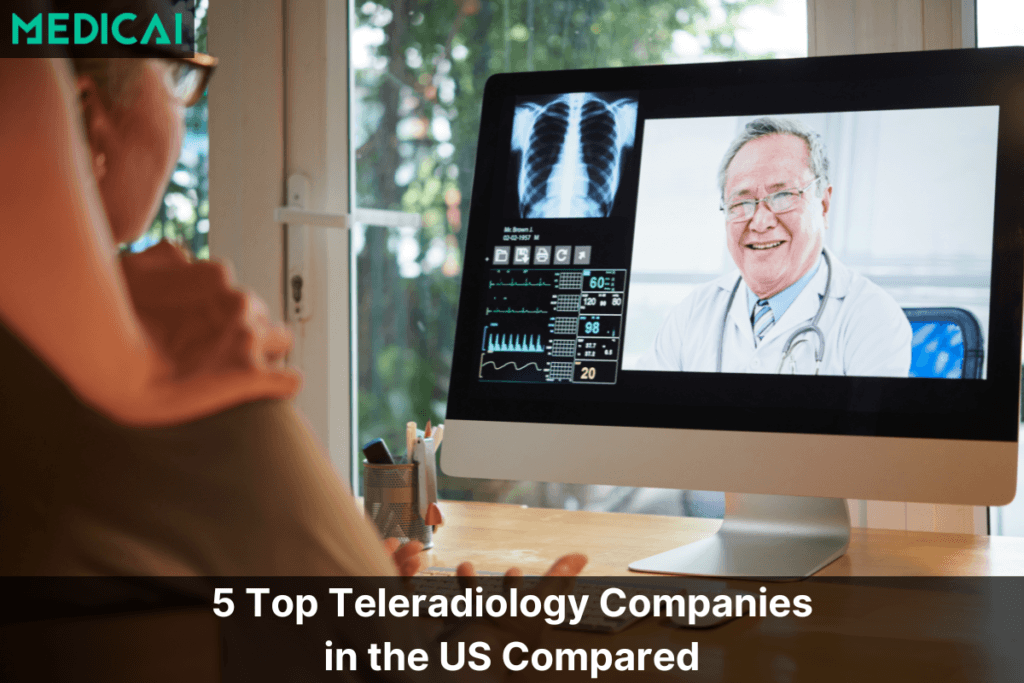
5 Top Teleradiology Companies in the US Compared Teleradiology companies are firms that read medical imaging studies remotely on behalf of hospitals, imaging centers, and radiology groups that need coverage they cannot staff on-site. When a hospital has no radiologist available at 2 a.m., or an imaging center...

Read MoreAfter-Hours Teleradiology Coverage: How the Nighthawk Model Works

After-Hours Teleradiology Coverage: How the Nighthawk Model Works After-hours teleradiology coverage is the operational model in which a healthcare facility contracts with a remote radiology group to read imaging studies acquired outside normal business hours — overnight, weekends, and holidays. The dominant pattern, often called the “nighthawk” model...

Read MoreTeleradiology Services: Cost, Workflow, and What to Look for in a Provider

Teleradiology Services: Cost, Workflow, and What to Look for in a Provider Teleradiology services are remote radiological interpretation offerings provided by radiology groups, hospital networks, and dedicated teleradiology companies to healthcare facilities that lack on-site radiologist coverage during specific hours, in specific subspecialties, or at specific volumes. The service includes the radiologist’s...

Read MoreRadiography vs Radiology: Understanding the Difference in Modern Medical Imaging
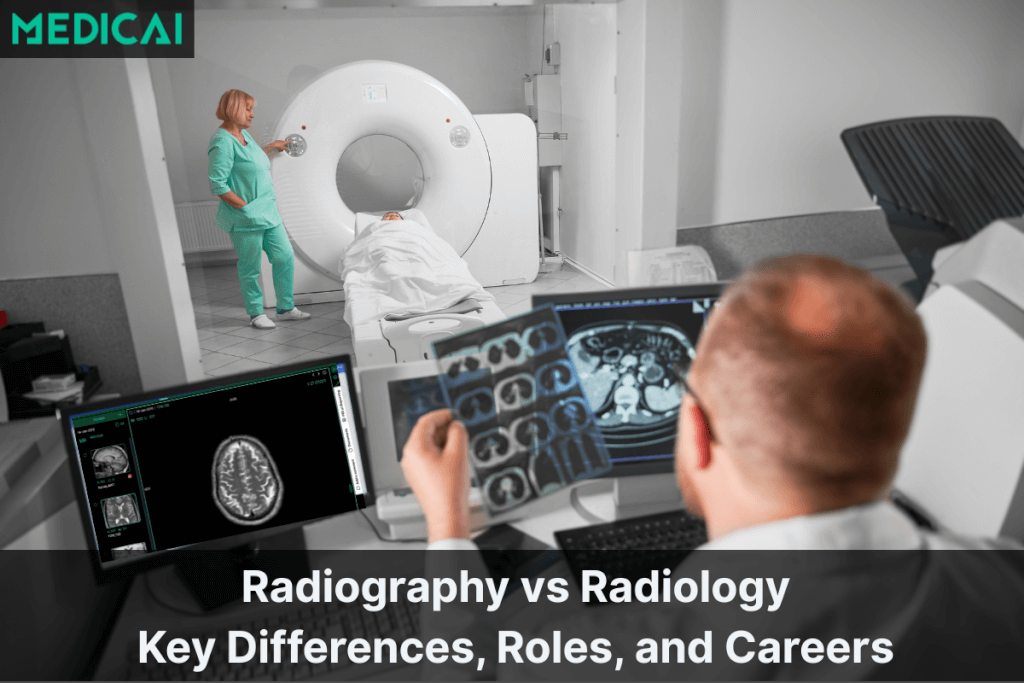
Radiography vs Radiology: Understanding the Difference in Modern Medical Imaging Medical imaging is changing faster than ever — from AI-powered diagnosis to global teleradiology collaboration. But at the foundation of every imaging scan and report are two critical healthcare professionals: radiographers and radiologists. Although their work overlaps, radiography and radiology...

Read MoreMedical Image Sharing: How It Works, Standards, Use Cases, and HIPAA Requirements
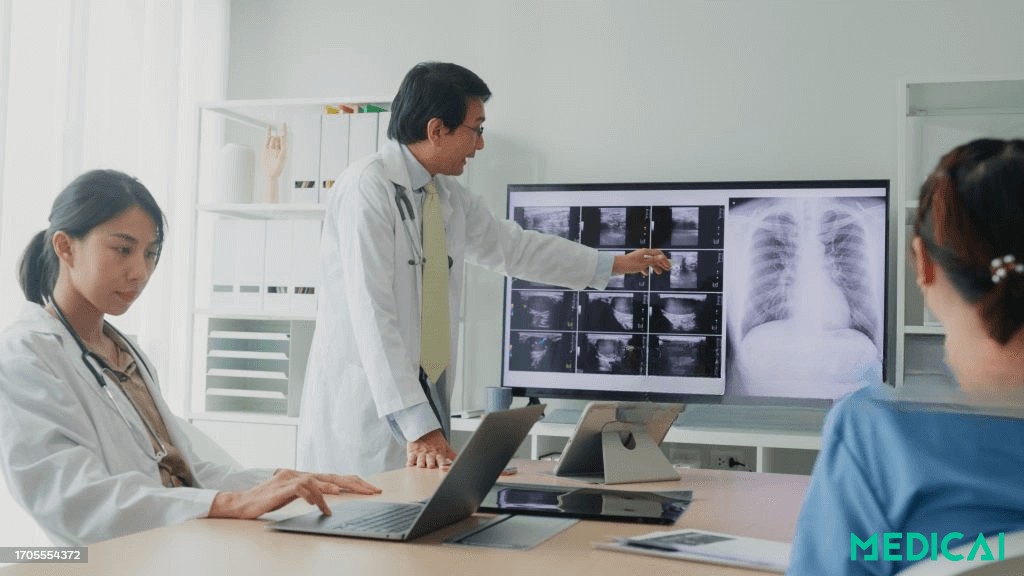
Medical Image Sharing: How It Works, Standards, Use Cases, and HIPAA Requirements Medical image sharing is the process of securely transmitting medical imaging studies (CT scans, MRI scans, X-rays, ultrasound, and other diagnostic images) between healthcare organizations, providers, and patients across different systems and geographies. The imaging studies typically travel in DICOM...

Read MoreVNA in Radiology: How Vendor-Neutral Archives Fit Into the Radiology Workflow
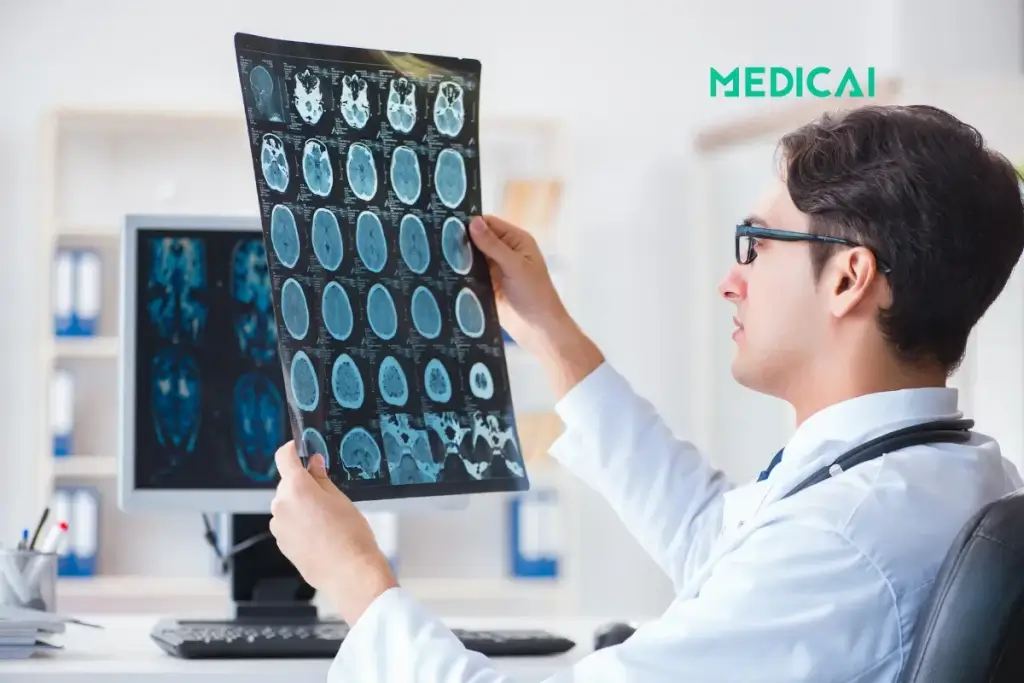
VNA in Radiology: How Vendor-Neutral Archives Fit Into the Radiology Workflow A vendor-neutral archive (VNA) in radiology is the long-term storage layer that sits beneath the PACS, storing radiology imaging studies in vendor-independent DICOM format so the images outlive any single PACS contract. In a radiology department, the VNA solves three...

Read MoreHow Large Language Models Transform Radiology Today
How Large Language Models Transform Radiology Today Radiology has always been shaped by technology, from X-ray film to cloud PACS. And now, a new force is reshaping the field: large language models (LLMs). In simple terms, LLMs are advanced AI systems that understand and generate text. In...

Read MoreHow Pediatric Teleradiology Transforms Children’s Healthcare

How Pediatric Teleradiology Transforms Children’s Healthcare Every child deserves the right diagnosis at the right time. However, pediatric radiologists are scarce, leading to long waits or journeys for families seeking expert care. Pediatric teleradiology changes that story. Pediatric teleradiology connects hospitals and clinics with remote pediatric...

Read MoreTeleradiology PACS for Urgent Care Clinics — Cloud Imaging, Remote Reads, and 24/7 Coverage
Teleradiology PACS for Urgent Care Clinics — Cloud Imaging, Remote Reads, and 24/7 Coverage When patients walk into urgent care, they need answers fast. Yet imaging often becomes a bottleneck, especially when radiologists aren’t on site. That’s where technology changes the game. A teleradiology PACS system for urgent care enables clinics to capture, store,...

Read MoreVoice‑Enabled Radiology: From Dictation to Contextual Command
Voice‑Enabled Radiology: From Dictation to Contextual Command What if your radiology workstation could not only listen, but also understand? This is the promise of voice-enabled radiology. Voice-enabled radiology is the evolution from traditional dictation to AI-powered contextual commands. Instead of only transcribing words, modern systems understand intent....

Read MoreInterventional Radiology: Safe, Fast & Effective Procedures
Interventional Radiology: Safe, Fast & Effective Procedures What if life-saving treatments no longer required large incisions, long hospital stays, or weeks of painful recovery? Interventional radiology (IR) is making that a reality. Interventional radiology (IR) is a medical specialty that uses image-guided, minimally invasive techniques to diagnose...

Read MoreRemote Radiology: How Radiologists Are Embracing Work-from-Home Models
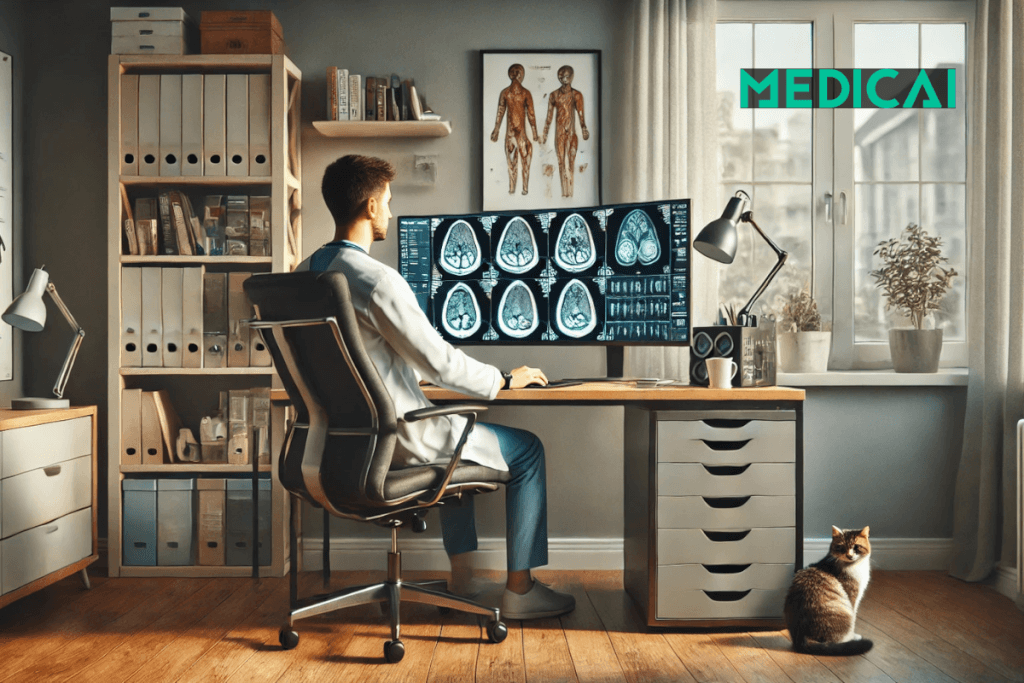
Remote Radiology: How Radiologists Are Embracing Work-from-Home Models Can radiologists work from home? Teleradiology allows radiologists to work from home and interpret X-rays, CT scans, MRIs, and other medical images remotely. Using secure PACS systems, cloud-based platforms, and AI-assisted diagnostics, remote radiologists can provide expert reports from anywhere....
