Healthcare Trends and Innovations
This category delves into the cutting-edge advancements and transformative shifts shaping the future of healthcare. This section spotlights emerging technologies, innovative treatment methods, and the evolving landscape of patient care. Articles cover topics such as artificial intelligence, telemedicine, personalized medicine, and the integration of digital health tools, offering insights into how these developments are revolutionizing the healthcare industry and improving patient outcomes.
148 posts
Read MoreMedical Image Sharing Platforms: How to Evaluate and Choose the Right One

Medical Image Sharing Platforms: How to Evaluate and Choose the Right One A medical image sharing platform is software that allows healthcare organizations, providers, and patients to securely transmit, receive, and view radiological studies, primarily DICOM imaging from CT, MRI, ultrasound, mammography, and X-ray, across organizational boundaries. The clinical purpose is to...

Read MorePatient Guide to MRI, MRA, and EEG: When Each Test Is Used
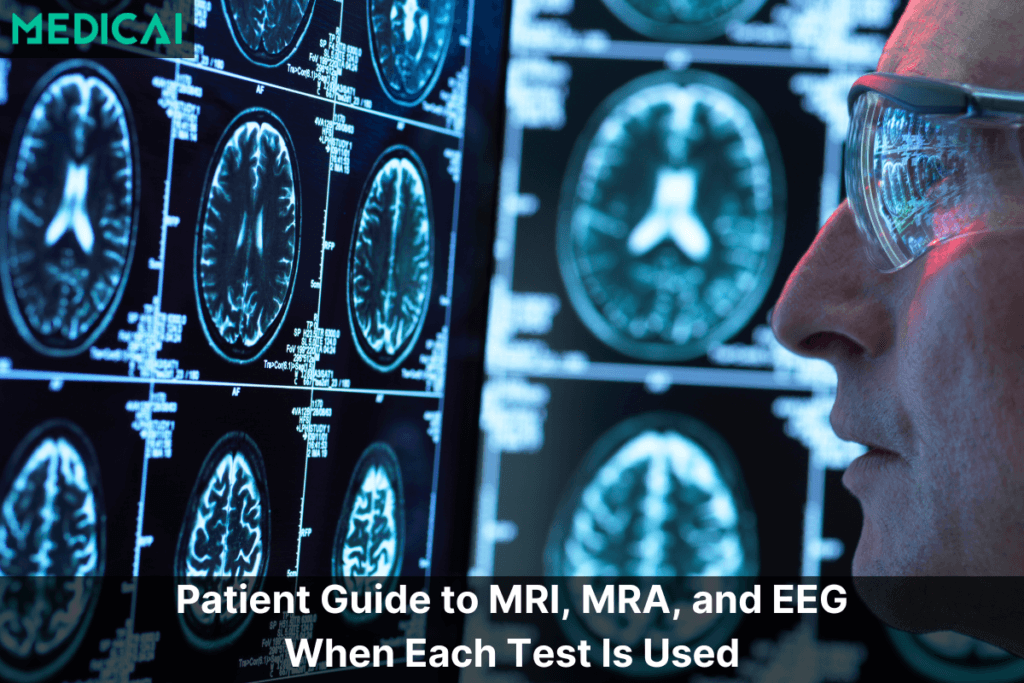
Patient Guide to MRI, MRA, and EEG: When Each Test Is Used Your doctor has ordered an imaging test — or perhaps you are trying to understand the difference between tests you have heard about — and you want to know in plain language what each one does, when it is used,...

Read MoreEHR vs EMR? Understanding the Key Differences and Impact

EHR vs EMR? Understanding the Key Differences and Impact EHR (Electronic Health Records) and EMR (Electronic Medical Records) may sound interchangeable—but they serve distinct purposes. While both store patient information electronically, EMRs are limited to a single practice, whereas EHRs allow data sharing across multiple providers. This key difference...

Read MoreVendor Neutral Archive Benefits: What VNA Delivers vs What Vendors Claim

Vendor Neutral Archive Benefits: What VNA Delivers vs What Vendors Claim The case for a vendor neutral archive is made the same way by every vendor that sells one. Eliminate vendor lock-in. Reduce storage costs. Enable cross-department access. Integrate images into the EHR. Prepare your archive for AI. All of these...

Read MoreEnterprise Imaging Architecture: How PACS, VNA, RIS, and EHR Fit Together

Enterprise Imaging Architecture: How PACS, VNA, RIS, and EHR Fit Together Enterprise imaging architecture is the technical framework that defines how all imaging systems in a healthcare organization — PACS, VNA, RIS, EHR, modalities, and AI tools — connect, exchange data, and maintain a single patient imaging record across departments, facilities,...

Read MoreWhat is DICOMweb? QIDO-RS, WADO-RS, and STOW-RS explained
What is DICOMweb? QIDO-RS, WADO-RS, and STOW-RS explained DICOMweb is DICOM’s web-native transport layer — a family of RESTful services defined in DICOM Part 18 that makes medical imaging data accessible over standard HTTP. DICOMweb does not replace the DICOM image format or the metadata model. It replaces...

Read MoreVendor Neutral Archive (VNA): Full Guide
Vendor Neutral Archive (VNA): Full Guide A Vendor Neutral Archive (VNA) is a medical imaging technology that stores clinical images and documents in a standard format (typically DICOM) and exposes them through standard interfaces, so any authorized system can access them regardless of which vendor or...

Read MoreRadiology Information System (RIS): Modules, Chain Position, KPIs, and How It Connects HIS and PACS
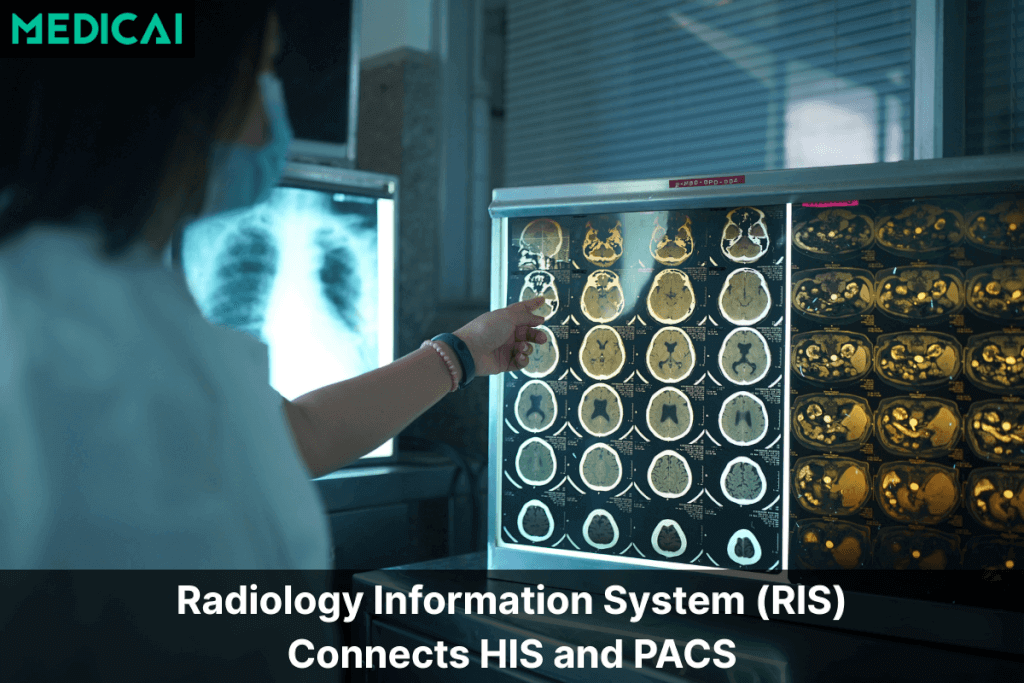
Radiology Information System (RIS): Modules, Chain Position, KPIs, and How It Connects HIS and PACS RIS is the administrative and operational nervous system of a radiology department. It manages every event in the patient’s radiology journey, excluding the image itself — the referral, scheduling, patient check-in, exam tracking, report distribution, billing, and department statistics. While...

Read MoreCardiology PACS Systems, Features, CVIS Integration, and Workflow Benefits

Cardiology PACS Systems, Features, CVIS Integration, and Workflow Benefits Cardiology PACS systems keep cardiovascular imaging usable, implied, not just stored. Cardiology PACS systems handle cine loops from echocardiography, angiography runs from catheterization, vascular ultrasound clips, and cardiac MRI series, and make priors easy to compare when the next follow-up...

Read MoreMammography Workflow for Women Under 50: What 11-Year Clinical Data Means for PACS and Diagnostic Imaging
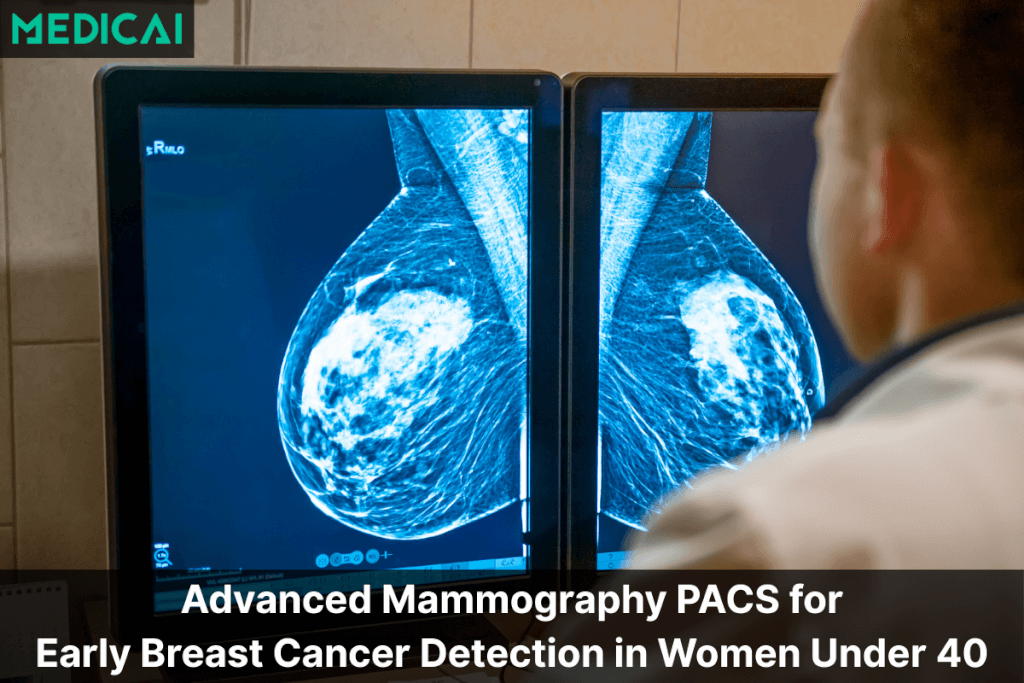
Mammography Workflow for Women Under 50: What 11-Year Clinical Data Means for PACS and Diagnostic Imaging The landscape of breast cancer detection is shifting. While much of the public health focus remains on women over 50, recent data suggests that younger women represent a substantial and consistently high-risk portion of the patient population. For MedTech providers...

Read MoreThe Economics of Speed: How Server-Side Rendering Reduces TAT and Boosts Revenue

The Economics of Speed: How Server-Side Rendering Reduces TAT and Boosts Revenue In the business of radiology, Time is Inventory. Every minute a radiologist spends waiting for a scan to load, toggling between windows, or struggling with a slow VPN connection is a minute of lost inventory. It is billable time that...

Read MoreThe Unified Worklist: How to Connect Disparate PACS Without Replacing Them
The Unified Worklist: How to Connect Disparate PACS Without Replacing Them If you walk into the reading room of a typical private radiology practice or a large hospital network today, you will see a chaotic scene. You will see a radiologist sitting at four monitors, using three keyboards, logging into five...