How Emerging Technologies Are Transforming Everyday Patient Care

Healthcare delivery has changed significantly in the past decade. Many clinics that once relied on paper charts now use digital systems that connect patient records, diagnostic tools, and communication platforms. These changes are not limited to large hospitals. Community clinics and outpatient practices are also adopting technology to manage information more efficiently and coordinate care more effectively.
Technology drives much of this progress. Artificial intelligence can analyze medical data quickly, and connected devices allow clinicians to monitor patients outside the clinic. Even with these advances, the human role remains essential. Healthcare professionals still interpret results, guide patient decisions, and provide reassurance during treatment. As clinics adopt more advanced systems, training programs for clinical staff now include instruction in electronic records and digital healthcare tools.
The Digital Backbone: Real-Time Data and the Evolution of Electronic Health Records
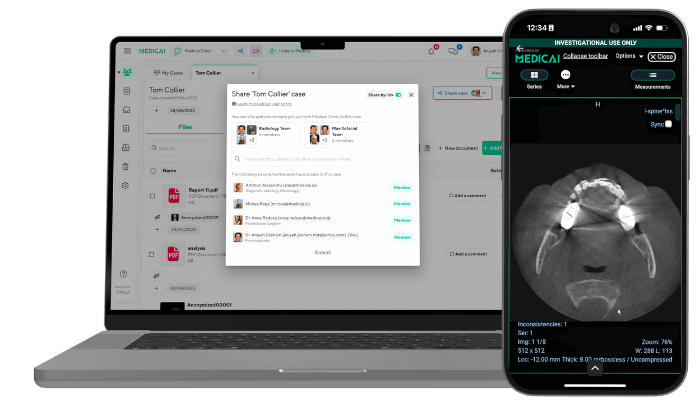
Electronic Health Records have become a core part of modern healthcare operations. These systems store a patient’s medical history, medications, lab results, and treatment notes in a single digital location. Healthcare providers can access this information within seconds during an appointment. Quick access helps doctors, nurses, and support staff access the same information simultaneously. This improves coordination across the care team and reduces the risk of missing important details.
Because of this shift, accurate digital documentation has become a daily responsibility in clinical settings. Support staff regularly enter patient information, update charts, and ensure records remain current throughout each visit. These tasks require more than basic administrative skills. Healthcare workers must understand how to navigate clinical software and manage digital patient data correctly. To meet this demand, schools for medical assistants now include coursework on electronic charting, patient data management, and digital scheduling systems. This training prepares students to work confidently in healthcare environments where technology supports nearly every step of patient care.
AI and Automation: Reducing Administrative Burden and Enhancing Diagnostics
Artificial intelligence is helping healthcare providers process large amounts of clinical information more quickly than traditional methods. AI systems can review imaging results, lab data, and patient histories to identify patterns that may signal health concerns. This allows clinicians to detect potential problems earlier and make more informed decisions during diagnosis and treatment planning.
Automation is also reducing the time spent on routine administrative work. Scheduling tools can automatically organize appointments based on patient needs and provider availability. Billing systems can verify insurance information and prepare documentation with minimal manual input. When these tasks require less attention, healthcare teams can focus more on patient interaction and clinical care, thereby improving efficiency and the overall patient experience.
Telehealth and Virtual Care: Expanding Access Beyond Clinic Walls
Telehealth has become an important part of everyday healthcare delivery. Video consultations and secure messaging platforms allow patients to speak with healthcare providers without traveling to a clinic. This is especially valuable for individuals who live far from healthcare facilities or have limited transportation options.
Virtual care also supports routine follow-up visits and chronic disease management. Patients can check in with their providers, review medications, and discuss symptoms through online platforms. Clinics benefit as well. Telehealth helps reduce waiting room congestion and allows providers to serve more patients throughout the day while maintaining consistent communication and continuity of care.
Wearable Technology and Remote Monitoring: Moving Toward Proactive Care
Wearable health devices are becoming common tools in everyday patient care. Devices such as smartwatches, fitness trackers, and specialized medical sensors can monitor heart rate, activity levels, sleep patterns, and other health indicators throughout the day. Many of these devices sync directly with healthcare platforms, allowing clinicians to review patient data without requiring frequent in-person visits.
This continuous flow of information helps providers identify potential health issues earlier. For patients with chronic conditions like hypertension or diabetes, remote monitoring allows care teams to track trends and intervene when readings move outside normal ranges. Instead of waiting for symptoms to worsen, providers can respond quickly and adjust treatment plans before small problems become serious complications.
The Rise of Personalized Medicine Through Big Data
Healthcare providers now have access to large datasets that combine medical histories, lifestyle information, and genetic data. When clinicians analyze these datasets, they gain a clearer picture of how individual patients respond to specific treatments. This approach allows doctors to design treatment plans better suited to each patient, rather than relying on generalized care models.
Genomic testing is one of the key drivers of personalized medicine. By examining a patient’s genetic profile, clinicians can identify which medications may work best or which treatments might cause side effects. These insights help improve treatment effectiveness and reduce unnecessary trial-and-error. Over time, personalized medicine can lead to more efficient care and improved long-term health outcomes.
The Human-Tech Bridge: Why Digital Skills Are Now Core Clinical Competencies
As healthcare technology advances, clinical teams must develop stronger digital skills. Medical software, remote monitoring systems, and telehealth platforms are now part of routine patient care. Healthcare professionals need to understand how these systems work so they can document patient information accurately and guide patients through digital processes.
Medical assistants often serve as the connection point between patients and clinical technology. They may help patients check in through digital kiosks, enter medical information into electronic records, or assist with remote monitoring equipment. Because they work closely with both clinicians and patients, their ability to navigate healthcare technology is important for keeping clinical workflows efficient.
What the Next-Generation Clinic Could Look Like by 2030
Healthcare environments are expected to become even more connected over the next decade. Clinics may use integrated platforms that link wearable devices, diagnostic equipment, and electronic health records into one system. This would allow healthcare providers to view a patient’s health data from multiple sources in real time and make faster clinical decisions.
Artificial intelligence could also support early risk detection. Predictive analytics systems may identify patterns in patient data that indicate future health risks before symptoms appear. At the same time, telehealth and remote monitoring will likely continue expanding. These tools will allow clinics to manage patient care both inside and outside traditional healthcare facilities.

Related Articles
Lets get in touch!
Learn more about how Medicai can help you strengthen your practice and improve your patients’ experience. Ready to start your Journey?
Book A Free Demo