Why Real-Time Medical Imaging Matters in Intensive Care Units

A hospital’s Intensive Care Unit (ICU) is among the most time-sensitive environments, especially since patients there have life-threatening conditions. In most cases, there is a serious injury, disease, or recovery from a major surgery involved.
As per a 2025 multicenter study, ICU mortality rates can be as high as 31% among critically ill patient populations. Given the fragile state of those admitted here, it’s natural that healthcare teams must be on their toes.
They must monitor patients continuously and make/alter decisions as soon as new information is available. The success of treatments like ventilator changes or emergency surgeries depends on lightning-fast decisions that use real-time patient data.
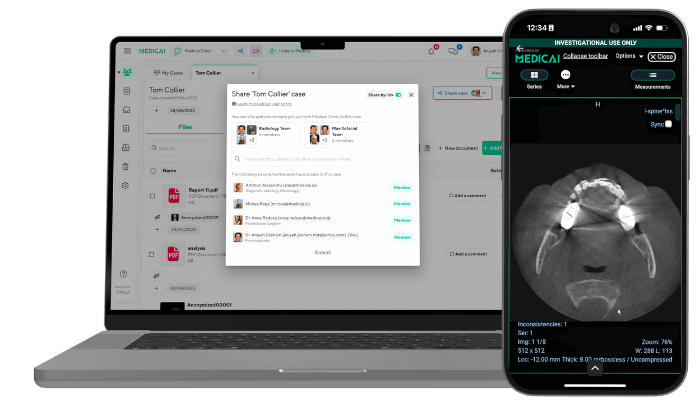
Now, one of the most important sources of this data is medical imaging technology, such as CT scans, X-rays, and MRIs. Unless real-time imaging data is accessible, intensive care decisions will be delayed.
This article will look at the importance of real-time medical imaging in ICUs in light of the consequences of delays.
Why Imaging Delays Are a Critical Problem in ICUs
The role of imaging in ICUs is to confirm whether a patient’s condition is stabilizing or getting worse. Even a moment’s delay in CT scan or ultrasound results can get in the way of timely decisions for surgery or neurological intervention.
Since this is critical care we are talking about, treatment plans are constantly modified based on new clinical information. The challenge gets even more complex in view of the fact that multiple care teams are involved.
This means radiologists, surgeons, respiratory specialists, and bedside nurses may all depend on the same imaging results. If scans get delayed or become difficult to access, care efficiency will be hampered.
Given the complexity involved, advanced critical roles have become important in ICUs. For example, Adult-Gerontology Acute Care Nurse Practitioners (AGACNPs) are trained to care for critically ill adult patients while supporting coordinated treatment planning.
With greater adoption of technology, Doctor of Nursing (DNP) programs are gaining prominence for their emphasis on clinical leadership and interdisciplinary collaboration. As a result, professionals who complete a DNP-AGACNP program may help support timely responses for critical patients.
As Baylor University notes, such professionals even serve as advocates for patients with complex acute or chronic illness, disability, or injury. In ICUs, this also means helping teams maintain efficiency when imaging delays threaten to interrupt communication between departments. Such delays can affect an intensive care unit in the following ways:
- Slower escalation of treatments in emergencies
- Delayed confirmation of complications or deterioration of a condition
- Increased workload pressure on care teams
- Communication gaps between the different departments
- Difficulty in responding to patient changes in real time
How ICU Teams Use Real-Time Imaging for Decision-Making
Healthcare providers do not treat medical imaging as something exclusive of patient management. Since it is a part of understanding how a patient’s condition has changed, let’s look at ways in which imaging is used for decision-making:
Quick Review of Scans at the Patient’s Bedside
As soon as CT scans and X-rays are available, they are reviewed to guide urgent decisions. Suppose a patient’s blood pressure drops suddenly or their oxygen levels are too low. A quick review of a chest X-ray could reveal fluid in the lungs or a collapsed lung.
Based on the review, the care team can adjust ventilator settings or some other relevant treatment. A 2025 ICU system research confirmed the importance of real-time data access in critical care settings. When patient data and monitoring tools were combined in real time, clinicians were able to quickly respond to changes in a patient’s condition.
Coordinated Discussion of Scan Results
With the real-time imaging results, ICU teams can come together for shared decision-making. Take the example of a trauma patient suspected of internal bleeding after an accident.
A CT scan can be reviewed immediately by the ICU physician, surgeon, and radiologist together. If the scan shows abdominal bleeding, the team can quickly decide whether the patient needs emergency surgery or interventional radiology.
In another 2025 report, healthcare providers showed their preference for real-time systems that bring together multiple sources of patient data in one place. Essentially, the potential of an AI-driven clinical decision support (CDS) system is recognized among clinicians for better patient outcomes.
Adjustments in Treatment Plans
In ICUs, real-time imaging results can directly change the course of treatment. If a patient is in this unit for severe pneumonia and their breathing suddenly gets worse, a chest X-ray may be done immediately. In case the scan shows fluid in the lungs, the care team may change the treatment plan by increasing ventilator support or changing medication.
In recent studies, at least the value of imaging results alongside other real-time data, like vital signs, is well-documented. With real-time integration of multiple data sources, ICU teams can reconsider severity and adjust treatment without delay.
Clinical Benefits of Faster Imaging Access
The purpose of faster imaging access in ICUs is not simply to speed up diagnosis, although that is the top advantage. There is a plethora of clinical benefits that make real-time imaging so crucial, including:
Faster Diagnosis in Critical Situations
Anybody who is brought to an ICU requires a quick diagnosis. Many cases involve internal bleeding, severe infection, or organ failure. Before the condition worsens, healthcare teams need to know what exactly is causing the problem. The deterioration is recognized faster through real-time scan results and updated patient data.
According to research done in 2024, real-time predictive systems use up-to-date clinical data to help detect health risks earlier. This makes it possible to respond more quickly, thereby supporting faster action in unstable cases.
Reliable Support for Emergency Treatment Decisions
Once imaging confirms the cause of a patient’s condition, ICU teams must step up, deciding the next course of action. This may involve choosing between surgery, changes in medication regimens, or supportive care. Here, imaging doesn’t merely identify the issue, but it also determines how aggressively the patient needs treatment.
The good news is that hospitals can contribute to faster imaging through improvements in workflow. As per a 2025 study, median CT scan timing reduced from 73 minutes to 41 minutes through streamlined workflows. The reduction in imaging delays will then shorten decision-making time.
Better Coordination Between Teams
When real-time medical imaging is available, coordination between ICU doctors, radiologists, surgeons, and bedside clinicians improves. That’s because everyone can look through the same information at the same time.
If we go by recent research, one on multidisciplinary collaboration in neurological ICU settings shows the importance of real-time communication between healthcare teams. The study discovered that collective interpretation of patient information strengthens decision-making and supports faster responses in complex ICU settings.
FAQs
Why is real-time medical imaging important in Intensive Care Units (ICUs)?
ICU care teams need real-time medical imaging to make faster and more accurate decisions for critically ill patients. Since ICU conditions change in the blink of an eye, scans like X-rays, ultrasounds, and MRIs help healthcare professionals quickly identify complications. Faster access to imaging results also improves inter-department communication for timely treatment adjustments.
How do imaging delays affect patient care in the ICU?
Imaging delays can slow down important medical decisions related to surgery, emergency intervention, or ventilation support. In ICUs, multiple care teams rely on the same imaging results to coordinate patient care. Delays lead to communication gaps and workflow disruptions that affect patient outcomes.
What can healthcare institutions do to improve real-time access to imaging in ICUs?
Hospitals can improve real-time imaging access by integrating such systems with ICU monitoring tools and streamlining communication between departments. Staff training is also needed to ensure swift responses during emergencies. Responsive ICU care is all about focusing on better interoperability and workflow efficiency.
Recent ICU Research and Clinical Findings
| 2025 multicenter study on ICU mortality rates | 31% |
| 2025 ICU system research on the importance of real-time data in critical care settings | Helps clinicians to respond quickly to patient changes |
| 2025 report on doctor preference for AI-driven clinical decision support (CDS) | Known to lead to better patient outcomes |
| Study on real-time integration of multiple data sources | ICU teams are able to reconsider severity and adjust treatment without delay |
| 2024 research on real-time predictive systems | The use of up-to-date clinical data helps detect health risks earlier |
| 2025 study on median CT scan time reduction through streamlined workflows | From 73 minutes to 41 minutes |
| Study on the importance of real-time communication in neurological ICU settings | Strengthened decision-making and supported faster care responses |
One thing that healthcare teams worldwide can unanimously agree on is that ICU decisions cannot wait. While most healthcare facilities know this, many continue to struggle with fully employing imaging in daily ICU care.
The issue may be regarding disconnected systems, limited staffing, or dependence on traditional reporting workflows. Since the question is no longer about whether but when real-time medical imaging becomes routine, hospitals must gear up.
The need of the hour is better integration between systems, streamlined communication routes, and staff training. Take small but practical steps today to have responsive and efficient ICU care outcomes in the future.

Related Articles

Lets get in touch!
Learn more about how Medicai can help you strengthen your practice and improve your patients’ experience. Ready to start your Journey?
Book A Free Demo