Cloud PACS
85 posts
Read MoreWhat Is HL7? Standards, Versions, Use Cases, and Healthcare Interoperability (2026 Guide)
What Is HL7? Standards, Versions, Use Cases, and Healthcare Interoperability (2026 Guide) HL7 (Health Level Seven) is a family of healthcare data standards that defines how clinical systems exchange patient information, orders, results, and clinical documents. The Health Level Seven International standards organization, ANSI-accredited and founded in 1987, maintains four distinct standard...

Read MoreVendor Neutral Archive (VNA): Full Guide
Vendor Neutral Archive (VNA): Full Guide A Vendor Neutral Archive (VNA) is a medical imaging technology that stores clinical images and documents in a standard format (typically DICOM) and exposes them through standard interfaces, so any authorized system can access them regardless of which vendor or...

Read MoreDICOM Modality Worklist (MWL): How It Works, Why It Fails, and What Happens When It Does
DICOM Modality Worklist (MWL): How It Works, Why It Fails, and What Happens When It Does DICOM Modality Worklist is a DICOM service that allows an imaging device — a CT scanner, MRI machine, X-ray unit, or any DICOM-compliant modality — to query a server (typically the RIS) for the list of scheduled examinations it is...

Read MoreRadiology Information System (RIS): Modules, Chain Position, KPIs, and How It Connects HIS and PACS
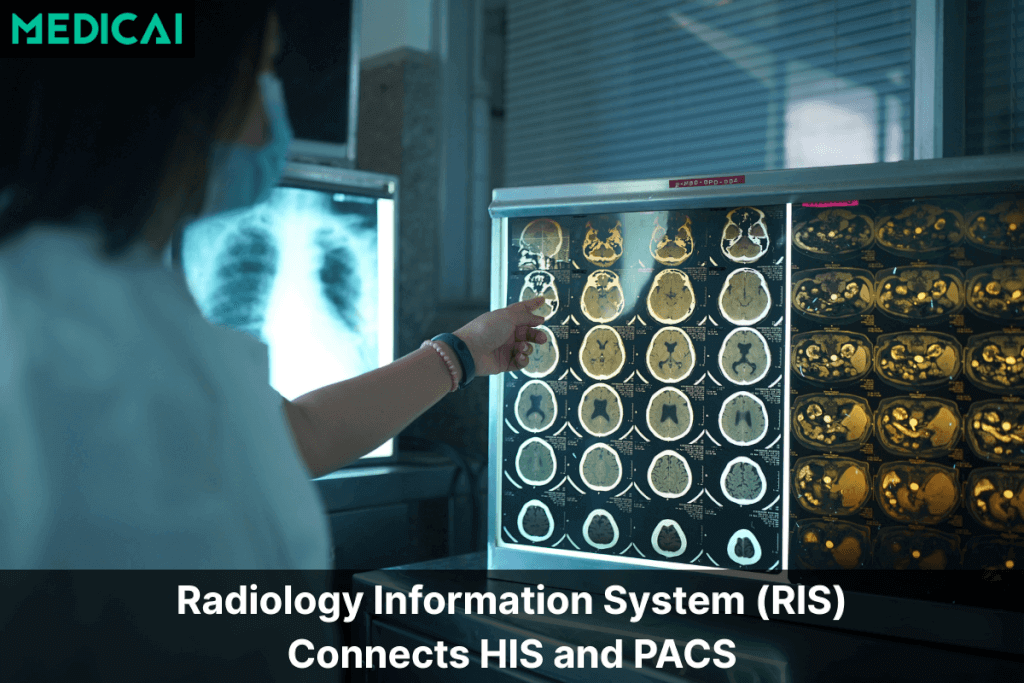
Radiology Information System (RIS): Modules, Chain Position, KPIs, and How It Connects HIS and PACS RIS is the administrative and operational nervous system of a radiology department. It manages every event in the patient’s radiology journey, excluding the image itself — the referral, scheduling, patient check-in, exam tracking, report distribution, billing, and department statistics. While...

Read MoreHospital Information System (HIS): Why It Is the Centre of Every PACS Workflow
Hospital Information System (HIS): Why It Is the Centre of Every PACS Workflow Every radiology order that reaches your PACS starts in your Hospital Information System. Every patient identity mismatch that breaks your PACS workflow traces back to a data problem in your HIS. Understanding HIS is not optional knowledge for imaging informatics...

Read MorePACS Workflow: RIS PACS Workflow Diagram, PACS Workflow Manager, Failures, KPIs, and Trends
PACS Workflow: RIS PACS Workflow Diagram, PACS Workflow Manager, Failures, KPIs, and Trends PACS workflow is the digital backbone that moves imaging context from RIS and EHR systems into modality worklists, routes DICOM studies to the appropriate archive, and finally exposes them through the appropriate clinical access point. PACS workflow keeps patient identities,...

Read MorePACS Interoperability, Standards, Benefits, Challenges, and Emerging Trends
PACS Interoperability, Standards, Benefits, Challenges, and Emerging Trends A clinician opens a patient chart, clicks Imaging, and expects three things fast: the right study, the right priors, and a report that matches the images. PACS interoperability determines whether that click results in a phone call, a screenshot, or...

Read MoreCardiology PACS Systems, Features, CVIS Integration, and Workflow Benefits
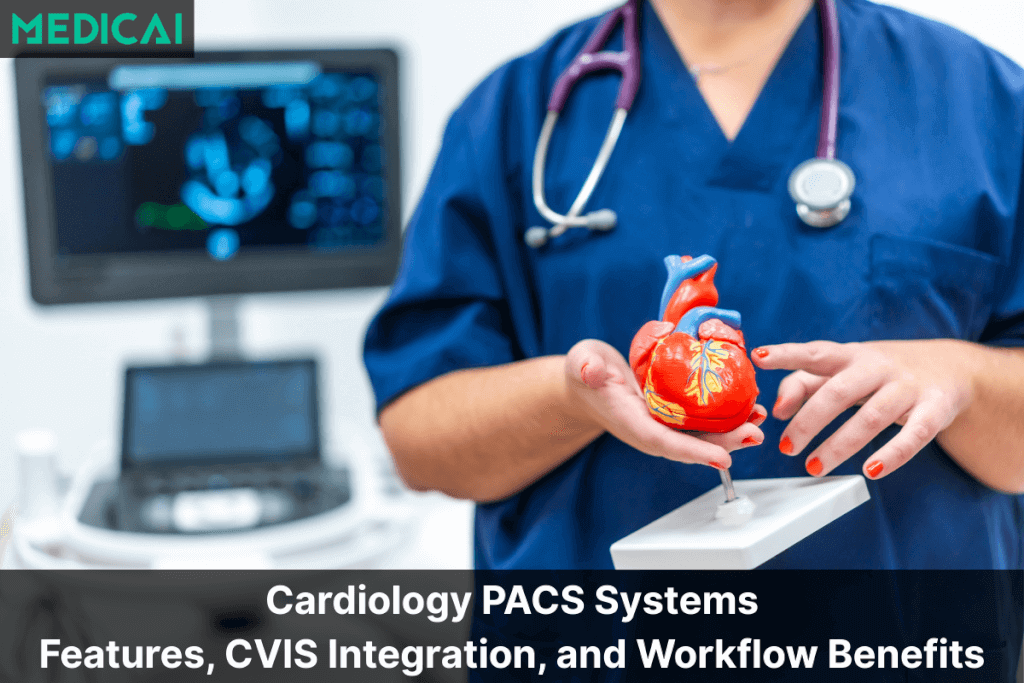
Cardiology PACS Systems, Features, CVIS Integration, and Workflow Benefits Cardiology PACS systems keep cardiovascular imaging usable, implied, not just stored. Cardiology PACS systems handle cine loops from echocardiography, angiography runs from catheterization, vascular ultrasound clips, and cardiac MRI series, and make priors easy to compare when the next follow-up...

Read MoreMammography Workflow for Women Under 50: What 11-Year Clinical Data Means for PACS and Diagnostic Imaging
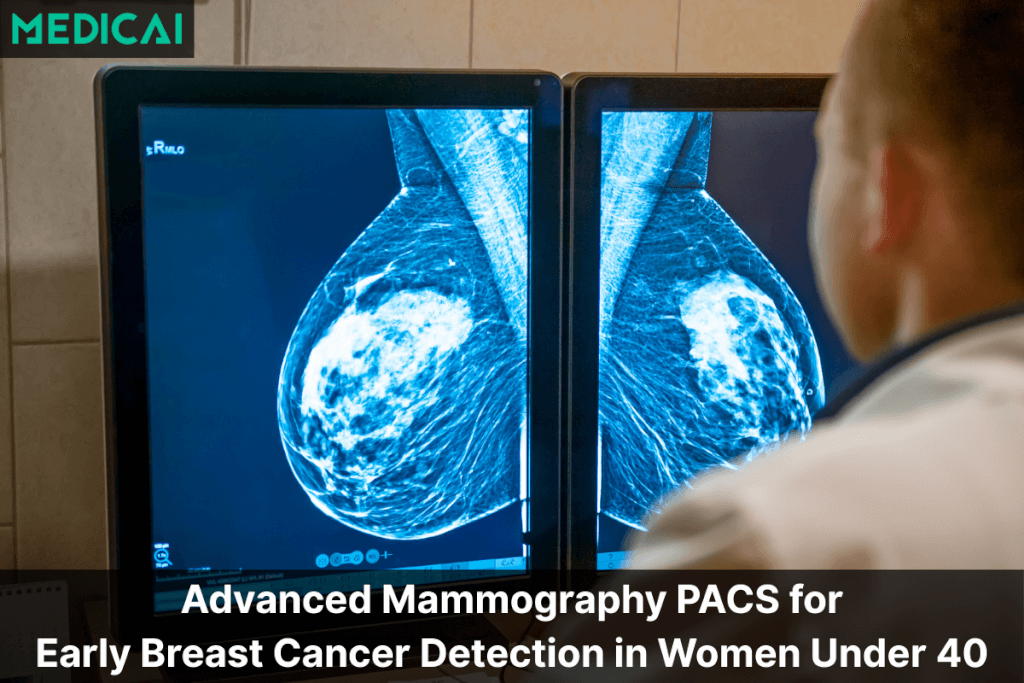
Mammography Workflow for Women Under 50: What 11-Year Clinical Data Means for PACS and Diagnostic Imaging The landscape of breast cancer detection is shifting. While much of the public health focus remains on women over 50, recent data suggests that younger women represent a substantial and consistently high-risk portion of the patient population. For MedTech providers...

Read MoreWhy Imaging Infrastructure Matters for AI Generalization in Radiology

Why Imaging Infrastructure Matters for AI Generalization in Radiology Artificial intelligence has shown impressive results in radiology research settings. From mammography to CT and MRI, AI models often achieve high accuracy when evaluated on curated datasets. Yet once deployed in real clinical environments, many of these same models struggle...

Read MoreThe Economics of Speed: How Server-Side Rendering Reduces TAT and Boosts Revenue
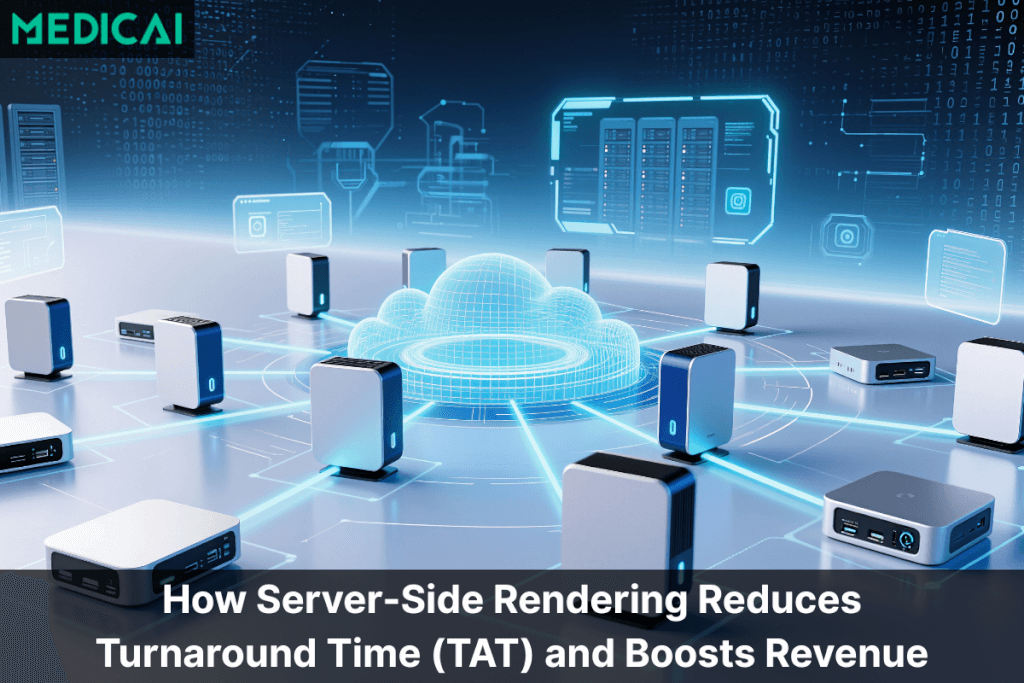
The Economics of Speed: How Server-Side Rendering Reduces TAT and Boosts Revenue In the business of radiology, Time is Inventory. Every minute a radiologist spends waiting for a scan to load, toggling between windows, or struggling with a slow VPN connection is a minute of lost inventory. It is billable time that...

Read MoreAI Orchestration in PACS: Moving Beyond "Buzzwords" to Real Workflow
AI Orchestration in PACS: Moving Beyond "Buzzwords" to Real Workflow AI orchestration in PACS is the workflow control layer that triggers inference, applies routing rules, selects models, and delivers AI results back into PACS worklists and reporting in a way clinicians actually use. This guide explains AI orchestration in PACS,...