An Accountable Care Organization (ACO) is a healthcare delivery model designed to enhance coordination and improve the quality of care for patients while controlling costs. In essence, an ACO is a group of healthcare providers, including doctors, hospitals, and other healthcare professionals, who voluntarily come together to collaborate and take responsibility for the care of a defined patient population. The primary goal of an ACO is to deliver high-quality, coordinated care to improve patient outcomes and reduce unnecessary healthcare expenditures.
Are you tired of the same old healthcare runaround?
Imagine a system where doctors actually talk to each other, your care is coordinated seamlessly, and costs are kept in check. That’s the promise of Accountable Care Organizations (ACOs). But are they all they’re cracked up to be?
Let’s dive into the pros and cons of ACOsAccountable Care Organizations.
What is an Accountable Care Organization?
An accountable care organization (ACO) is a group of healthcare providers, such as doctors, hospitals, and other healthcare professionals, who voluntarily come together to provide coordinated, high-quality care to a specific group of patients.
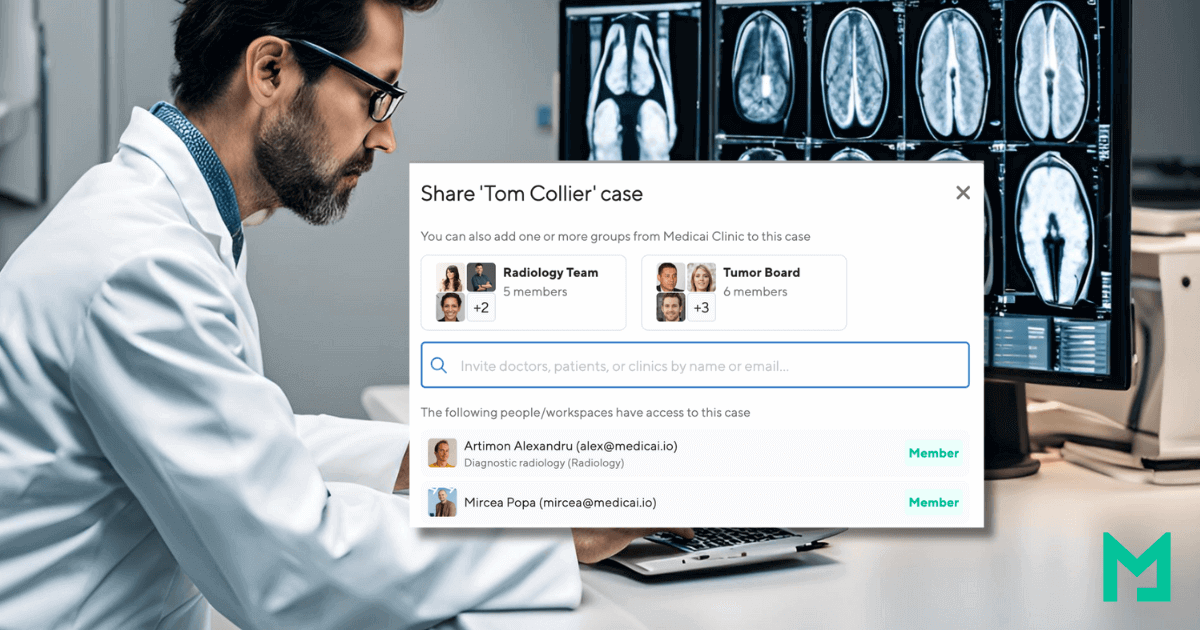
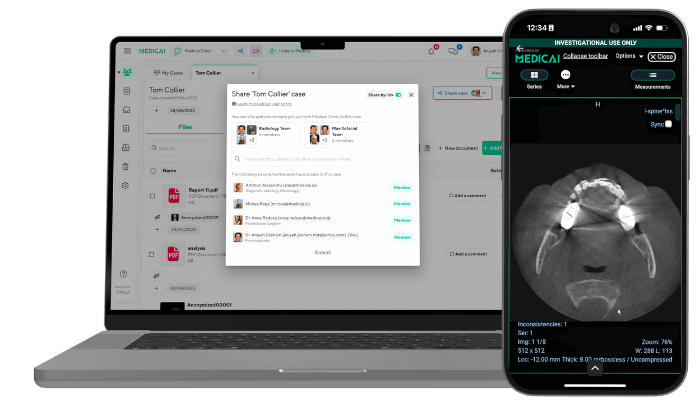
An ACO aims to improve patient outcomes, enhance the patient experience, and reduce healthcare costs. Medicai offers an integrated approach to ensure such value-based care through connectivity and collaboration.
Accountable Care Organizations Pros And Cons
ACOs promote improved care coordination, leading to better patient outcomes, increased efficiency, and reduced unnecessary healthcare expenditures. However, managing shared financial risk is complex, potential resistance to change among providers is high, and significant upfront investment in infrastructure is needed.
Feature
Pros
Cons
Care Coordination
Improved communication and collaboration among providers. Reduced duplication of services. More holistic approach to patient care.
Increased complexity in coordinating care across multiple providers and settings. Potential for communication breakdowns.
Patient Experience
Enhanced patient satisfaction due to better care coordination and access to preventive services. Improved patient engagement in their own care.
Potential for limited patient choice within the ACO network.
Quality of Care
Emphasis on meeting quality performance measures. Incentives for providers to focus on delivering high-quality care. Improved patient outcomes due to better management of chronic conditions.
Potential for misaligned incentives if financial targets are prioritized over patient needs. Difficulty in measuring and reporting on quality metrics across diverse providers.
Cost Efficiency
Potential for cost savings through preventive care, reduced hospitalizations, and efficient resource utilization. Shared savings opportunities for successful ACOs.
Upfront investment costs for infrastructure, technology, and care coordination. Potential for increased administrative burden on providers.
Provider Collaboration
Fosters a culture of collaboration and shared responsibility among providers. Improved communication and coordination across different care settings.
Potential for conflicts among providers with different practice styles or financial incentives.
What are the Characteristics of an Accountable Care Organization?
Accountable Care Organizations (ACOs) have several key characteristics distinguishing them from traditional healthcare delivery models. Here are some of the most important ones:
Provider Collaboration
ACOs bring together a diverse group of providers, including doctors, hospitals, specialists, and other healthcare professionals, to collaborate in delivering care.
They foster a culture of shared responsibility and coordinated decision-making, breaking down the silos that often exist in traditional healthcare.
Focus on Quality and Outcomes
ACOs are held accountable for meeting specific quality performance measures, such as patient satisfaction, preventive care, and management of chronic conditions.
They prioritize improving patient outcomes and overall health rather than simply providing more services.
Emphasis on Care Coordination
ACOs strive to provide seamless and coordinated care across different specialties (e.g., oncology, orthopedic), settings, and providers.
They use care coordinators and technology to ensure patients receive the proper care at the right time, avoiding unnecessary duplication and fragmentation.
Patient-Centered Approach
ACOs put the patient at the center of the care model, focusing on their individual needs and preferences.
They encourage patient engagement and shared decision-making.
Performance-Based Payment
ACOs often participate in shared savings programs, where they can share the cost savings achieved through improved efficiency and quality.
This incentivizes providers to focus on value and outcomes rather than just the volume of services.
Use of Data and Technology
ACOs rely on robust data collection and analysis to track performance, identify areas for improvement, and manage population health.
They often use technology to facilitate care coordination, patient engagement, and data sharing.
Commitment to Continuous Improvement
ACOs are committed to ongoing learning and improvement. They use data and feedback to refine their processes and enhance care delivery.
What is the Purpose of an Accountable Care Organization (ACO)?
The purpose of an Accountable Care Organization (ACO) is to deliver high-quality, coordinated care to patients while simultaneously controlling costs. It’s all about achieving the “Triple Aim” of healthcare:
Improving patient experience: This includes enhancing patient satisfaction, improving communication with providers, and providing more personalized care.
Improving the health of populations: ACOs focus on preventive care and effective management of chronic conditions to improve the overall health of the patients they serve.
Reducing per capita healthcare costs: ACOs aim to lower healthcare costs by implementing diverse strategies, such as avoiding unnecessary services, preventing complications, and promoting efficient care delivery.
Essentially, ACOs aim to create a more integrated and efficient healthcare system that prioritizes both patient well-being and value. They do this by:
Promoting collaboration: Bringing together doctors, hospitals, and other providers to work as a team, ensuring patients receive coordinated care.
Focusing on prevention: Emphasizing preventive care and wellness programs to keep patients healthy and avoid unnecessary hospitalizations.
Improving care coordination: Facilitating smooth transitions between different care settings and ensuring patients receive the right care at the right time.
Using data to drive improvement: Tracking performance, identifying areas for improvement, and using data to inform care decisions.
Where do the data originate that are used to prove Accountable Care Organization (ACO) success?
The data used to prove ACO’s success comes from various sources aimed at painting a comprehensive picture of patient outcomes, quality of care, and cost efficiency. Here are the primary sources:
Electronic Health Records (EHRs)
This is a cornerstone of ACO data. EHRs contain many patient information, including medical history, diagnoses, treatments, medications, lab results, etc. This data allows ACOs to track patient progress, identify trends, and measure the effectiveness of interventions.
Claims Data
ACOs receive claims data from payers (insurance companies, Medicare, etc.). This data provides insights into healthcare utilization, costs associated with different services, and patterns of care. By analyzing claims data, ACOs can identify areas where costs can be reduced and efficiency improved.
Patient Surveys and Feedback
Direct input from patients is crucial. ACOs use surveys and feedback mechanisms to gather information on patient experiences, satisfaction levels, and perceived quality of care. This data helps ACOs understand patient needs and preferences and identify areas for improvement.
Quality Reporting Systems
ACOs participate in various quality reporting programs, such as CMS’s. These programs require ACOs to submit data on a range of quality measures, including patient satisfaction, preventive care, and management of chronic conditions. This data is used to assess ACO performance and identify areas for improvement.
Administrative Data
ACOs also collect administrative data, such as patient demographics, enrollment information, and provider characteristics. This data helps ACOs understand the population they serve and tailor interventions to meet specific needs.
Managed Care Organization vs Accountable Care Organization
While Managed Care Organizations (MCOs) and Accountable Care Organizations (ACOs) aim to improve healthcare delivery, their approaches and focus differ.
Care coordination, patient engagement, performance measurement
Patient Choice
Often restricted
May be more flexible
Financial Model
Capitation, discounted fee-for-service
Shared savings
Approach
Reactive, managing utilization
Proactive, improving outcomes
Types of Accountable Care Organization
There are different types of ACOs, including:
Medicare Shared Savings Program (MSSP) ACOs: These ACOs participate in a program administered by the Centers for Medicare & Medicaid Services (CMS) and are accountable for the quality and cost of care for Medicare fee-for-service beneficiaries.
Next Generation ACO Model: This model is for ACOs with experience managing care for patient populations and offers greater financial risk and reward.
Pioneer ACO Model: This model was designed for healthcare organizations and providers already experienced in coordinating patient care across care settings.
Commercial ACOs: These ACOs contract with private health insurers to provide coordinated care to their members.
How to Become an Accountable Care Organization: Key Steps
Becoming an Accountable Care Organization (ACO) involves a structured process and collaboration among healthcare providers. Here are the general steps to become an ACO:
Understand ACO Models
Familiarize yourself with different ACO models, such as those offered by the Centers for Medicare & Medicaid Services (CMS) in the United States. Common models include the Medicare Shared Savings Program (MSSP), the Next Generation ACO Model, and the Medicare ACO Track 1+ Model. Each model has specific requirements and features.
Assess Readiness
Evaluate your organization’s readiness to become an ACO. Consider factors such as your existing care coordination capabilities, health information technology infrastructure, financial stability, and willingness to take on risk (if applicable).
Build Collaborative Partnerships
Partner with other healthcare providers, including primary care physicians, specialists, hospitals, and other entities. Collaboration is fundamental to the success of an ACO, as it requires coordinated care across the continuum.
Establish Leadership and Governance
Designate a leadership team responsible for overseeing the ACO’s operations. Develop a governance structure that includes representation from participating providers. Define roles, responsibilities, and decision-making processes within the ACO.
Implement Health Information Technology (HIT)
Invest in Health Information Technology (HIT), including Electronic Health Records (EHRs), to facilitate the exchange of patient information, support care coordination, and enable data-driven decision-making. A strong HIT infrastructure is crucial for ACO success.
Participate in ACO Programs
Choose the ACO program that aligns with your organization’s goals and capabilities. For example, if you are in the U.S., you may apply to participate in CMS’s MSSP or other ACO models. Be aware of the program’s requirements and deadlines.
Submit Application and Documentation
Complete and submit the necessary applications and documentation as required by the ACO program. This may include information about your organization’s structure, capabilities, and the participating providers. Ensure compliance with all program requirements.
Meet Program Requirements
Comply with the program requirements, including quality reporting, performance metrics, and care coordination activities. Implement strategies to meet or exceed the quality benchmarks set by the ACO program.
Engage in Care Coordination
Develop and implement care coordination strategies to enhance communication and collaboration among participating providers. Emphasize patient-centered care and preventive services to improve health outcomes.
Monitor and Evaluate Performance
Regularly monitor the ACO’s performance against established benchmarks. Evaluate the effectiveness of care coordination efforts, financial performance, and patient outcomes. Use data analytics to identify areas for improvement.
Participate in Learning Collaboratives
Join learning collaboratives and networks provided by the ACO program. Engage with other ACOs to share best practices, learn from experiences, and stay updated on industry trends.
Adapt and Innovate
Be prepared to adapt to changes in the healthcare landscape and continuously innovate to enhance the ACO’s performance. Stay informed about evolving regulations, technologies, and best practices in value-based care.
Specific steps and requirements may vary based on the ACO program and the regulatory environment in your region. Consulting with legal and healthcare management professionals experienced in ACO development can provide valuable guidance.
Five Technologies to Support ACOs
Several technologies can significantly enhance the operations of Accountable Care Organizations (ACOs) by improving care coordination, data management, and overall efficiency. Here are five specific technologies that can play a crucial role in enhancing ACO operations:
Advanced Analytics and Business Intelligence Tools
Care Coordination Platforms
Implementing these technologies requires careful consideration of the ACO’s specific needs and capabilities. Additionally, it is essential to ensure that the chosen technologies adhere to relevant regulatory standards and support interoperability to facilitate seamless data exchange.
As technology continues to evolve, ACOs should stay informed about emerging solutions that can further enhance their ability to deliver high-quality, coordinated care while effectively managing costs.
Conclusion
ACOs offer a promising path toward better care coordination and cost-efficiency in healthcare. While challenges exist, their potential to improve patient outcomes and satisfaction makes them a model worth watching.
Will ACOs be the solution for a more integrated and effective healthcare system?
Time will tell.
Experienced marketer, she is interested in health equity, patient experience and value-based care pathways. She believes in interoperability and collaboration for a more connected healthcare industry.