Healthcare Policy and Equity
Exploring the policies that shape healthcare systems and their impact on access to care, health equity, and the distribution of resources. Articles in this category examine regulatory frameworks, policy reforms, and initiatives aimed at reducing healthcare disparities and ensuring fair access to medical services. It also addresses challenges in achieving health equity, highlighting efforts to improve outcomes for underserved populations and discussing the role of policy in creating a more inclusive and equitable healthcare environment.
23 posts
Read MoreThe Unified Worklist: How to Connect Disparate PACS Without Replacing Them
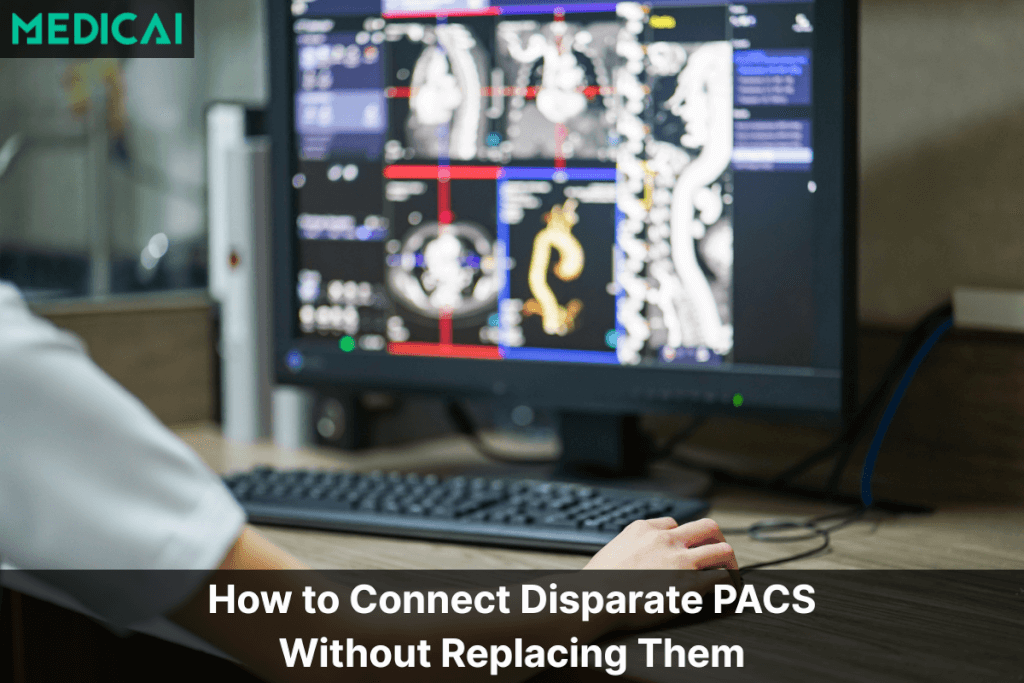
The Unified Worklist: How to Connect Disparate PACS Without Replacing Them If you walk into the reading room of a typical private radiology practice or a large hospital network today, you will see a chaotic scene. You will see a radiologist sitting at four monitors, using three keyboards, logging into five...

Read MoreFrom Upload to Insight: How AI Simplifies Patient Document Processing
From Upload to Insight: How AI Simplifies Patient Document Processing In modern healthcare, efficiency isn’t just a nice-to-have — it’s a necessity. Yet one of the biggest time sinks in hospitals and clinics remains patient paperwork. From onboarding forms and consent documents to referral letters and insurance proofs, the process...

Read MoreBringing Order to Chaos: The Role of AI in Medical Document Processing
Bringing Order to Chaos: The Role of AI in Medical Document Processing Healthcare runs on information — but much of that information is locked inside unstructured documents: handwritten notes, scanned lab reports, discharge summaries, and referral letters. Every hospital, clinic, and imaging center generates thousands of such documents daily, each essential for...

Read MoreHIPAA & GDPR Guide to Secure Medical Image Sharing
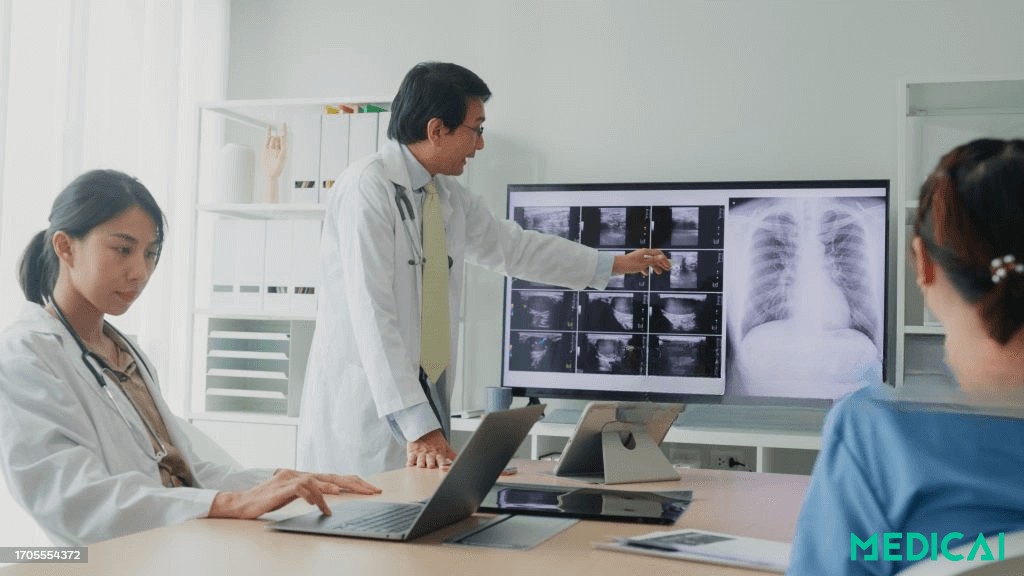
HIPAA & GDPR Guide to Secure Medical Image Sharing In a world where data moves fast, security in healthcare must move faster, protecting every medical image, every time, everywhere. To share medical images for second opinions, healthcare providers must adhere to HIPAA and GDPR rules. It includes encrypting files,...

Read More1.5T vs 3T MRI: Which Scanner Fits Your Clinical Needs?
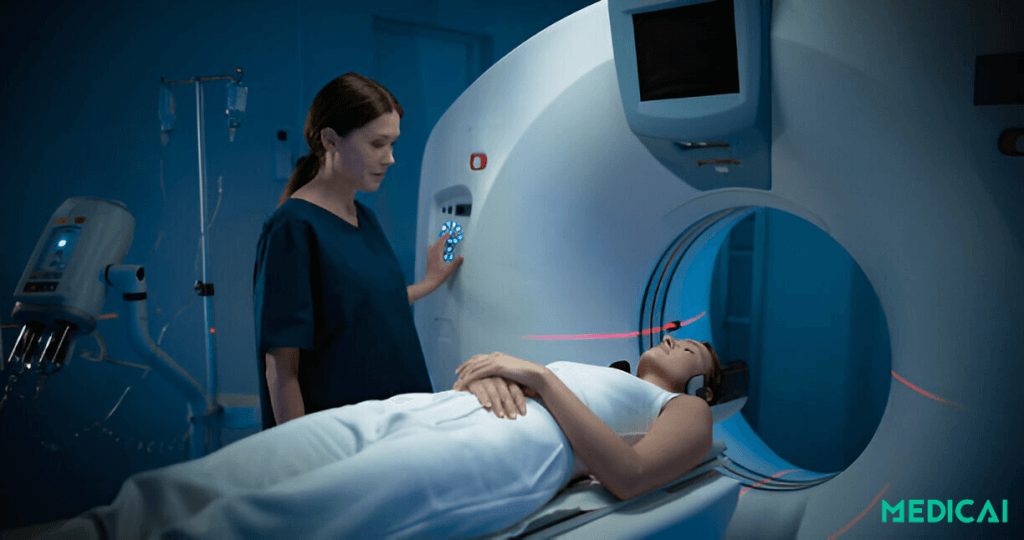
1.5T vs 3T MRI: Which Scanner Fits Your Clinical Needs? Ever wondered why some clinics stick with 1.5T magnets while others upgrade to 3T? 1.5T scanners deliver reliable, implant-safe imaging and predictable scheduling, while 3T systems provide up to double the signal–to–noise ratio for finer detail and faster scans. The...

Read MoreThe Lawyer’s Guide to Interpreting DICOM Images for Presenting Medical Evidence
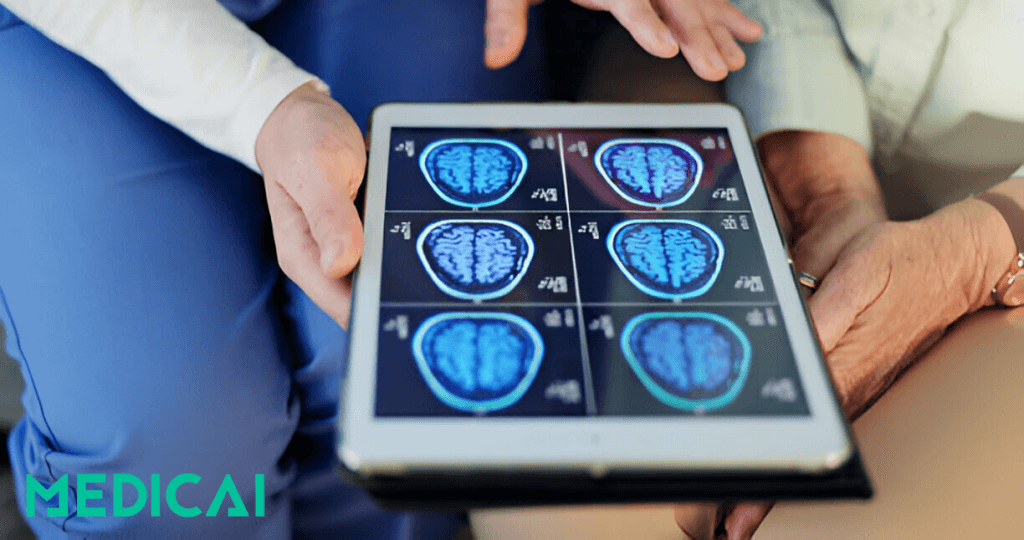
The Lawyer’s Guide to Interpreting DICOM Images for Presenting Medical Evidence What if the strongest witness in your case isn’t a person, but a medical image? This is where DICOM becomes significant! DICOM is a medical imaging standard that goes deeper than just images. It includes important details, high-quality visuals, and...

Read MorePACS and DICOM Imaging in Chiropractic Assessments for Personal Injury Cases

PACS and DICOM Imaging in Chiropractic Assessments for Personal Injury Cases There’s a saying, “A picture is worth a thousand words,” but it could be worth thousands of dollars in a personal injury case. When someone suffers from spinal or musculoskeletal trauma, chiropractors are often the first to step in—not just...

Read MoreDICOM Viewer: The Secret Weapon for Personal Injury Cases

DICOM Viewer: The Secret Weapon for Personal Injury Cases In personal injury law, medical evidence can make or break a case. However, relying on slow hospital processes, outdated CDs, or unclear medical reports can hinder progress and weaken legal arguments. That’s where a DICOM viewer for personal injury lawyers...

Read MorePACS: 130 Years of Medical Imaging Evolution to Sustain Personalized Care
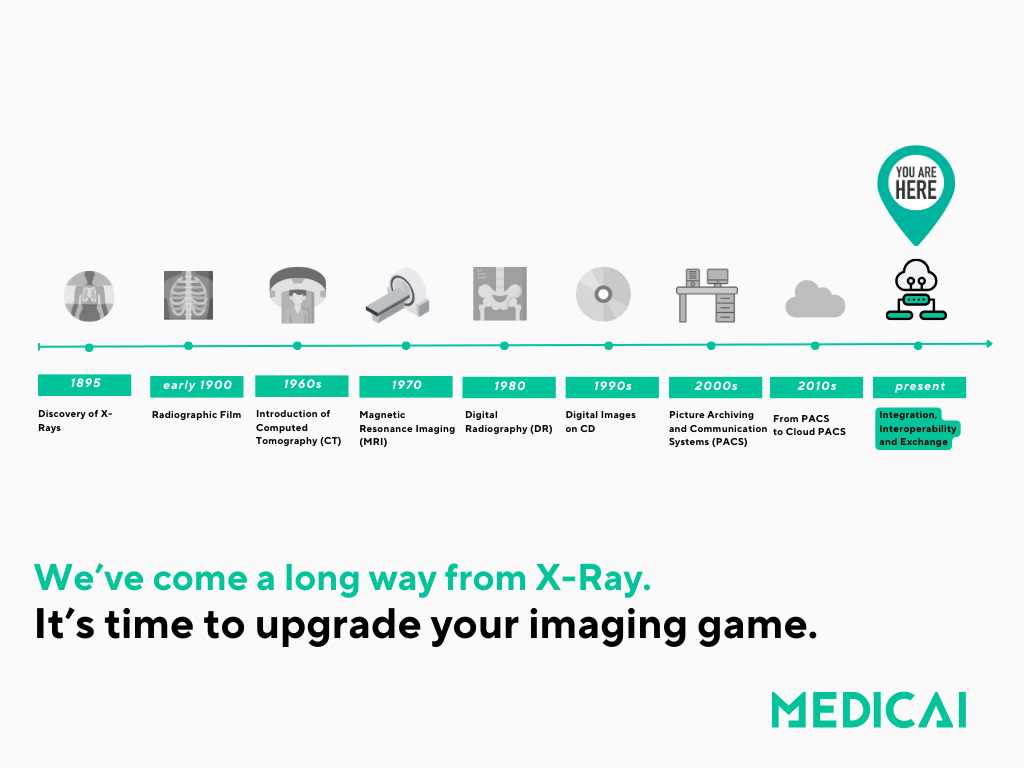
PACS: 130 Years of Medical Imaging Evolution to Sustain Personalized Care Medical imaging data (from X-rays, CT scans, ultrasounds, MRIs, and digital pathology) was once primarily stored in physical formats, such as film. Today, however, these images are captured, managed, and stored digitally using advanced systems, improving accessibility and sharing capabilities....

Read MoreHealth equity, community health and early detection with Jonathan Govette, founder and CEO of Oatmeal Health

Health equity, community health and early detection with Jonathan Govette, founder and CEO of Oatmeal Health An enlightening conversation with Jonathan Govette, the visionary CEO and founder of Oatmeal Health, as he discusses his mission to transform cancer screening for underserved communities. Learn how Oatmeal Health leverages AI and machine learning to make cancer detection more accessible and efficient, focusing on Federally Qualified Health Centers (FQHCs) that serve vulnerable populations. Govette shares his ambitious goals of becoming the nation's leading minority data broker for clinical trials, ensuring that medical studies truly represent US diverse nation.

Read MoreFederally Qualified Health Centers (FQHCs) and Their Impact on Healthcare
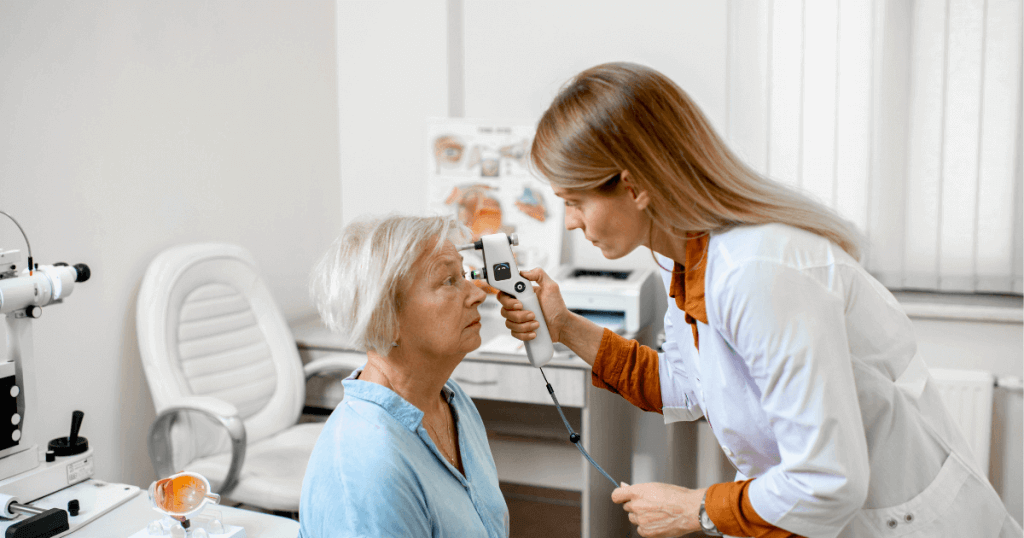
Federally Qualified Health Centers (FQHCs) and Their Impact on Healthcare Federally Qualified Health Centers (FQHCs) play a pivotal role in the U.S. healthcare system by providing comprehensive primary and preventive care services to underserved and vulnerable populations.
These centers are critical in bridging the healthcare gap, particularly in rural and low-income urban areas, where access to medical care is often limited.

Read MoreWhy Public Health Strategy Needs More Than Good Intentions

Why Public Health Strategy Needs More Than Good Intentions What’s the first thing people say after a public health crisis? Usually: “We didn’t see it coming.” Or, “We meant to prepare, but…” That’s the problem. Good intentions are never in short supply. Planning, execution, and follow-through? Those tend to...
