Healthcare Trends and Innovations
This category delves into the cutting-edge advancements and transformative shifts shaping the future of healthcare. This section spotlights emerging technologies, innovative treatment methods, and the evolving landscape of patient care. Articles cover topics such as artificial intelligence, telemedicine, personalized medicine, and the integration of digital health tools, offering insights into how these developments are revolutionizing the healthcare industry and improving patient outcomes.
148 posts
Read MoreVoice‑Enabled Radiology: From Dictation to Contextual Command
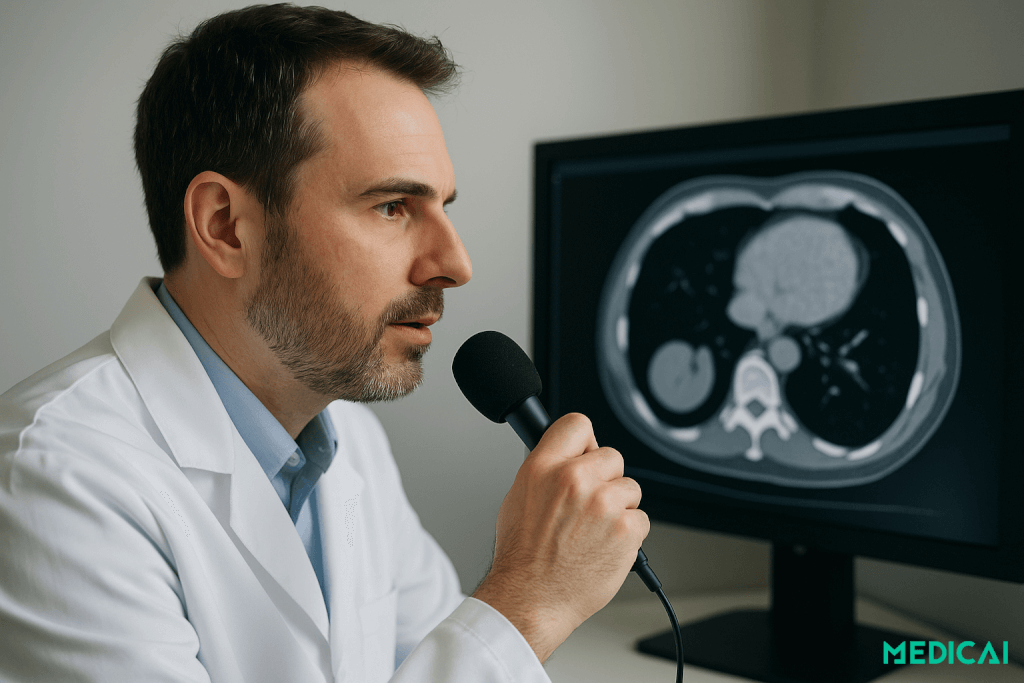
Voice‑Enabled Radiology: From Dictation to Contextual Command What if your radiology workstation could not only listen, but also understand? This is the promise of voice-enabled radiology. Voice-enabled radiology is the evolution from traditional dictation to AI-powered contextual commands. Instead of only transcribing words, modern systems understand intent....

Read MoreWhy Structured Annotations Are the Future of Oncologic Reporting?
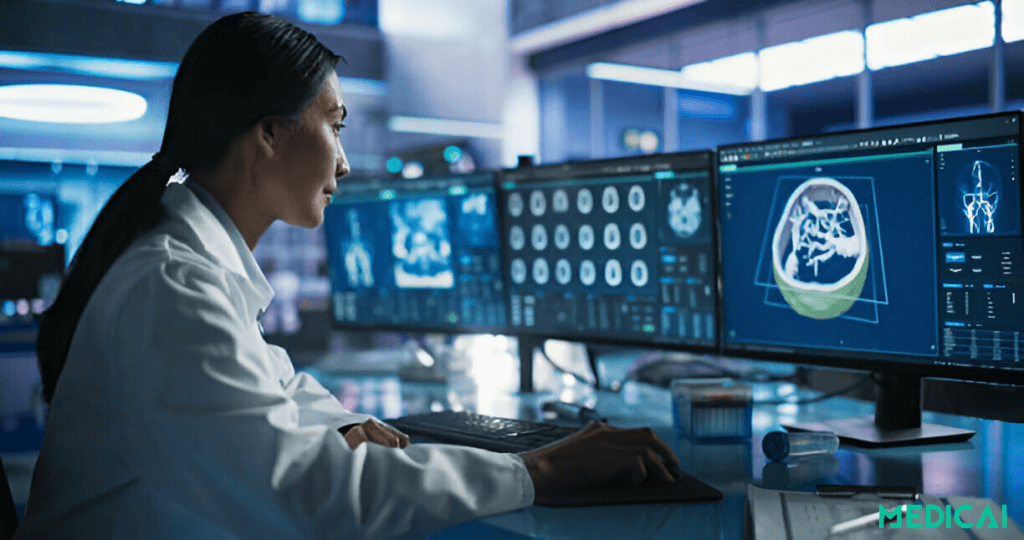
Why Structured Annotations Are the Future of Oncologic Reporting? Cancer imaging is evolving fast, and so are the expectations. Clinicians need instant clarity, patients deserve precision, and radiologists face growing pressure to deliver both. Structured annotations in oncologic reporting embed standardized data onto PACS images, creating faster, clearer reports...

Read MoreHow to Implement PACS in Urgent Care — Configuration, EHR Integration, and Best Practices
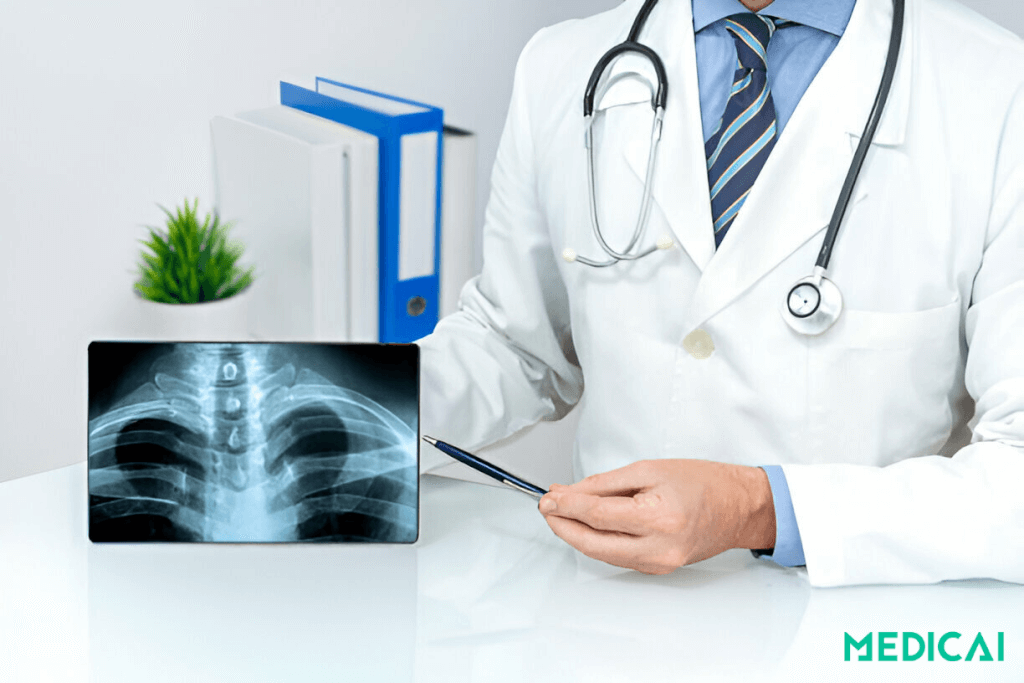
How to Implement PACS in Urgent Care — Configuration, EHR Integration, and Best Practices This guide covers the technical implementation of PACS in an urgent care environment — DICOM modality configuration, EHR and RIS integration via HL7 and FHIR, data migration from legacy systems, go-live planning, and KPI monitoring — for radiology IT professionals...

Read MorePACS Integration for Modern Veterinary Practices
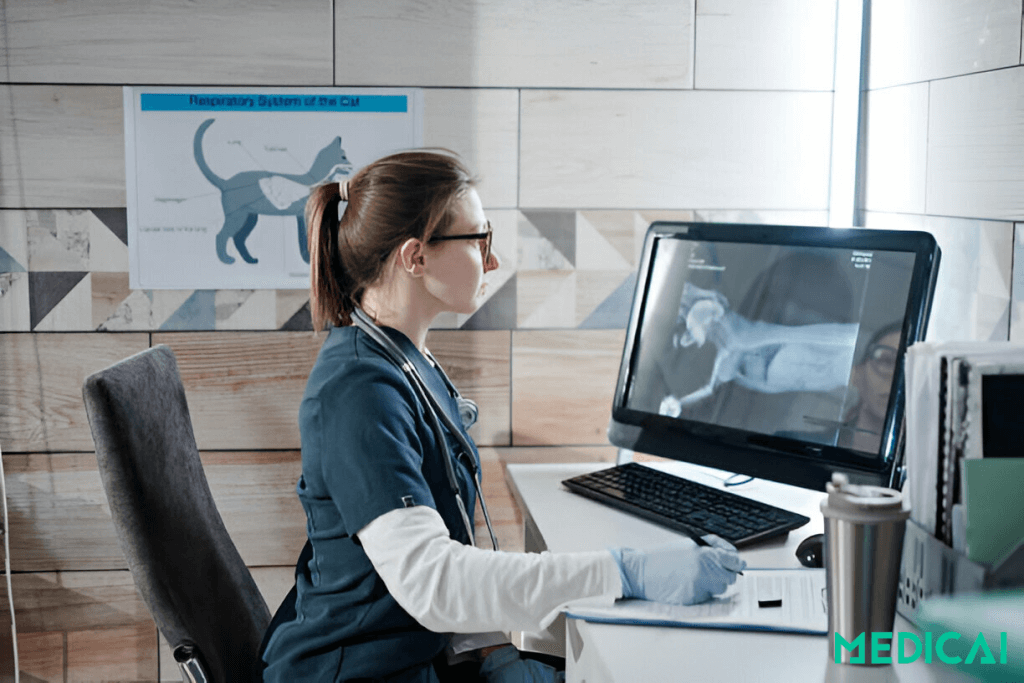
PACS Integration for Modern Veterinary Practices Tired of chasing down images, repeating data entry, or flipping between systems just to finalize a patient report? Well, here’s a better way to handle your work: Vet PACS integration. Vet PACS integration brings all your critical tools together: imaging,...

Read MoreRetrieval-Augmented Generation: The Missing Link Between AI and Radiology Accuracy
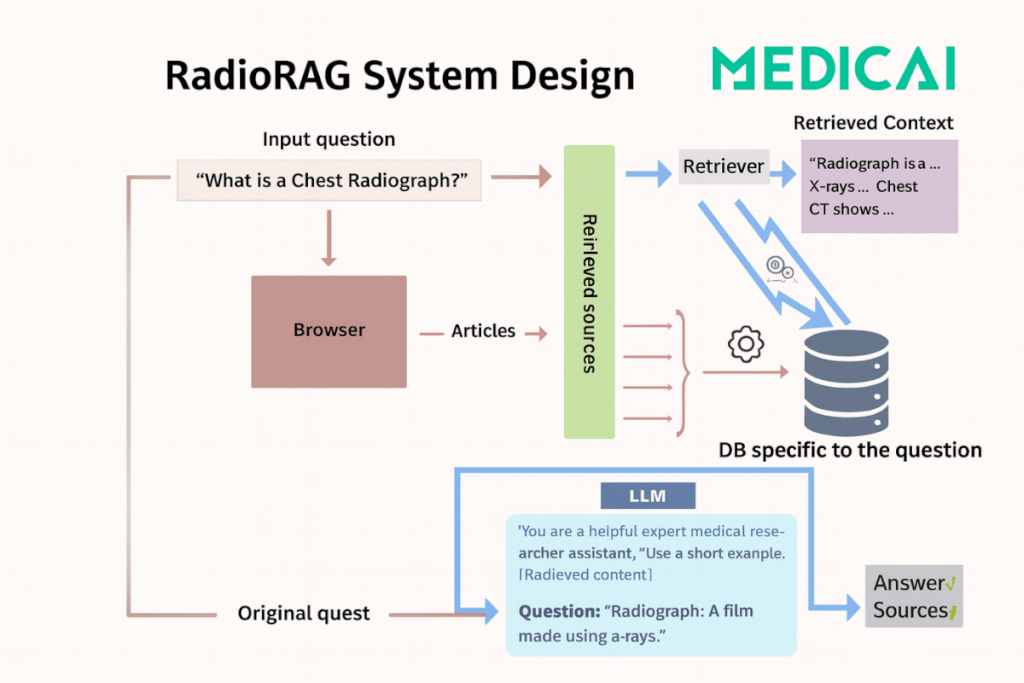
Retrieval-Augmented Generation: The Missing Link Between AI and Radiology Accuracy As radiologists face mounting caseloads and increasing demand for rapid diagnostic decisions, large language models (LLMs) have emerged as promising allies. Yet, conventional LLMs suffer from limitations that constrain their reliability: hallucinations, outdated information, and a lack of source transparency....

Read More1.5T vs 3T MRI: Which Scanner Fits Your Clinical Needs?
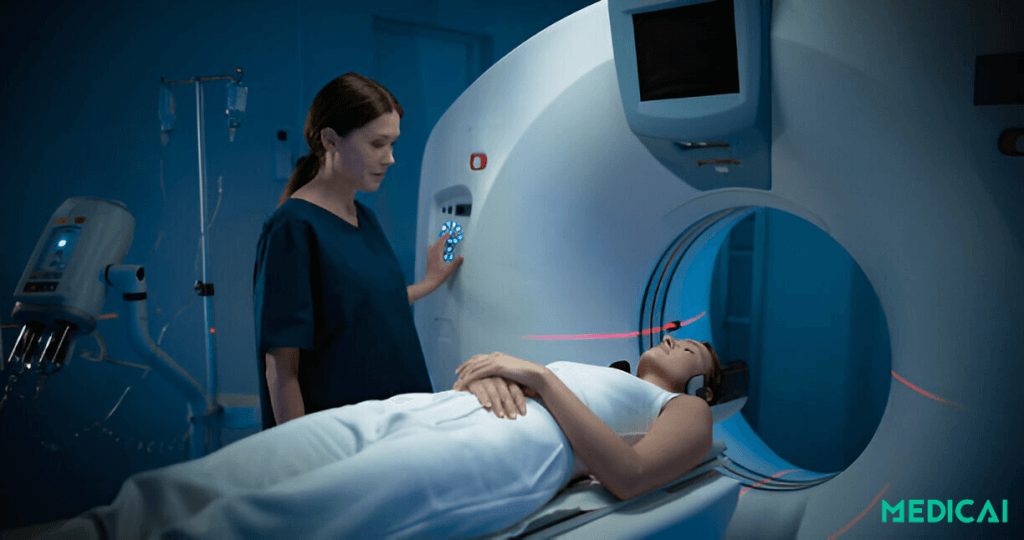
1.5T vs 3T MRI: Which Scanner Fits Your Clinical Needs? Ever wondered why some clinics stick with 1.5T magnets while others upgrade to 3T? 1.5T scanners deliver reliable, implant-safe imaging and predictable scheduling, while 3T systems provide up to double the signal–to–noise ratio for finer detail and faster scans. The...

Read MoreHow to Convert DICOM to JPEG in Minutes
How to Convert DICOM to JPEG in Minutes Fastest way to convert DICOM to JPEG or JPG The DICOM to JPEG process extracts and window-levels the raw pixel data, then compresses it into a standard JPEG file. This process preserves key diagnostic details while making images instantly viewable...

Read MoreMRI With Contrast vs Without Contrast: What's the Difference and When You Need Each
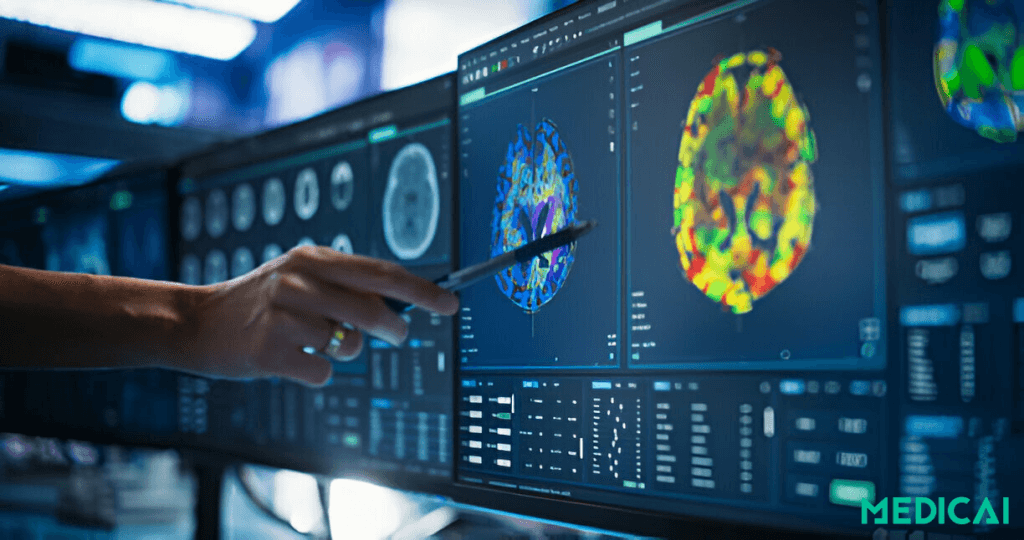
MRI With Contrast vs Without Contrast: What's the Difference and When You Need Each MRI with contrast uses an injected gadolinium-based contrast agent to enhance the visibility of certain tissues and abnormalities — particularly blood vessels, tumors, infections, inflammation, and scar tissue. MRI without contrast images the same body parts using only the scanner’s...

Read MoreHow Deep Learning Revolutionizes Cardiac MRI Segmentation
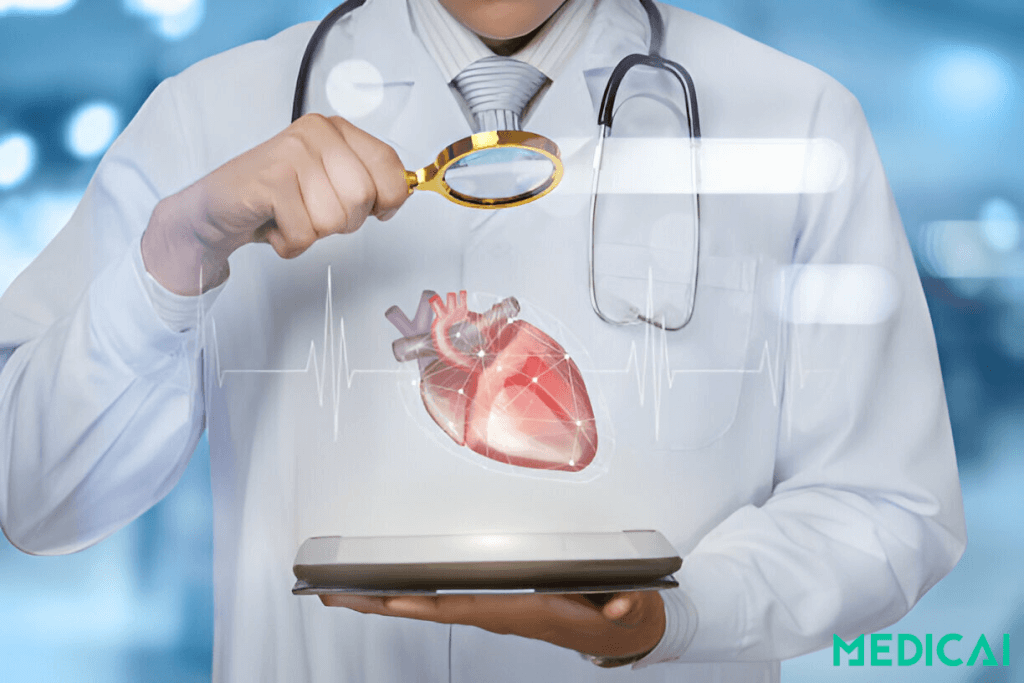
How Deep Learning Revolutionizes Cardiac MRI Segmentation What if your next cardiac MRI report arrives before you finish your coffee? Fully automatic deep-learning segmentation combines a CNN-powered ROI detector, U-Net–based backbone, and deformable-model refinement to deliver pixel-perfect chamber masks in seconds. The result is clinician-grade contours, Dice...

Read MoreFrom Scan to Diagnosis: How Does PACS Works
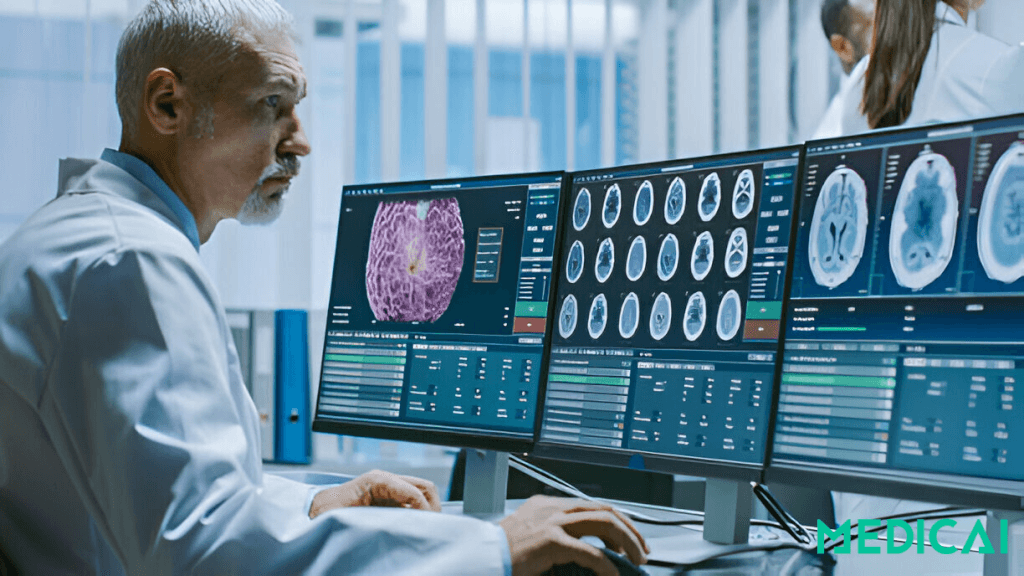
From Scan to Diagnosis: How Does PACS Works No film, no delays, just a click and your images appear! That’s the power behind modern imaging workflows, such as PACS, where speed and precision transform patient care. PACS (Picture Archiving and Communication System) digitizes film archives, capturing, storing, and...

Read MoreBrain Tumor MRI Image Segmentation Using Deep Learning Techniques
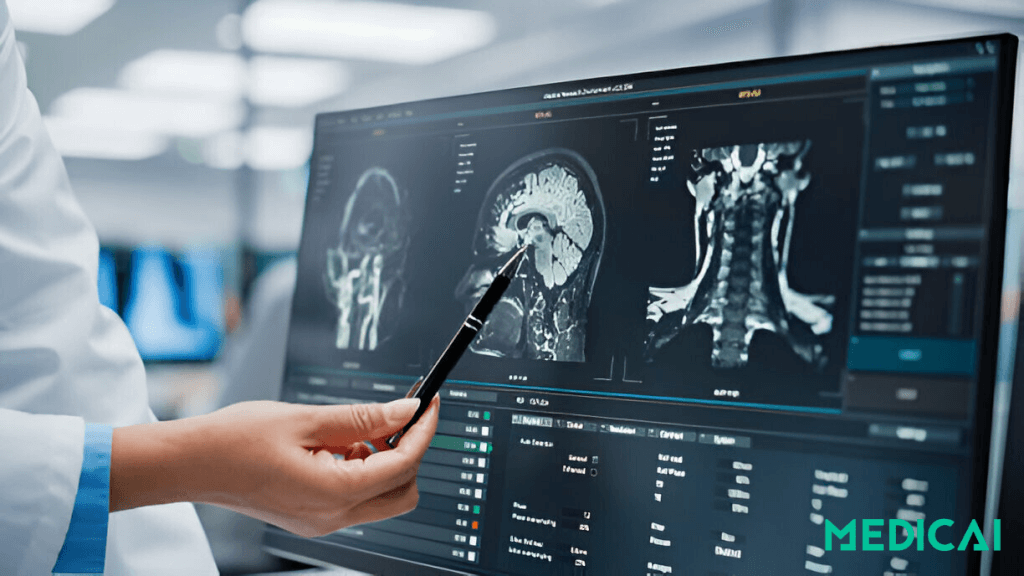
Brain Tumor MRI Image Segmentation Using Deep Learning Techniques Imagine reducing hours of manual brain MRI segmentation to seconds. Brain tumor boundaries emerge automatically, and deep learning is making this possible. It brings precision, speed, and consistency to neuro-oncology workflows. Deep learning leverages CNNs, attention U-Nets, and transformer hybrids...

Read MoreLiver Segmentation MRI: From Prep to 3D Masks
Liver Segmentation MRI: From Prep to 3D Masks Imagine turning a series of blurry MRI slices into a crystal-clear 3D map of the liver in seconds. No more guesswork or manual tracing. Liver segmentation MRI uses advanced algorithms to isolate liver tissue from surrounding organs, creating precise 3D...