Endoscopic Imaging in ESG: From Selection to Recovery

A camera small enough to travel through the mouth and into the stomach has changed what weight-loss treatment can look like. In endoscopic sleeve gastroplasty, imaging does more than allow a physician to see inside the digestive tract. It supports clinical assessment, guides the placement of sutures in real time and provides a visual record of the procedure.
That makes ESG an example of image-guided treatment rather than traditional surgery. Instead of making abdominal incisions or removing part of the stomach, a trained endoscopist uses a flexible instrument equipped with a camera and suturing system to reshape the stomach from within.
The technology may be sophisticated, but its value ultimately depends on how it is used. Clear images must be interpreted by an experienced physician, connected with the patient’s medical history and supported by appropriate care before and after the procedure.
What does endoscopic imaging show?
An upper endoscope is a thin, flexible instrument with a light and camera at its tip. As it travels through the mouth and esophagus into the stomach, it sends live images to a high-definition monitor.
Unlike an X-ray or CT scan, which creates images from outside the body, endoscopy provides a direct view of the inner surface of the digestive tract.
During ESG, this allows the physician to:
- Examine the esophagus and stomach
- Identify visible abnormalities
- Assess whether the procedure can proceed
- Guide the placement of sutures
- Observe the stomach as its shape changes
- Record images and procedural findings
Imaging is therefore not a separate step from ESG. It is the physician’s view of the procedure as it happens.
How does imaging support ESG patient selection?
Not everyone seeking weight-loss treatment will be an appropriate candidate for ESG.
The selection process usually considers medical history, body mass index, previous weight-management efforts, medications, gastrointestinal symptoms, existing health conditions and readiness to participate in long-term follow-up.
Laboratory testing and medical-record review may provide information about diabetes, high blood pressure, liver disease and other conditions that could influence treatment. Previous endoscopy reports or imaging studies may also be relevant, particularly when a patient has digestive symptoms or a history of bariatric treatment.
A separate endoscopy is not automatically required before every ESG procedure. In some cases, the physician may perform the diagnostic examination at the beginning of the ESG session, immediately before suturing.
The appropriate approach depends on the patient’s symptoms, medical history, local protocols and the physician’s judgment.
This initial visual assessment gives the endoscopist an opportunity to examine the stomach before proceeding. An unexpected finding may require further investigation or a change in the treatment plan.
Digital questionnaires and virtual consultations can help organise information and improve access, but they cannot independently determine whether a patient is suitable for ESG. Final selection remains a clinical decision.
How does real-time imaging guide ESG sutures?
Once the physician has examined the stomach and confirmed that the procedure can continue, the therapeutic stage begins.
A specialised suturing system attached to the endoscope allows the physician to grasp tissue and place full-thickness stitches through the stomach wall. These sutures are arranged in a planned pattern to shorten and narrow the usable portion of the stomach.
Real-time imaging helps the physician maintain orientation, select the position of each tissue bite, monitor how the stomach changes as sutures are tightened and inspect the treatment area throughout the procedure.
This combination of live visualisation and internal suturing makes ESG possible without abdominal incisions.
The stomach remains in place, but its internal shape and functional volume are altered.
How is ESG delivered through Everself?
Everself represents a newer generation of specialist weight-care providers built around endoscopic treatment rather than traditional bariatric surgery alone.
Its model places ESG within a wider programme that includes patient assessment, the procedure itself and structured follow-up. This reflects a growing understanding that ESG is not simply a technical intervention completed in one session. Its longer-term value also depends on nutritional guidance, behavioural change and continuing clinical support.
For patients considering Everself endoscopic sleeve gastroplasty procedures are performed at Legent Orthopedic Hospital Carrollton.
The Dallas programme is co-led by Shehriyar Mehershahi, MD, a board-certified interventional gastroenterologist, and Christopher McGowan, MD, who is board-certified in internal medicine, gastroenterology and obesity medicine.
The programme currently includes:
- Virtual consultations during assessment
- ESG performed by physicians with specialist endoscopic training
- Local pre-procedure testing
- Telehealth follow-up
- Nutritional and clinical guidance
- A 12-month patient-support programme
This combination of local procedural care and remote follow-up illustrates how specialist providers are attempting to create greater continuity around ESG.
In-person care remains important when physical examination, treatment or additional testing is required. Virtual services can make preparation and routine follow-up more accessible, but they should complement rather than replace direct medical assessment when symptoms are concerning.
Patients should confirm current physician availability, eligibility criteria, programme details and procedural arrangements directly with Everself.
Why does physician experience matter in ESG?
High-definition equipment cannot replace specialist training and procedural experience.
The physician must translate a two-dimensional image on a monitor into precise physical movements inside a three-dimensional organ. This requires advanced endoscopic skills, spatial awareness and experience with tissue handling and suture placement.
Technique may influence the completed stomach shape, consistency of tissue capture, procedural efficiency and management of unexpected findings.
Patients considering ESG should ask who will perform the procedure, what endoscopic training the physician has and how experienced the wider team is in managing ESG patients.
They should also ask where the procedure will take place, how recovery concerns are handled and whether nutritional and medical support are included after treatment.
What happens to the images captured during ESG?
Endoscopy can produce still images, video clips and a written procedural report.
Together, these records may document:
- What the physician observed
- How the procedure was performed
- The appearance of the stomach before and after suturing
- Whether unexpected findings were identified
- Any procedural details relevant to follow-up
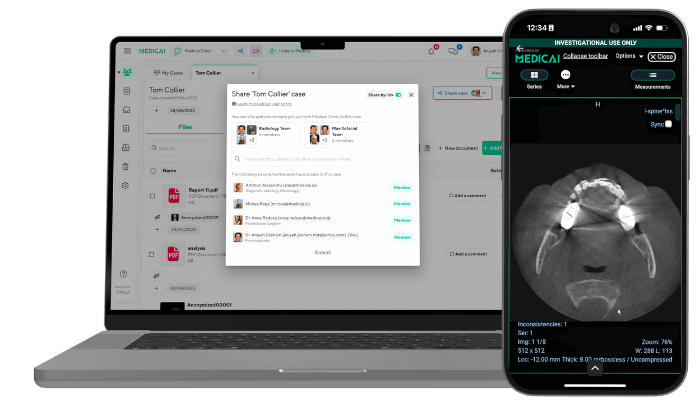
These records can support continuity when several healthcare professionals are involved in care. Broader approaches to medical imaging collaboration similarly focus on helping authorised clinicians review and discuss imaging information across locations.
An ESG patient may interact with an endoscopist, primary care physician, dietitian, nurse practitioner or another specialist. Each professional may need different parts of the clinical record to understand the treatment and make informed recommendations.
Procedural images and reports should be stored securely, retrieved when needed and shared only with authorised individuals.
Patients can ask whether ESG images become part of the electronic health record, how long they are retained and how copies may be shared with another clinician.
Is imaging routinely repeated after ESG?
After an uncomplicated ESG, recovery is usually monitored through symptoms, hydration, food tolerance, weight trends and scheduled follow-up.
Patients generally progress through a staged diet while the stomach adapts and the internal sutures heal. Repeat endoscopy or radiologic imaging is not normally performed at every routine follow-up.
Additional imaging may be considered when:
- Symptoms require further investigation
- The care team needs more information about the stomach’s anatomy
- Recovery is not progressing as expected
- Another clinical question needs to be answered
Persistent vomiting, inability to keep fluids down, fever, bleeding, worsening abdominal or chest pain, difficulty swallowing or shortness of breath should not be assessed solely through a patient portal or virtual visit.
These symptoms require prompt communication with a healthcare professional, who can decide whether an examination, endoscopy or another test is appropriate.
How is progress measured beyond the endoscopic image?
The images captured during ESG can show how the stomach was reshaped, but they cannot independently show whether a patient is developing sustainable habits or experiencing wider health improvements.
Follow-up care may consider weight change, waist circumference, blood pressure, blood glucose, cholesterol, mobility, energy, sleep, hydration, food tolerance and quality of life.
Connected scales and mobile apps can help organise some of this information, while telehealth can make routine discussions more convenient.
These tools serve a different purpose from endoscopic imaging.
Endoscopic images document what happened inside the stomach. Long-term health data helps show how the patient is progressing over time.
Together, they can provide a more complete picture of treatment.
Frequently asked questions
- Is ESG performed with a camera?
Yes. ESG is performed using an endoscope with a light and camera at its tip. The camera transmits live images of the stomach to a high-definition monitor.
- Does ESG require abdominal surgery?
No. ESG is performed through the mouth and does not require abdominal incisions or removal of part of the stomach.
- Why is imaging important during ESG?
Imaging allows the physician to examine the stomach, maintain orientation, guide each suture and observe how the stomach changes during treatment.
- Is a separate endoscopy always needed before ESG?
Not always. In some care pathways, the diagnostic examination may be performed at the beginning of the ESG session. The decision depends on the patient’s history, symptoms and physician judgment.
- Is imaging repeated during recovery?
Not routinely in every case. Additional imaging may be recommended when symptoms, anatomy or recovery concerns require further investigation.
- Can imaging show whether ESG has been successful?
Imaging can show how the stomach was reshaped, but it cannot independently measure long-term success. Weight trends, health markers, food tolerance, behaviour and quality of life also matter.
ESG as a connected care pathway
Endoscopic imaging is central to ESG, but its role changes throughout the treatment journey.
During selection, it can help physicians assess anatomy and investigate relevant concerns. During the procedure, it provides the live view required to place sutures and reshape the stomach. During recovery, additional imaging may help answer specific clinical questions.
Yet even the clearest image cannot choose the right treatment, guarantee an outcome or replace experienced clinical judgment.
ESG is most appropriately understood as part of a connected care pathway combining careful patient selection, advanced endoscopic technology, procedural expertise and long-term support.
In that sense, imaging is not simply a way to look inside the stomach. It is one of the tools physicians use to treat the patient more precisely across the full course of care.
This sponsored article is intended for general educational purposes and does not replace personalised medical advice, diagnosis or treatment.

Related Articles
Lets get in touch!
Learn more about how Medicai can help you strengthen your practice and improve your patients’ experience. Ready to start your Journey?
Book A Free Demo