How Innovation Is Reshaping the Future of Patient Care

When was the last time you sat in a waiting room, flipping through outdated magazines, wondering why healthcare still feels like it’s stuck in the early 2000s? We live in a world where smartwatches can detect heart problems and groceries arrive via drone, yet a basic check-up can take weeks to schedule. It’s not that progress hasn’t happened. It’s that, until recently, healthcare innovation was quietly unfolding behind the scenes—rarely patient-facing, rarely fast.
But that’s changing. The last few years, especially in a post-pandemic world, have fast-tracked how healthcare systems adapt. More than just using new tech, the industry is now rethinking the entire structure of care. It’s moving away from reactive treatment and toward personalized, predictive, and proactive models. Think fewer waiting rooms, more home-based monitoring. Less one-size-fits-all, more “designed for you.”
In this blog, we will share how innovation is reshaping patient care and what it means for the people receiving it, the providers behind it, and the future professionals building the tools that support it.
Where Technology Meets Treatment
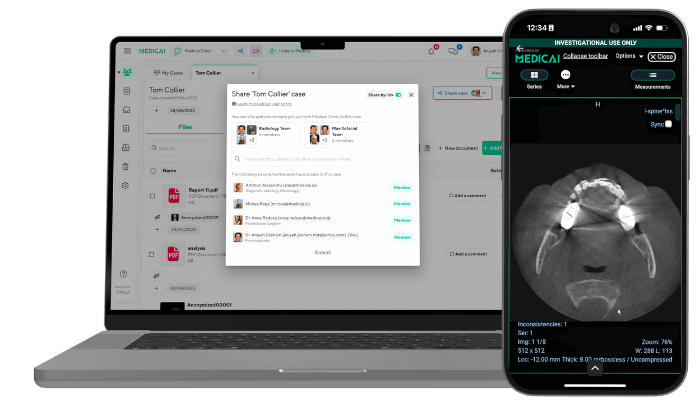
You no longer have to be in a hospital bed to be a patient. Healthcare now happens in your home, your wristwatch, even your smartphone. This shift didn’t happen overnight, but it’s accelerating fast. Remote patient monitoring is now mainstream. Virtual care is normalized. And artificial intelligence is helping diagnose everything from strokes to skin conditions faster than before.
Behind the scenes of this transformation is a growing need for specialists who understand both health and tech. A medical device engineering degree is a key example. It equips professionals with the ability to build, refine, and manage the very tools that modern healthcare runs on. These engineers aren’t just technicians—they’re translators. They turn real-world medical needs into scalable, user-friendly devices.
Think of insulin pumps that auto-adjust dosage. Robotic surgical systems that reduce recovery time. Or wearables that track heart rate variability to predict illness before it begins. All of this is rooted in innovation driven by engineering, data, and a strong understanding of patient care.
Medical care is no longer just clinical—it’s collaborative. Teams now include not only doctors and nurses but designers, engineers, and software developers. Together, they create ecosystems of care that go far beyond traditional treatment rooms.
The Age of Personalized Medicine
Healthcare used to be based on averages. What works for most people? What dosage fits the majority? But now, patients expect something more precise. With genomics, biometrics, and data-driven models, medicine is becoming more tailored than ever before.
Take oncology. Once treated with standard chemo protocols, cancer care now often starts with genetic profiling to understand what therapies work best for a specific tumor. Or consider chronic care management. Instead of following rigid guidelines, doctors can use real-time health data to customize plans.
Devices play a huge role here. From wearable glucose monitors to smart inhalers, innovation allows care to follow patients through their daily lives—not just at scheduled appointments. For the patient, that means better outcomes. For the provider, it means better decision-making.
But there’s more to personalization than algorithms. It also means better design. Tools that feel intuitive. Apps that empower rather than overwhelm. Interfaces built for humans, not just medical professionals. That’s the future we’re heading toward—a more humane form of high-tech care.
Predictive Over Reactive
One of the biggest shifts in healthcare today is the move from treatment to prevention. We know that catching problems early leads to better outcomes. But now, we actually have the tools to do it.
AI models can analyze voice recordings to detect early signs of depression or Parkinson’s. Smart rings and watches can alert users about irregular heart rhythms before symptoms even start. And some hospitals are using machine learning to predict which patients are most likely to be readmitted after surgery—allowing for better support at discharge.
This kind of care is more efficient and less costly. It reduces the burden on emergency departments. It helps clinicians focus on the highest-need patients. And it allows individuals to participate more actively in their own care.
For this to work, though, systems must be interoperable. Data from different devices and platforms needs to be integrated, secure, and accessible. That’s a challenge, but also a huge opportunity for future professionals working at the intersection of healthcare and tech.
Redefining the Patient Role
Gone are the days when patients simply followed instructions. Today’s patients are informed, proactive, and often bring their own research to appointments. Some track their own vitals. Others monitor their medication interactions using apps. Many expect price transparency, easy access to records, and the option to text their doctor.
This isn’t just convenience—it’s a cultural shift. People want care that fits into their lives, not the other way around. They want digital tools that simplify, not complicate. And they expect healthcare to work as smoothly as online banking or food delivery.
That expectation is fueling a wave of innovation in user experience design within healthcare. Appointment scheduling, virtual consultations, lab results—every touchpoint matters. The challenge is creating systems that are both secure and easy to use. It’s a space where design, tech, and health intersect in powerful ways.
Building the Next Generation of Talent
All of this innovation needs people behind it. Not just doctors and nurses, but engineers, product managers, software developers, and policy thinkers. Mastering AI product management involves understanding both technological capabilities and user needs to effectively develop and deploy AI-driven solutions. People who understand regulation, data privacy, user behavior, and emerging tech.
That’s why we’re seeing more interdisciplinary programs emerge. Engineering students learning about healthcare systems. Medical students getting trained in informatics. And new roles like clinical UX designers and digital health analysts becoming more common.
Workforce preparation must catch up with innovation. We need education models that go beyond textbooks. That include simulation labs, cross-sector internships, and real-world projects. The problems of modern healthcare won’t be solved by one field alone.
A Human Future Powered by Tech
Healthcare isn’t just about technology. It never will be. At its core, it’s still about care. About trust, connection, and healing. Innovation doesn’t change that—it just supports it. It clears the clutter so providers can spend more time with patients. It offers faster answers so people can worry less. It brings new tools to old problems, so lives can be longer, better, and more supported.
The future of patient care isn’t flashy. It’s functional. It’s flexible. And it’s deeply human.

Related Articles

Lets get in touch!
Learn more about how Medicai can help you strengthen your practice and improve your patients’ experience. Ready to start your Journey?
Book A Free Demo