Closing the Gaps Between Medical Imaging and Patient Care Coordination

What happens when imaging reports reveal serious health concerns, but communication delays prevent timely patient care? Even advanced diagnostic technology loses value when radiologists, physicians, specialists, and healthcare teams lack access to connected information. This disconnect can delay critical decisions and compromise patient outcomes.
Communication gaps, fragmented records, and delayed follow-ups can disrupt diagnoses and treatment decisions. Effective coordination connects imaging results with timely clinical action through better information sharing and streamlined workflows. Stronger collaboration across healthcare teams ultimately improves efficiency and delivers more patient-centred care.
In this article, we’ll examine communication breakdowns, fragmented systems, workflow silos, and practical strategies for improving radiology coordination.
Why Coordination Between Imaging Centers and Care Teams Often Breaks Down
Despite diagnostic advances, communication gaps between imaging centres and care teams can disrupt treatment. Disconnected systems, incomplete referrals, delayed reports, and unclear follow-up responsibilities can prevent timely information sharing. Staff shortages and fragmented workflows further complicate coordination, especially when patients receive care from multiple providers.
Communication breakdowns carry severe clinical and legal consequences. The Radiological Society of North America highlights that communication errors contribute to 65% of serious adverse events and rise to 80% in malpractice cases. Also, these failures directly harm patients in 38% of incidents, while threatening safety in 52% of reported near-misses.
Addressing Patient Access and Transportation Barriers to Diagnostic Imaging
Transportation difficulties pose a significant yet frequently overlooked barrier to timely diagnostic imaging. These transit hurdles prevent patients from attending scheduled scans or completing essential follow-up procedures.
For older adults, individuals with mobility limitations, and recovering patients, independent travel is often physically unfeasible. Ultimately, when travel issues trigger missed appointments, diagnostic workflows are severely disrupted, treatment plans stall, and overall clinical risks escalate.
Addressing this gap requires proactive logistical support for patients who need assistance travelling. Planning non-emergency medical transportation ensures reliable, specialized travel to imaging centres, hospitals, and specialist appointments.
ACC Medlink notes that non-emergency transport does not mean unimportant, but rather that travel can be planned safely. Scheduled pickups, suitable vehicles, and mapped routes support patients. It serves individuals too medically fragile for ordinary travel.
Better coordination between care teams, patients, and transport providers reduces missed appointments, prevents delays, and streamlines diagnostic workflows.
Connecting Medical Imaging Systems With Broader Healthcare Workflows
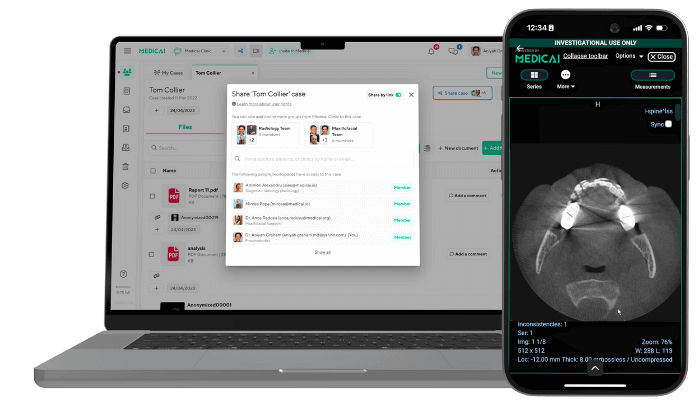
Medical imaging becomes more valuable when diagnostic information flows seamlessly into the broader healthcare system. Integrating Picture Archiving and Communication Systems (PACS) and Radiology Information Systems (RIS) with electronic health records (EHRs) connects diagnostic information.
Physicians can then access medical images, reports, patient histories, and treatment details through unified workflows. This reduces manual data entry, prevents fragmented records, and helps specialists make informed decisions without unnecessary delays.
Radiologist Ali Tejani and IHE co-chair Kent Hutson emphasize at RSNA that interoperability is critical for unifying medical imaging systems. Utilizing DICOM, HL7, and IHE profiles enables seamless data exchange, automates AI findings into reports, and eliminates manual data transfers. Ultimately, successful AI integration relies on collaborative standards over disconnected systems.
Using AI to Improve Diagnostic Communication and Clinical Decision-Making
Artificial intelligence improves communication between radiologists and care teams by identifying urgent findings and accelerating reporting. AI tools flag abnormalities, prioritize imaging studies, and organize diagnostic worklists. Integrating these insights with patient records helps specialists identify critical cases, interpret results, and make informed treatment decisions more efficiently.
A study reported by PubMed involved 1,054 chest radiographs. It found that AI assistance reduced median reporting time by 73.3%, from two minutes to 0.53 minutes. Average turnaround time also dropped from nearly 15 hours to 82 minutes. It demonstrates how integrated AI tools enable faster reporting and more timely clinical decisions.
Improving Follow-Up Care After Medical Imaging Procedures
Completing an imaging procedure is only one step in the diagnostic journey. Patients also need timely explanations of their results, clear follow-up instructions, and guidance on additional tests or specialist consultations. Healthcare providers can strengthen this process through automated reminders, scheduled consultations, and electronic tracking systems that flag pending appointments or unreviewed reports.
Clearly defined follow-up responsibilities help prevent missed diagnostic opportunities and ensure critical findings receive appropriate attention. Regular patient communication further reduces treatment delays and supports continuity of care. This practice bridges gaps in care and delivers a smoother patient journey.
Building a More Connected and Patient-Centric Imaging Infrastructure
A connected imaging infrastructure brings diagnostic technology, patient records, communication systems, and clinical workflows together. Integrating imaging platforms with electronic health records, secure information networks, and patient portals helps care teams access reports, coordinate referrals, share information, and communicate follow-up instructions more efficiently.
The Office of the National Coordinator reports that hospital engagement in interoperable information exchange increased between 2023 and 2025. By 2025, standard data sharing across all four interoperability domains was achieved by 76% of US hospitals. Investing in secure systems and patient-friendly digital tools can reduce information gaps and strengthen clinical collaboration.
Frequently Asked Questions
What causes delays in transferring medical images between hospitals?
Incompatible software architectures between different hospital networks frequently block immediate image transfers. Also, reliance on outdated manual sharing methods, such as burning physical CDs or sending faxes, creates severe bottlenecks. Strict security firewalls and a lack of interoperability standards further hinder swift cross-institutional data exchange.
What challenges arise when transferring imaging records between healthcare systems?
Transferring imaging records between healthcare systems often fails due to incompatible software and missing data standards. These technical silos force providers to rely on manual transfers, physical discs, or faxed reports. Consequently, critical handoffs stall, leading to treatment delays and redundant imaging procedures.
How can imaging centers maintain data accuracy across multiple facilities?
Imaging centers maintain data accuracy across multiple facilities by adopting standardized electronic health record platforms. Implementing centralized picture archiving and communication systems ensures uniform clinical record updates. Regular internal audits across all locations eliminate data discrepancies and protect vital patient data integrity.
Essential Imaging & Care Coordination Metrics
| Communication errors | 65% of serious adverse events involve communication errors. |
| Malpractice cases | Communication errors contribute to 80% of malpractice cases. |
| Patient impact | 38% of radiology communication errors directly harm patients. |
| Near-miss events | 52% of reported near-miss events involve potential patient safety impacts. |
| AI-assisted reporting | 73.3% reduction in median radiology report generation time. |
| AI-assisted turnaround | Average turnaround time was reduced from nearly 15 hours to 82 minutes. |
| Healthcare interoperability | Three-quarters of US hospitals fully participated in all four interoperability metrics by 2025. |
Creating a Seamless Connection Between Diagnosis and Patient Care
Effective medical imaging depends on more than advanced diagnostic equipment and accurate reports. It requires strong coordination between imaging centres, physicians, specialists, transportation providers, and patients to ensure every stage of the diagnostic journey remains connected.
Addressing transportation and accessibility barriers further ensures patients can complete recommended examinations without unnecessary disruptions. Bridging gaps between medical imaging and patient care coordination creates a more efficient healthcare experience and supports informed clinical decisions. It also ensures patients receive timely, continuous, and well-coordinated care.

Related Articles

Lets get in touch!
Learn more about how Medicai can help you strengthen your practice and improve your patients’ experience. Ready to start your Journey?
Book A Free Demo