Why Modern Nurses Need Digital Skills Beyond Clinical Training

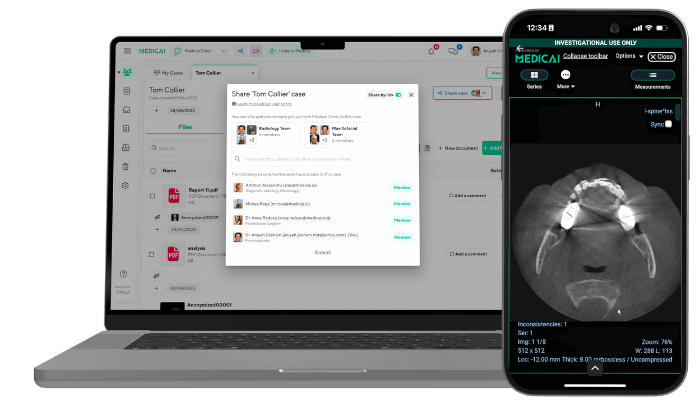
Nurses today are working in healthcare environments shaped heavily by digital technology. Many now use telehealth platforms, electronic health records, remote monitoring systems, and AI-assisted tools during everyday patient care. Their responsibilities increasingly extend beyond traditional clinical duties and into technology-supported communication, coordination, and data management.
This shift is happening as healthcare organizations continue investing in connected digital systems. According to Future Market Insights, over 65% of healthcare providers now invest in digital platforms to improve patient satisfaction and efficiency.
As healthcare becomes more technology-driven, digital literacy is becoming increasingly important for modern nurses. Clinical expertise still remains essential, but nurses are also expected to feel comfortable working with digital systems in fast-changing healthcare environments.
Technology Has Changed Everyday Nursing Work
Nurses today manage far more digital responsibilities than they did even a decade ago. A typical shift may involve updating electronic records, coordinating telehealth appointments, monitoring remote care systems, and communicating across multiple healthcare platforms.
Technology is also helping reduce some of the repetitive duties that often consume valuable time during shifts. The American Nurses Association notes that nurses can spend nearly one-third of their workday handling routine responsibilities.
Tools such as wearable patient-monitoring devices and electronic medication management systems are helping simplify these processes. This gives nurses more time for direct patient care and may also help reduce burnout.
This shift became especially visible during the pandemic, when virtual care and remote collaboration tools expanded quickly. Many healthcare providers realized digital systems were no longer optional conveniences. They had become essential to maintaining continuity of care.
Nurses do not need advanced technical backgrounds, but they do need confidence using healthcare technologies accurately and efficiently.
Digital Literacy Now Shapes Patient Experience
Patients often struggle with fragmented healthcare systems, confusing portals, and unfamiliar remote monitoring tools. Nurses are often the professionals helping them understand these systems and use them correctly.
This role is becoming even more important as telehealth and home-based care continue expanding. Many patients recovering at home now rely on wearable devices, digital follow-up platforms, and remote communication tools to stay connected with providers.
Unfortunately, many healthcare systems are already facing a shortage of nurses with strong digital health skills. A leaked NHS England review warned about a major lack of nurses trained in digital healthcare. The report also highlighted rising demand for professionals familiar with healthcare data systems, digital platforms, and emerging technologies.
For upcoming nurses, this should serve as an important reminder. Developing digital confidence alongside clinical expertise may become increasingly valuable in modern healthcare environments.
Education Is Evolving Alongside Healthcare
Nursing education is changing alongside modern healthcare systems. Employers increasingly look for professionals who understand healthcare technology, care coordination, leadership, and data-driven workflows alongside clinical practice.
This shift is also creating opportunities for individuals from technology and non-nursing backgrounds to enter the healthcare field. For example, direct entry MSN programs allow students without prior nursing experience to transition into nursing through intensive clinical training and hands-on education.
Individuals with technology experience may bring valuable strengths to modern healthcare environments that now depend heavily on digital systems and connected care tools.
Many of these programs emphasize patient safety, leadership development, interdisciplinary collaboration, and real-world clinical decision-making, Elmhurst University notes. Some pathways may also support future specialization through advanced certifications or nursing practice programs.
Flexible online learning options are further helping working professionals upskill while contributing to the growing digital transformation of healthcare systems.
AI Is Expanding Nursing Responsibilities
Artificial intelligence is beginning to influence nursing workflows in practical ways. Hospitals now use AI-assisted scheduling systems, predictive analytics, automated documentation tools, and patient monitoring platforms to improve efficiency and identify risks earlier.
Healthcare experts increasingly believe nurses should understand how these systems work rather than simply use them. An article published by Cancer Nursing Today noted that incorporating AI competencies into nursing education is becoming important for improving quality in oncology care. The article also emphasized the need for critical thinking and ethical awareness alongside technical knowledge.
AI tools may support triage, symptom monitoring, and clinical documentation, but they still require human oversight. Nurses must interpret information carefully, identify inaccuracies, and understand the limitations of automated systems. Technology can support decision-making, but empathy, communication, and contextual judgment still remain deeply human responsibilities.
The Human Side of Care Still Matters Most
One common misconception about digital healthcare is that technology reduces the importance of personal interaction. In reality, human communication often becomes even more valuable as healthcare systems grow more technical.
Patients may appreciate the convenience of telehealth platforms, online portals, and remote monitoring tools, but many still feel overwhelmed by unfamiliar healthcare processes.
This is where nurses continue playing a critical role. Nurses are often the professionals guiding patients through virtual appointments, explaining digital instructions, and helping them feel more comfortable using healthcare technologies. A calm conversation or clear explanation can make complicated systems feel far less stressful for patients and families.
Healthcare technology may improve efficiency, but trust still depends heavily on human connection. As digital healthcare continues expanding, nurses with both technical confidence and strong communication skills will become increasingly valuable. Empathy and human connection will still remain essential in modern healthcare environments.
FAQs
What digital skills does a nurse need?
Modern nurses need skills related to electronic health records, telehealth systems, and digital communication platforms. They should also understand remote monitoring tools and healthcare data systems. Strong digital literacy can help nurses work more efficiently in technology-driven healthcare environments.
What is a digital healthcare system?
A digital healthcare system uses technology to support patient care, communication, and healthcare management. These systems may include telehealth platforms, electronic records, wearable monitoring devices, and AI-assisted tools. They help healthcare providers improve efficiency, coordination, and patient access to care.
What is the future of AI in nursing?
AI will likely continue supporting nurses through predictive analytics, automated documentation, and patient monitoring systems. These tools may help reduce repetitive administrative work and improve workflow efficiency. However, nurses will still remain essential for patient communication, empathy, and clinical judgment.
Key Takeaways on Digital Skills in Nursing
| Healthcare providers investing in digital platforms | Over 65% of healthcare providers now invest in digital platforms to improve efficiency and patient satisfaction. |
| Nursing time spent on routine tasks | Nurses can spend nearly one-third of their shifts handling repetitive responsibilities. |
| Shortage of digitally skilled nurses | A leaked NHS England review warned about a major shortage of nurses with digital health expertise. |
Healthcare technology now shapes nearly every part of patient care, from communication and diagnostics to remote monitoring and treatment coordination. Nurses work within these systems daily, making digital literacy an increasingly important part of modern clinical practice.
At the same time, healthcare still depends heavily on trust, empathy, and clear communication. The most effective nurses are not simply those with strong technical knowledge or strong bedside skills alone. They are professionals who can combine both in meaningful ways.
As healthcare continues shifting toward connected and data-driven care models, nurses who adapt to these changes will become increasingly valuable. They will likely play a bigger role in improving patient experiences and care outcomes.

Related Articles
Lets get in touch!
Learn more about how Medicai can help you strengthen your practice and improve your patients’ experience. Ready to start your Journey?
Book A Free Demo