Page 7 of 22 – Recent Articles
458 posts
Oncology PACS: The Future of Cancer Imaging and Treatment

Oncology PACS: The Future of Cancer Imaging and Treatment Cancer doesn’t wait—so why should imaging? With cancer cases rising and imaging data growing exponentially, oncologists need a faster, smarter way to manage medical images. Enter Oncology PACS! Oncology PACS is a specialized imaging solution for storing, retrieving, and sharing...

Interventional Radiology: Safe, Fast & Effective Procedures
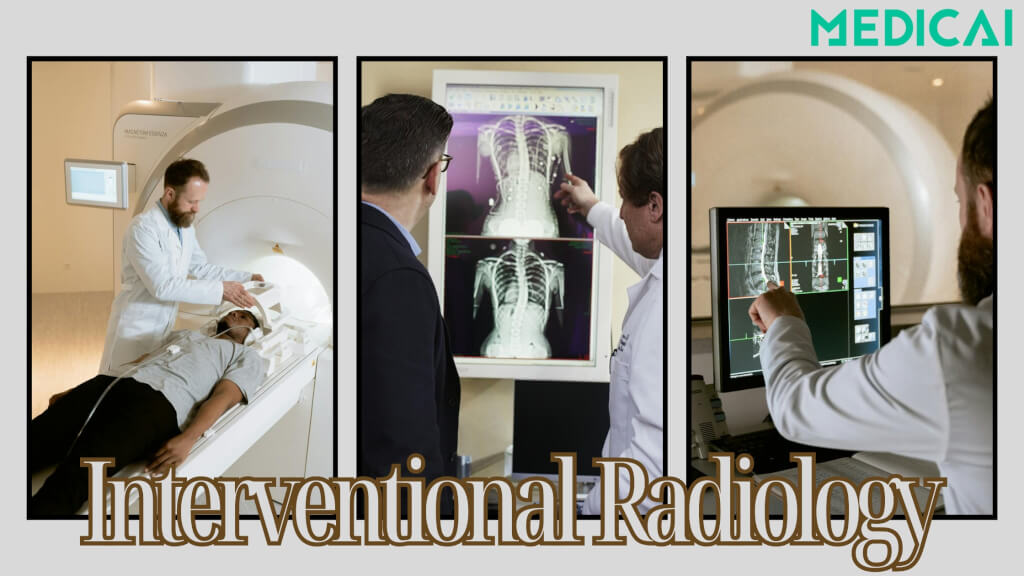
Interventional Radiology: Safe, Fast & Effective Procedures What if life-saving treatments no longer required large incisions, long hospital stays, or weeks of painful recovery? Interventional radiology (IR) is making that a reality. Interventional radiology (IR) is a medical specialty that uses image-guided, minimally invasive techniques to diagnose...

Benign vs Malignant: Is Your Tumor Cancerous?
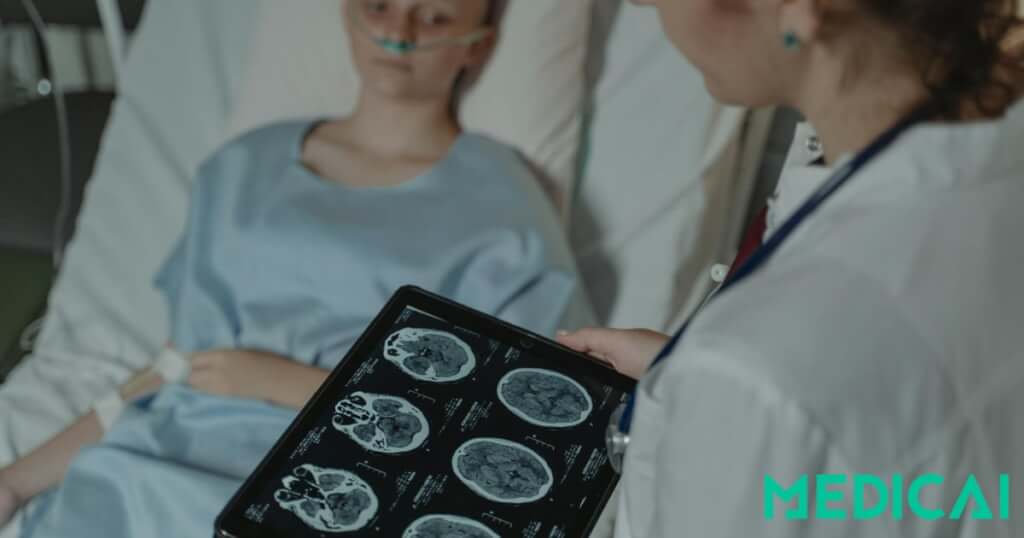
Benign vs Malignant: Is Your Tumor Cancerous? Finding out you have a tumor raises one question first: is it cancer? Tumors are abnormal growths of cells in the body. Not all tumors are cancerous. While some are harmless, some can be aggressive and life-threatening. Benign tumors are...

DICOM Viewer: The Secret Weapon for Personal Injury Cases

DICOM Viewer: The Secret Weapon for Personal Injury Cases In personal injury law, medical evidence can make or break a case. However, relying on slow hospital processes, outdated CDs, or unclear medical reports can hinder progress and weaken legal arguments. That’s where a DICOM viewer for personal injury lawyers...

Remote Radiology: How Radiologists Are Embracing Work-from-Home Models
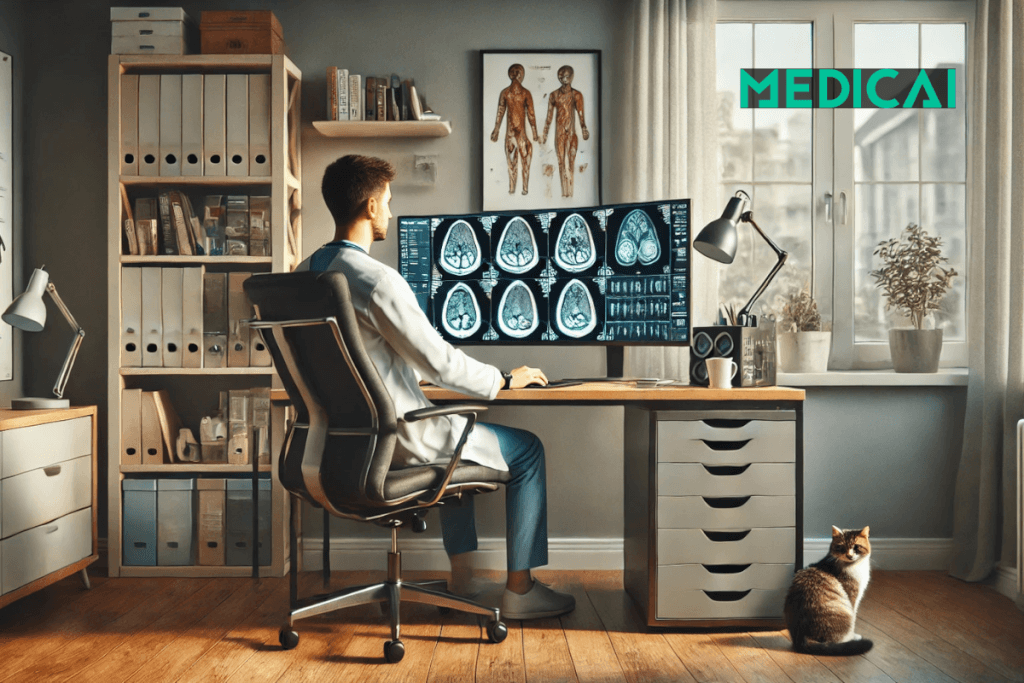
Remote Radiology: How Radiologists Are Embracing Work-from-Home Models Can radiologists work from home? Teleradiology allows radiologists to work from home and interpret X-rays, CT scans, MRIs, and other medical images remotely. Using secure PACS systems, cloud-based platforms, and AI-assisted diagnostics, remote radiologists can provide expert reports from anywhere....

How PACS Integration, DICOM, and HL7 Impact Radiology Workflow from Order to Report
How PACS Integration, DICOM, and HL7 Impact Radiology Workflow from Order to Report PACS integration is the technical layer that connects PACS with RIS, EHR, HIS, and imaging modalities so that patient identity, orders, images, and reports remain synchronized throughout the radiology workflow, using standardized protocols like DICOM and HL7. A radiology workflow...

Cardiology PACS vs. Radiology PACS: Why Specialized CVIS Integration Matters
Cardiology PACS vs. Radiology PACS: Why Specialized CVIS Integration Matters Precision is the baseline in modern healthcare, but efficiency is the differentiator. While many institutions attempt to shoehorn cardiac imaging into general Radiology systems, the reality is distinct: The heart is dynamic, and your imaging system must be too. A...

Medical Image Sharing for Lawyers: Evidence, Chain of Custody, and Case Strategy
Medical Image Sharing for Lawyers: Evidence, Chain of Custody, and Case Strategy Medical imaging is among the strongest evidence available in personal injury, medical malpractice, and workers’ compensation litigation, because it documents injury objectively rather than through testimony that opposing counsel can challenge. An MRI showing a herniated disc is harder to...

AI For Oncology Imaging: Early Detection, Better Outcomes
AI For Oncology Imaging: Early Detection, Better Outcomes Cancer detection and treatment are undergoing a radical transformation, and AI is at the heart of this evolution. With its ability to analyze complex imaging data, AI is helping oncologists detect cancer earlier, more accurately, and more efficiently than ever...

How PACS and RIS Systems Improve Imaging Workflows in Healthcare
How PACS and RIS Systems Improve Imaging Workflows in Healthcare Imagine a radiologist receiving an urgent case at 3 AM. Instead of wrestling with slow servers and missing files, she instantly accesses high-resolution brain scans on her tablet, collaborates with specialists across the hospital, and delivers a life-saving diagnosis in...

What is DICOM Viewer Functionality? Key Features You Need to Know
What is DICOM Viewer Functionality? Key Features You Need to Know A DICOM viewer isn’t just a tool—it’s the gateway to precise diagnostics, streamlined workflows, and better patient care. However, what does a strong and smart DICOM viewer offer? It’s DICOM viewer functionality. DICOM viewer functionalities include tools for viewing, analyzing,...

Why Enterprise Radiology Is the Future of Healthcare
Why Enterprise Radiology Is the Future of Healthcare Every minute matters when a stroke patient arrives in the ER. As doctors race against time, they can’t afford to wait for critical brain scans stuck in transit between hospitals. While medical imaging has revolutionized disease diagnosis and treatment, outdated...

Why Telehealth Workflow Matters: Strategies for Better Virtual Care
Why Telehealth Workflow Matters: Strategies for Better Virtual Care Have you ever had a frustrating telehealth experience—dropped calls, endless paperwork, or mismanaged follow-ups? While virtual care has transformed healthcare, a poorly structured telehealth workflow can create more problems than solutions. A strong telehealth workflow is the backbone of virtual...

Can AI Improve Neurology Imaging? The Latest Advances in Brain Science
Can AI Improve Neurology Imaging? The Latest Advances in Brain Science AI is transforming neuroimaging by enhancing MRI, CT, PET, and EEG analysis with unmatched speed and accuracy. It detects tumors, strokes, and neurodegenerative changes early, assists radiologists in diagnostics, and personalizes treatment through predictive analytics, improving precision, efficiency, and patient...

The Future of Radiology: Large Language Models in Structured Reporting
The Future of Radiology: Large Language Models in Structured Reporting The days of ambiguous reports are gone—Structured Radiology Reporting (SRR) in radiology guarantees every detail is clear, concise, and actionable. Now, imagine pairing SRR with the power of cutting-edge AI. Enter the large language models (LLMs) application, the transformative technology...

EHR vs EMR: Key Differences, Definitions, and Which to Choose
EHR vs EMR: Key Differences, Definitions, and Which to Choose Electronic Medical Records (EMR) and Electronic Health Records (EHR) store patient data electronically; however, they serve distinct purposes that affect how healthcare providers manage and share medical information. As healthcare transitions to a digital future, it’s essential to understand its...

DICOM in Teleradiology: How the Standard Enables Remote Image Reading
DICOM in Teleradiology: How the Standard Enables Remote Image Reading DICOM is the technical standard that makes teleradiology possible — it defines how medical images are formatted, packaged with patient and study metadata, transmitted across networks, and rendered in viewers regardless of which manufacturer made the modality or which platform...

What Can an EEG Show That an MRI Cannot?
What Can an EEG Show That an MRI Cannot? EEG and MRI do not measure the same thing. EEG records electrical activity in the brain, while MRI shows brain structure. That is why EEG can detect seizure-related activity and timing patterns that MRI may not show, while MRI can...

EHR Advantages and Disadvantages: Benefits, Risks, and What Healthcare Providers Need to Know
EHR Advantages and Disadvantages: Benefits, Risks, and What Healthcare Providers Need to Know Electronic health records (EHR) are digital systems that store, retrieve, and share patient health information across multiple providers and care settings. EHR adoption in US hospitals exceeds 96% as of 2024, making them the operational backbone of most healthcare organisations....

AI-Powered Radiology: Smarter Structured Reporting
AI-Powered Radiology: Smarter Structured Reporting What if radiology reports could deliver not just results but faster decisions and better outcomes? Well, AI-driven structured radiology reporting (SRR) indeed promises to fulfill this goal, where advanced technology meets precision care. In 2022, structured reporting (SR) was used...

Top 10+ AI Solutions for Transforming Diagnostics Today
Top 10+ AI Solutions for Transforming Diagnostics Today Picture a world where diseases are detected early, radiologists and pathologists have advanced tools to identify hidden issues, and rapid diagnostics save lives daily. That world is no longer a vision of the future—thanks to AI for medical diagnosis, it’s...