The Growing Role of Telehealth in Neurological Rehabilitation Services

Telehealth has become a major part of modern healthcare delivery, especially in areas that require continuous monitoring and long-term patient engagement. Neurological rehabilitation services are among the fields experiencing significant changes through remote care technologies.
Patients recovering from stroke, Parkinson’s disease, multiple sclerosis, and other neurological conditions need ongoing therapy sessions and coordinated treatment plans.
Traditional care models can create barriers for patients who face mobility limitations, transportation issues, or limited access to specialists. Digital healthcare platforms are helping providers deliver neurological rehabilitation services more efficiently while improving patient participation.
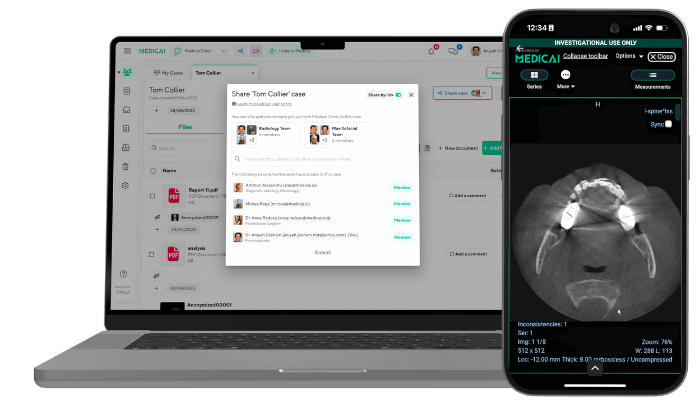
Remote consultations, virtual therapy sessions, and cloud-based access to imaging are making rehabilitation more accessible to both patients and healthcare professionals. As healthcare systems continue investing in digital infrastructure, telehealth is becoming a practical extension of neurological care.
A Rapidly Expanding Care Delivery Model
Telehealth in rehabilitation is not new, but its clinical footprint has expanded dramatically. Telerehabilitation dates back to the 1960s and early 1970s, when documented effective interventions focused largely on therapies for speech disorders.
It has since re-emerged as a distinct subdiscipline of telehealth. What changed its trajectory permanently was COVID-19, which made remote care not just convenient but necessary.
The rapid expansion of telehealth interventions in neurosciences has led tele-neurorehabilitation to emerge as an independent subspecialty within both neurosciences and telehealth. The infrastructure built during the pandemic has not been dismantled; it has been refined, expanded, and normalized.
With the rapid deployment of telehealth interventions in neurosciences, tele-neurorehabilitation has evolved into a distinct subspecialty within digital healthcare. Hospitals, rehabilitation centers, and outpatient clinics invested heavily in remote care platforms capable of supporting multidisciplinary treatment plans.
They now deliver virtual therapy sessions and real-time patient monitoring. These investments also encouraged the broader adoption of interoperable healthcare systems, improving communication among neurologists, therapists, radiologists, and rehabilitation teams.
Why Neurological Rehabilitation Requires Continuous Access
Neurological rehabilitation requires long-term and highly coordinated care because recovery from these conditions rarely follows a predictable timeline. Many patients need ongoing support from neurologists, physical therapists, occupational therapists, and speech-language specialists to manage changes in communication and cognitive function.
Consistent access to rehabilitation services plays an important role in helping patients maintain progress and avoid setbacks during recovery.
Speech and communication therapy is especially important for patients affected by neurological damage that affects language processing or swallowing. Here, speech pathologists can become extremely useful for therapies.
According to Ithaca College, they are acquainted with language disorders, augmentative communication, adult aphasia, and more. All these give them a better understanding of the root cause and personalize therapy accordingly.
As rehabilitation services continue expanding through digital healthcare platforms, training programs are also adapting to prepare clinicians for remote care delivery. Some speech pathology schools now include telepractice and virtual therapy methods in their curricula.
Online education and telehealth are collectively reducing many barriers to ongoing neurological rehabilitation. This continuity allows healthcare providers to adjust treatment plans more efficiently and maintain regular communication with patients throughout the rehabilitation process.
Barriers to Access That Telehealth Is Helping Solve
For many people living with neurological conditions, getting to care has always been the hardest part. Community neurorehabilitation helps individuals with progressive neurological conditions control their symptoms and maintain an active, meaningful life. However, geography, mobility limitations, transport costs, and long wait times are persistent obstacles, particularly in rural and underserved areas.
Research on progressive neurological conditions found that patients in Northern Ireland faced systemic access barriers. These barriers were not about willingness to engage; they were structural. Telehealth addresses exactly this kind of structural inequity.
“Telemedicine is redefining where and how rehabilitation can occur, yielding numerous benefits for patients, providers, and health systems,” Zen KOH, a businessman from the field, said.
Telerehabilitation is becoming an effective solution for reducing geographical, financial, and logistical challenges associated with rehabilitation services. This is especially true in low- and middle-income countries, where infrastructure for in-person services is often inadequate or nonexistent.
Remote Monitoring and Patient Engagement
Patient engagement remains one of the most important factors in successful neurological rehabilitation. Many rehabilitation plans require patients to perform exercises consistently between therapy sessions. Telehealth tools are helping providers maintain stronger communication with patients throughout the recovery process.
Wearable devices, mobile applications, and connected monitoring systems can track movement patterns, balance, speech progress, and cognitive exercises remotely. Healthcare providers can review patient activity data and identify early signs of declining performance or reduced adherence to therapy plans.
Remote engagement tools also allow clinicians to provide encouragement and education outside scheduled appointments.
Use of artificial intelligence (AI) for personalization and analytics is further improving patient engagement. The global AI in telehealth and telemedicine market is projected to reach $27.14 billion by 2030. It would grow at a CAGR of 36.4% from 2025 till then.
Growth is driven by an aging population, the increasing prevalence of chronic conditions, physician shortages, and advancements in telecommunication technologies.
Frequently Asked Questions
What role does artificial intelligence play in tele-neurorehabilitation?
Artificial intelligence is increasingly being used to analyze patient performance data, identify recovery trends, and support personalized rehabilitation planning. AI-powered systems can assist clinicians by detecting changes in movement, speech patterns, or cognitive function that may not be immediately visible. These technologies may help improve long-term treatment precision and patient monitoring capabilities.
What technologies are commonly used in tele-neurorehabilitation?
Tele-neurorehabilitation programs typically rely on secure video conferencing platforms, cloud-based patient record systems, remote monitoring devices, and digital imaging access tools. Some advanced programs also incorporate virtual reality rehabilitation exercises, AI-assisted therapy software, and motion tracking systems. These allow clinicians to evaluate patient progress remotely with greater accuracy.
How do wearable devices support tele-neurorehabilitation programs?
Wearable devices help clinicians monitor patient activity levels, movement patterns, balance, and physical progress outside traditional clinical settings. These devices can collect real-time health data that allows rehabilitation specialists to identify potential setbacks earlier and make faster treatment adjustments. Remote monitoring tools also help patients remain engaged with rehabilitation plans between scheduled therapy sessions.
Key Telehealth and Neurorehabilitation Insights
| History of telerehabilitation | Remote rehabilitation programs date back to the 1960s and 1970s |
| AI in the telemedicine market growth | AI in telehealth and telemedicine is projected to reach $27.14 billion by 2030 |
| Healthcare infrastructure trend | Hospitals and clinics continue expanding hybrid virtual and in-person rehabilitation models |
| Common conditions supported by teleneurorehabilitation | Stroke, Parkinson’s disease, multiple sclerosis, and other neurological disorders |
Telehealth is changing how neurological rehabilitation services are delivered across healthcare systems worldwide. Remote consultations, digital therapy platforms, cloud-based imaging access, and connected monitoring tools are helping providers improve accessibility and continuity of care.
The growing adoption of telehealth also reflects broader changes in healthcare infrastructure, clinical education, and patient expectations. Rehabilitation services are becoming more connected, data-driven, and accessible through digital technologies that support both providers and patients.

Related Articles

Lets get in touch!
Learn more about how Medicai can help you strengthen your practice and improve your patients’ experience. Ready to start your Journey?
Book A Free Demo