Why Trust Matters More Than Ever in Digital Healthcare

Healthcare has become deeply digital over the last decade. Patients now schedule appointments online, access medical records through portals, and share imaging files across hospitals without carrying physical CDs or paperwork. According to the Organisation for Economic Co-operation and Development, online digital health service availability reached 82% in 2024.
At the same time, healthcare providers increasingly rely on cloud platforms, AI-assisted workflows, and connected systems to manage rising patient demands. These technologies promise faster diagnoses and smoother collaboration. At the same time, they raise an important question about whether patients can truly trust that their information is safe.
Trust has quietly become one of the most important factors shaping modern healthcare technology. People may appreciate convenience, but they also want reassurance that the systems handling their personal data are secure, transparent, and accountable. As healthcare organizations continue adopting digital tools, maintaining that trust is becoming just as important as improving efficiency.
Digital Convenience Comes With New Expectations
The healthcare industry spent years modernizing outdated systems. Many hospitals still relied on fragmented imaging software, slow file-sharing processes, and disconnected patient records well into the 2010s. Those inefficiencies often created delays that affected both providers and patients.
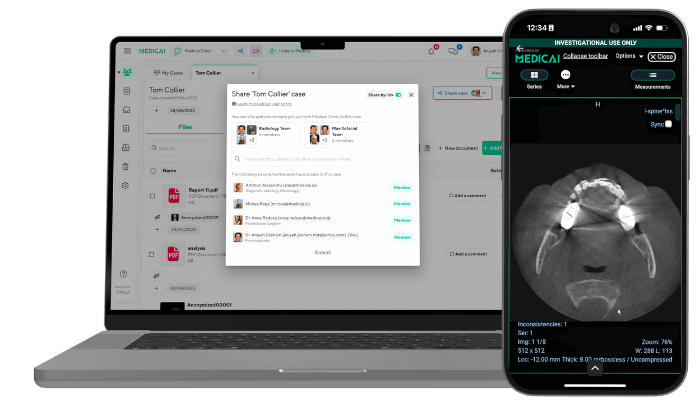
Cloud-based imaging platforms and interoperable systems have helped improve many of these challenges. Radiologists can now review scans remotely, specialists collaborate faster, and patients often receive results sooner. In emergencies, even small reductions in transfer time can influence treatment decisions.
Confidence in digital healthcare has grown alongside these improvements. A report from the BMJ Future Health Commission found that 80% of European healthcare professionals believe digital health technology has improved care delivery. Additionally, 76% remain optimistic about healthcare’s digital future.
But convenience also changes expectations. Patients now expect healthcare platforms to feel secure, reliable, and transparent. Healthcare technology companies are now judged not only by medical outcomes, but also by how responsibly they handle patient data and digital communication.
Why Trust Cannot Be Treated as a Secondary Feature
Healthcare data is intensely personal. Medical imaging, diagnostic reports, treatment histories, and physician notes contain information most people would never willingly expose publicly. A single security failure can damage not only a company’s reputation but also patient confidence in digital healthcare itself.
This is one reason cybersecurity has become central to healthcare innovation discussions. Hospitals and imaging centers now face ransomware threats, phishing attacks, and data breaches at a scale few anticipated years ago. According to IBM’s annual Cost of a Data Breach report, healthcare has remained the costliest industry for data breaches globally for more than a decade.
The challenge becomes even more complicated when healthcare systems need to exchange information across multiple providers. Interoperability improves collaboration, but every connected system increases the need for careful access management and monitoring.
Patients may not understand the technical architecture behind cloud imaging platforms, but they do understand whether an organization appears trustworthy. Clear communication, secure infrastructure, and responsible data handling all shape public perception.
AI Has Increased Both Opportunity and Skepticism
Artificial intelligence has become one of the biggest drivers of healthcare innovation. AI tools now help prioritize urgent scans, automate repetitive tasks, improve workflows, and support faster clinical decisions.
Moreover, experts from Boston Consulting Group predict major growth in healthcare AI agents in 2026. Providers are looking for better ways to manage rising workloads and staffing pressure.
Still, patients and healthcare professionals remain cautious about overreliance on automation. Most people are comfortable with AI supporting medical professionals. They become less comfortable when technology feels opaque or difficult to question.
That skepticism is not unique to healthcare. Public conversations around digital accountability are happening across many industries. Concerns involving online safety, platform responsibility, and automated moderation have fueled legal scrutiny in broader technology spaces, including discussions surrounding the Roblox lawsuit.
Here, the issue largely revolves around whether online platforms are doing enough to maintain safe digital environments for users. While the industries are very different, the underlying concern is similar. According to TorHoerman Law, cases like these reflect growing public expectations around platform accountability and responsible digital practices.
Users increasingly expect digital platforms to protect people responsibly rather than simply operate efficiently.
Human Oversight Still Matters
One of the biggest misconceptions surrounding healthcare AI is the idea that automation removes the need for human involvement. In reality, most successful healthcare systems rely on collaboration between technology and trained professionals rather than replacement.
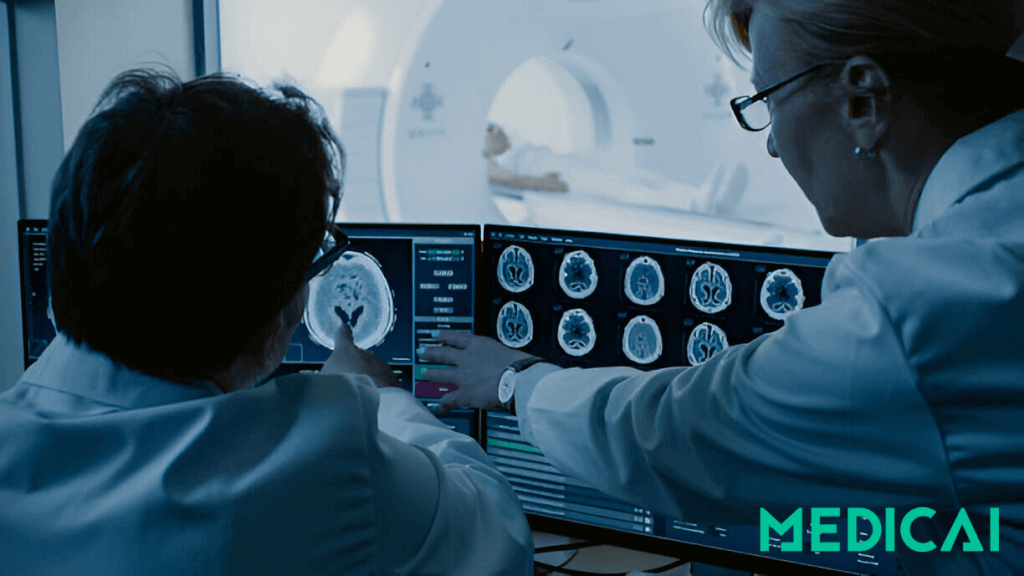
Radiologists still validate imaging findings. Physicians still interpret patient histories and symptoms within broader clinical contexts. AI can help identify patterns quickly, but medicine rarely operates in absolutes. Human judgment remains essential when cases become complicated or uncertain.
This balance matters for another reason: accountability. Patients want to know that qualified professionals remain involved in important medical decisions. Fully automated systems may sound efficient in theory, but they can also create anxiety if people feel there is no meaningful oversight.
Healthcare organizations that communicate this balance clearly often build stronger trust with patients. Technology works best when it supports human expertise instead of trying to disappear behind it.
FAQs
What are the types of digital health?
Digital health includes telemedicine, wearable devices, electronic health records, mobile health apps, and AI-assisted diagnostic systems. Remote patient monitoring has also become increasingly common in hospitals and home care. Many healthcare providers now combine several digital tools within connected care platforms.
What are the benefits of digital healthcare?
Digital healthcare can improve access to medical services, especially for patients in remote or underserved areas. It also supports faster communication, streamlined record sharing, and better coordination between healthcare professionals. Many digital systems help reduce delays, administrative workload, and unnecessary hospital visits.
What is the future of digital healthcare?
The future of digital healthcare will likely focus on artificial intelligence, predictive analytics, and more personalized treatment approaches. Healthcare systems are also expected to expand remote monitoring and connected care services significantly. At the same time, cybersecurity and patient trust will become increasingly important priorities.
Digital Healthcare and Trust in Numbers
| Digital health service availability | The OECD reported that online digital health service availability reached 82% in 2024 |
| Healthcare professionals’ views on digital health | 80% of European healthcare professionals believe digital health technology has improved care delivery |
| Optimism about healthcare’s digital future | 76% of healthcare professionals remain optimistic about the future of digital healthcare |
| Healthcare data breach costs | IBM reports that healthcare has remained the costliest industry for data breaches globally for more than a decade |
| AI in healthcare | Boston Consulting Group predicts major growth in healthcare AI agents in 2026 as providers manage rising workloads and staffing pressure |
As healthcare becomes more connected, digital systems are expanding beyond simple record storage or online scheduling. Modern platforms now support imaging collaboration, AI-assisted diagnostics, remote consultations, and real-time data sharing. These advances can improve efficiency and expand access to care. They also place greater responsibility on organizations managing these systems.
Patients want convenience, but they also want reassurance. They expect healthcare providers to protect sensitive information and explain how technology is being used. Many patients also expect meaningful human oversight during care decisions.
Trust is no longer just a side benefit of healthcare technology. It has become part of the product itself. Companies recognizing this shift early may shape digital healthcare more successfully than competitors focused only on automation or speed.

Related Articles


Lets get in touch!
Learn more about how Medicai can help you strengthen your practice and improve your patients’ experience. Ready to start your Journey?
Book A Free Demo