Medical Image Management in Legal Processes
4 posts
Read MoreHow Personal Injury Lawyers Use AI-Powered PACS and DICOM Imaging to Build Stronger Cases

How Personal Injury Lawyers Use AI-Powered PACS and DICOM Imaging to Build Stronger Cases This guide is written for personal injury lawyers and legal teams evaluating how AI-integrated PACS and DICOM imaging tools can strengthen injury evidence, accelerate case preparation, and support damage calculations. A single image can shape the outcome of a personal...

Read MoreHIPAA-Compliant Medical Imaging Sharing: Essential Knowledge for Personal Injury Attorneys
HIPAA-Compliant Medical Imaging Sharing: Essential Knowledge for Personal Injury Attorneys Medical images can make or break a personal injury case. However, handling them the wrong way can land your firm in serious legal trouble. Attorneys must manage HIPAA regulations while crafting evidence-based arguments. They must also understand Protected Health Information...

Read MoreFrom Standard to Smart: Why One-Size-Fits-All Doesn't Work in Medical Imaging
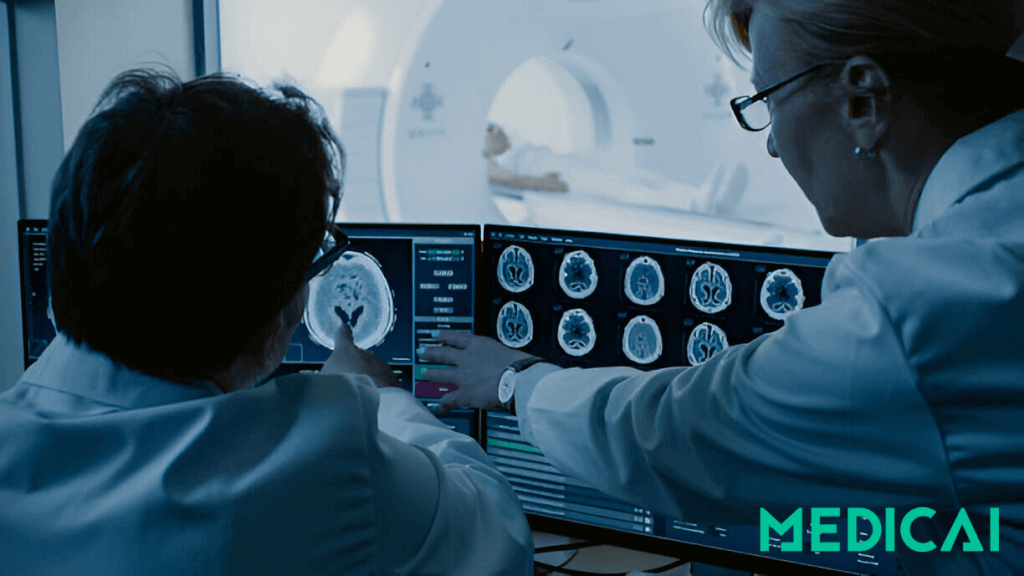
From Standard to Smart: Why One-Size-Fits-All Doesn't Work in Medical Imaging What if the very tools designed to support radiologists are limiting their potential? A one-size-fits-all approach doesn’t work in medical imaging because it cannot accommodate real patients and radiologists’ diverse anatomical, pathological, and workflow needs. Standard protocols ignore critical variables...

Read MoreMaking Sense of Complex Injuries: Multi-Modality Viewing in Personal Injury Lawsuits

Making Sense of Complex Injuries: Multi-Modality Viewing in Personal Injury Lawsuits A single scan can tip the scales of justice in a courtroom battle. However, when injuries are complex, one scan isn’t enough. Multi-modality imaging enhances personal injury cases by combining X-rays, MRIs, CT scans, and ultrasounds and analyzing them together...