5 ways hospitals cut expenses on infrastructure & improve care quality

Hospitals constantly face the challenge of balancing budgets while providing patients with high-quality care. One way to achieve this is by cutting spending on infrastructure, which can free up resources for other vital areas such as staffing, equipment, and technology. Here are five ways that hospitals can cut spending on infrastructure and improve the quality of care:
- Implementing telemedicine: Remote consultations between patients and medical professionals are made possible via telemedicine, which can lessen the necessity for in-person visits and the number of hospitalized patients. Patients in remote or underserved locations now have easier access to care, eliminating the need for physical infrastructure like waiting rooms and exam rooms. Telemedicine can also enhance the continuity of treatment and lower readmission rates, saving the hospital money in the long run.
- Investing in data analytics: Hospitals can target inefficiencies and waste in their operations by using data analytics to find where they are occurring. For instance, hospitals can find ways to shorten patients’ stays by evaluating data on patient duration of stay, which can free up beds and lessen the need for extra infrastructure. Hospitals can also target overspending areas on supplies and equipment by using data analytics to find areas of savings.
- Embracing the cloud: By enabling hospitals to store and access data and applications remotely rather than maintaining on-premise servers and storage, cloud computing can help hospitals lower their IT infrastructure expenditures. Cloud computing may also increase data security and give IT systems more adaptability and scalability.
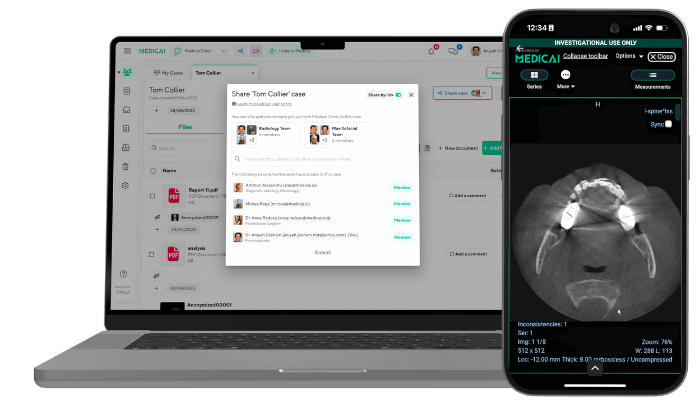
- Utilizing mobile technology: Hospitals may find themselves using fewer desktops and laptops due to mobile technologies, such as smartphones and tablets, which can assist in cutting expenses for hardware, support, and maintenance. Additionally, mobile technology can enhance provider collaboration and communication, boost care delivery efficiency, and eventually result in cost savings.
- Outsourcing non-core functions: Hospitals can cut costs by contracting with outside companies to handle non-core duties like facility management. Hospitals can save money on labor and infrastructure by outsourcing these tasks so they can concentrate on providing quality patient experience.
In conclusion, hospitals can cut spending on infrastructure and improve the quality of care by implementing telemedicine, investing in data analytics, embracing the cloud, utilizing mobile technology, and outsourcing non-core functions. These strategies can help hospitals reduce costs, improve efficiency and access to care, and ultimately benefit patients.
It is worth mentioning that these strategies should be implemented with care and a long-term approach, as they must align with the hospital’s vision and goals and with the patient’s needs. Additionally, it is essential to consider the regulatory and compliance requirements, the potential impact on the workforce and the necessary investments to implement the changes.

Related Articles



Lets get in touch!
Learn more about how Medicai can help you strengthen your practice and improve your patients’ experience. Ready to start your Journey?
Book A Free Demo