Data Security and Interoperability

The category focuses on the critical aspects of safeguarding medical data and ensuring seamless data exchange across healthcare systems. Articles in this category explore best practices for protecting patient information, complying with regulations like HIPAA and GDPR, and addressing cybersecurity threats in the medical field. Additionally, it covers the importance of interoperability in enabling efficient data sharing between healthcare providers, improving care coordination, and fostering innovation through the integration of advanced technologies and healthcare platforms.

52 posts
Read MoreSpecialty PACS Market: Trends, Growth, and Key Insightspacs integration Specialty PACS Market: Trends, Growth, and Key Insights Medical imaging is the heartbeat of modern healthcare, yet managing massive volumes of data across different specialties is a growing challenge. In such cases, the specialty PACS market can be the solution you need. Unlike general PACS, specialty PACS are... By Andrei Blaj Oct 1, 2025

Read MoreHow to Implement PACS in Urgent Care — Configuration, EHR Integration, and Best Practicesurgent care pacs How to Implement PACS in Urgent Care — Configuration, EHR Integration, and Best Practices This guide covers the technical implementation of PACS in an urgent care environment — DICOM modality configuration, EHR and RIS integration via HL7 and FHIR, data migration from legacy systems, go-live planning, and KPI monitoring — for radiology IT professionals... By Andrei Blaj Aug 14, 2025
Read MoreHow to Convert DICOM to JPEG in Minutesconvert dicom to jpeg How to Convert DICOM to JPEG in Minutes Fastest way to convert DICOM to JPEG or JPG The DICOM to JPEG process extracts and window-levels the raw pixel data, then compresses it into a standard JPEG file. This process preserves key diagnostic details while making images instantly viewable... By Andrei Blaj Jul 30, 2025
Read MoreSecure Cloud PACS to Bridge Between Medical Specialists and Attorneyscloud pacs for lawyers Secure Cloud PACS to Bridge Between Medical Specialists and Attorneys A spine scan could make or break your case, but only if you can access it quickly. For attorneys handling injury claims or doctors coordinating care, fast and secure access to medical images isn’t optional; it’s essential. Yet, outdated systems... By Andrei Blaj Apr 17, 2025

Read MoreHow PACS Integration, DICOM, and HL7 Impact Radiology Workflow from Order to Reportpacs integration How PACS Integration, DICOM, and HL7 Impact Radiology Workflow from Order to Report PACS integration is the technical layer that connects PACS with RIS, EHR, HIS, and imaging modalities so that patient identity, orders, images, and reports remain synchronized throughout the radiology workflow, using standardized protocols like DICOM and HL7. A radiology workflow... By Andrei Blaj Mar 11, 2025
Read MoreMedical Image Sharing for Lawyers: Evidence, Chain of Custody, and Case Strategymedical image sharing for lawyers Medical Image Sharing for Lawyers: Evidence, Chain of Custody, and Case Strategy Medical imaging is among the strongest evidence available in personal injury, medical malpractice, and workers’ compensation litigation, because it documents injury objectively rather than through testimony that opposing counsel can challenge. An MRI showing a herniated disc is harder to... By Andrei Blaj Mar 3, 2025
Read MoreEHR vs EMR: Key Differences, Definitions, and Which to Choosedifference between emr and ehr EHR vs EMR: Key Differences, Definitions, and Which to Choose Electronic Medical Records (EMR) and Electronic Health Records (EHR) store patient data electronically; however, they serve distinct purposes that affect how healthcare providers manage and share medical information. As healthcare transitions to a digital future, it’s essential to understand its... By Andrei Blaj Feb 3, 2025
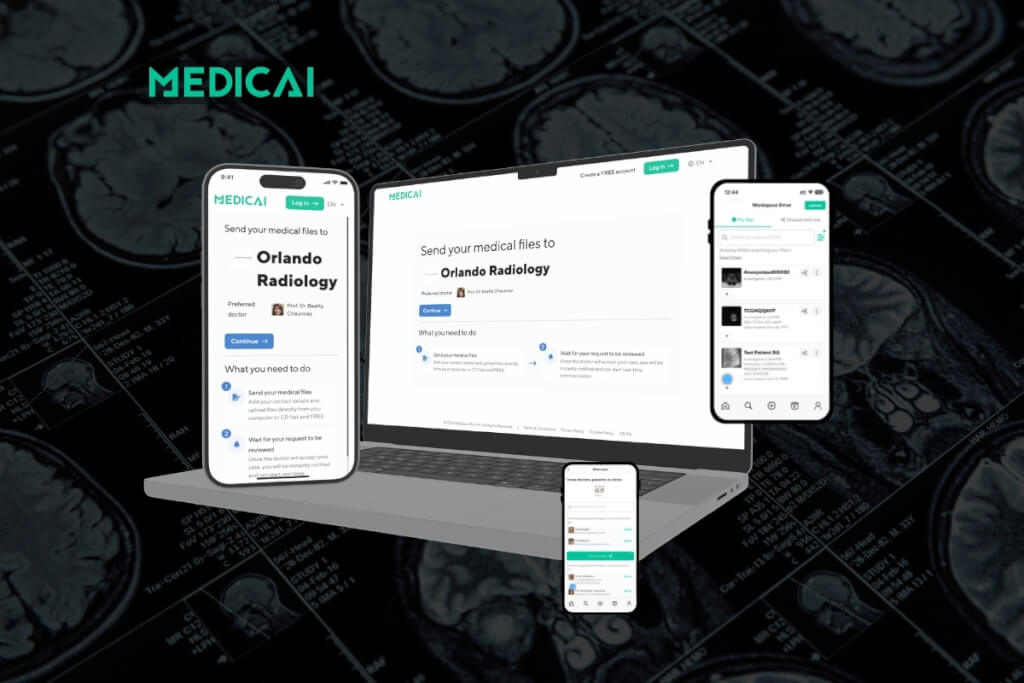
Read MoreEHR Advantages and Disadvantages: Benefits, Risks, and What Healthcare Providers Need to Knowadvantages and disadvantages of EHR EHR Advantages and Disadvantages: Benefits, Risks, and What Healthcare Providers Need to Know Electronic health records (EHR) are digital systems that store, retrieve, and share patient health information across multiple providers and care settings. EHR adoption in US hospitals exceeds 96% as of 2024, making them the operational backbone of most healthcare organisations.... By Andrei Blaj Jan 21, 2025

Read MoreVNA vs PACS: Key Differences, Use Cases, and When to Use Bothpacs vs vna VNA vs PACS: Key Differences, Use Cases, and When to Use Both A VNA (Vendor Neutral Archive) stores medical imaging data in standard DICOM format independent of any specific vendor, while a PACS (Picture Archiving and Communication System) manages the active clinical imaging workflow — acquisition, viewing, worklist, and reporting — within... By Andrei Blaj Dec 18, 2024

Read MoreTeleradiology Solutions: Swift, Smart, and Smooth Radiology ServicesTeleradiology Solutions Teleradiology Solutions: Swift, Smart, and Smooth Radiology Services Have you ever dreamed of getting expert diagnoses from radiologists thousands of miles away? Well, with teleradiology solutions, your dream can come true. Teleradiology solutions connect healthcare providers with radiologists remotely. They provide secure data sharing and real-time interpretations of... By Mircea Popa Dec 4, 2024
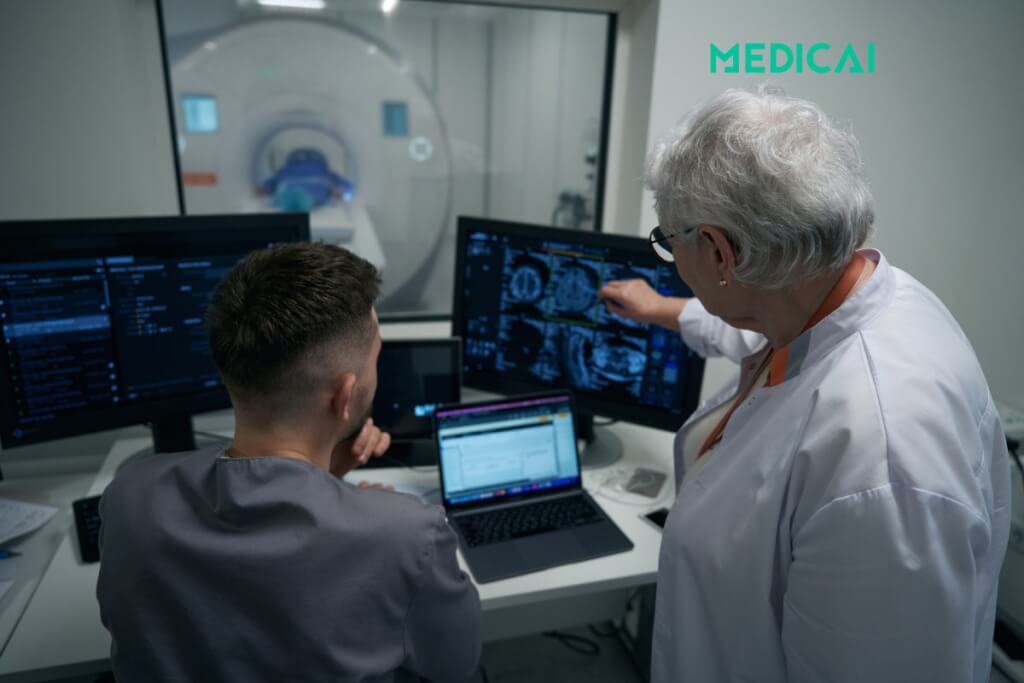
Read MoreDICOM Modality Types: Powering the Future of Medical Imagingdicom modality types DICOM Modality Types: Powering the Future of Medical Imaging The healthcare world is changing rapidly, and so are diagnostic imaging technologies that help make accurate diagnoses and treatment plans. And behind these technologies lies a silent enabler—DICOM modality types—ensuring everything works harmoniously. DICOM modality types are standardized labels that... By Andrei Blaj Nov 13, 2024
Read MoreHow to Ensure Effective Healthcare Data Collection in Rural AreasHow to Ensure Effective Healthcare Data Collection in Rural Areas How to Ensure Effective Healthcare Data Collection in Rural Areas In the US, rural areas are often neglected when it comes to having proper healthcare facilities. As a result, many such areas in the country are seen as “healthcare deserts.” In 2025, Newsweek reported that more than 80% of US... By Andra Bria Aug 25, 2024