How Tech and Ingenuity Help Healthcare Teams Address Workforce Shortages

The healthcare industry is facing a massive challenge that affects all of us. There simply are not enough people to do the work. According to the World Health Organization, the world is expected to face a shortage of at least 10 million healthcare workers by 2030. Some estimates even suggest the gap could rise to 78 million.
This challenge is not just about staffing numbers. It directly affects patient outcomes, quality of care, and the long-term stability of healthcare systems. An analysis by the McKinsey Health Institute found that closing this gap could prevent 189 million years of life lost to early death or disability. That represents about 7% of the global disease burden.
As a result, healthcare organizations are increasingly turning to technology, innovation, and more flexible care models to keep operations running effectively.
This article explores how technology and smarter workflows are helping healthcare teams stay effective despite staffing shortages.
Technology That Does More With Less
Healthcare teams are increasingly using technology to reduce the heavy administrative workload that often contributes to staff burnout. AI-powered documentation tools, telehealth platforms, and automated workflows are helping providers spend less time on paperwork and more time caring for patients.
Digital systems can now handle scheduling, records management, and routine documentation faster and more accurately.
This shift is accelerating across the healthcare industry. As Statista notes, revenue in the digital health market is projected to reach USD 177.77 billion in 2026. It is also expected to grow to USD 219.60 billion by 2030, with an annual growth rate of 5.42%. The average revenue per user is projected to reach USD 121.18.
Virtual consultations and remote follow-ups are also helping healthcare organizations manage larger patient volumes without proportionally increasing staff workloads.
Smarter Team-Based Care Models
Healthcare organizations are moving away from placing the entire burden on physicians by adopting collaborative, team-based care models. Nurse practitioners, physician assistants, and specialists now work together to distribute responsibilities based on their specific expertise. This shift has become necessary as healthcare demand continues to rise, particularly due to the rapidly aging population.
According to the AAMC, by 2036, the US population aged 65 and older is projected to grow by 34.1%, while the population aged 75 and older will increase by 54.7%. Since older adults typically require more medical attention, this trend is expected to create a major surge in demand for specialized care.
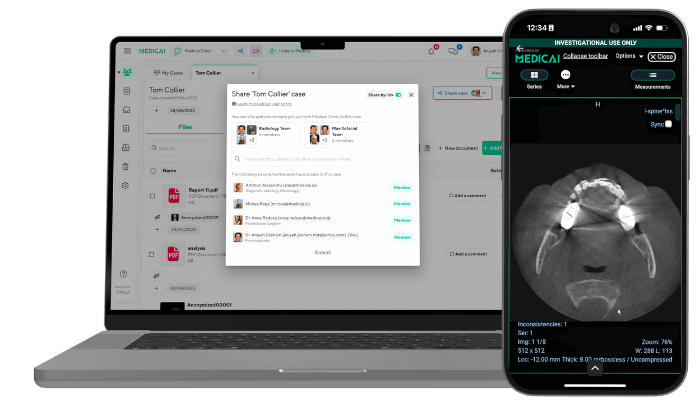
To make these collaborative models work without creating bottlenecks, teams rely on decentralized platforms that let specialists access, review, and discuss patient data simultaneously from any location. Supported by unified tech, coordinated teams manage heavier patient loads more efficiently while reducing burnout.
Stronger Clinical Training and Mentorship Pipelines
Healthcare shortages have made it essential to prepare providers quickly without losing quality. Classroom education alone cannot bridge the gap between theory and real-world practice. This is why hands-on learning is becoming the standard, helping students transition into their roles with more confidence.
Experienced mentors are vital in this process. They guide students through clinical decision-making and patient communication that cannot be taught in books. Effective NP preceptor placement is a key part of this strategy. These mentors model the critical thinking and judgment required for direct patient care.
However, according to ClickClinicals, the timeline for matching students with preceptors can vary depending on program requirements, specialty, and location. To streamline this process, institutions are increasingly relying on digital scheduling and cloud-based data sharing systems to connect students with mentors.
Remote Diagnostics and Cloud-Based Collaboration
When healthcare facilities are short-staffed, cloud-based technology helps teams bridge geographic gaps more efficiently. Decentralized medical imaging platforms allow on-site technicians to upload complex patient data, such as MRIs and CT scans, directly to secure cloud systems.
This enables remote radiologists and off-site specialists to review scans, collaborate on diagnoses, and support care teams from virtually anywhere. By eliminating physical media and slow file transfers, healthcare providers can accelerate decision-making and improve access to specialized expertise.
The model significantly reduces pressure on local clinical teams. Instead of requiring every facility to maintain a full roster of specialists on-site, healthcare networks can centralize expertise across multiple locations. A single remote specialist can support several understaffed clinics at once, helping organizations deliver faster and more consistent patient care.
Retention and Well-Being as Part of Smarter Workforce Strategy
Retaining skilled professionals is now as critical as hiring new ones. A healthcare system that loses staff faster than it can replace them faces unsustainable financial and operational costs. To reduce turnover, organizations are prioritizing mental health support, manageable workloads, and career development.
According to the JAMA Network, studies have linked work overload, burnout, and employees’ intent to leave their organizations across healthcare roles. These trends directly affect the composition of clinical teams and physician workflows.
To address this, peer support programs, counseling services, and more sustainable workload expectations are becoming standard workplace features. Organizations that prioritize employee well-being often see stronger team cohesion, lower turnover, and higher patient satisfaction.
Frequently Asked Questions
How is technology helping healthcare teams handle workforce shortages?
Technology is helping healthcare teams reduce administrative work, improve communication, and manage patient care more efficiently. AI-powered documentation tools, telehealth platforms, cloud-based collaboration systems, and automated workflows help providers spend more time with patients. They also reduce burnout caused by repetitive administrative tasks.
Why are team-based care models becoming more important in healthcare?
Team-based care models help distribute responsibilities across physicians, nurse practitioners, physician assistants, specialists, and support staff. This improves efficiency, reduces pressure on individual providers, and allows healthcare organizations to manage rising patient demand more effectively.
How do remote diagnostics support understaffed healthcare facilities?
Remote diagnostics allow specialists to review medical imaging and patient data from different locations through secure cloud-based systems. This helps healthcare organizations provide faster diagnoses and improve access to care more efficiently. It also reduces the need for every facility to maintain a full on-site specialist team.
Key Statistics on Healthcare Workforce Challenges
| Global healthcare worker shortage | At least 10 million healthcare workers could be lacking by 2030 |
| Higher workforce shortage estimate | Upper estimates suggest shortages could reach 78 million workers |
| Impact of closing workforce gaps | Closing the shortage could prevent 189 million years of life lost or disability |
| Share of global disease burden | Workforce improvements could reduce 7% of the global disease burden |
| Growth of population aged 65+ | The US population aged 65 and older is expected to increase by 34.1% by 2036 |
| Growth of population aged 75+ | The US population aged 75 and older is projected to increase by 54.7% by 2036 |
| Digital health market revenue | Digital health revenue is projected to reach USD 177.77 billion in 2026 |
| Digital health market growth | Market size is projected to grow to USD 219.60 billion by 2030 |
| Digital health annual growth rate | CAGR projected at 5.42% from 2026 to 2030 |
The healthcare workforce shortage is a complex challenge, but it has triggered a wave of necessary innovation. By combining team-based care and smarter digital infrastructure with robust mentorship and a focus on well-being, organizations are finding sustainable ways to bridge the gap.
The systems that emerge strongest will be those that treat workforce strategy and technological integration as clinical imperatives rather than operational footnotes. Ultimately, the quality of patient care is inseparable from the ingenuity and support provided to the professionals delivering it.

Related Articles


Lets get in touch!
Learn more about how Medicai can help you strengthen your practice and improve your patients’ experience. Ready to start your Journey?
Book A Free Demo