How To Choose a Telehealth Oncology Solution in 2025

How can you provide effective cancer care while dealing with the fast-evolving world of healthcare?
Telehealth has transformed cancer care, offering providers a powerful tool to deliver personalized, efficient, and easily accessible treatment. The innovative approach ensures patients receive the best possible care, no matter where they are.
However, how can we choose telehealth for oncology in 2025?
The key to choosing the right telehealth solution is to evaluate oncology-specific features, patient engagement tools, and advanced technologies like AI and remote monitoring.
Let’s discover the key factors to consider while choosing the perfect telehealth for oncology for your practice.

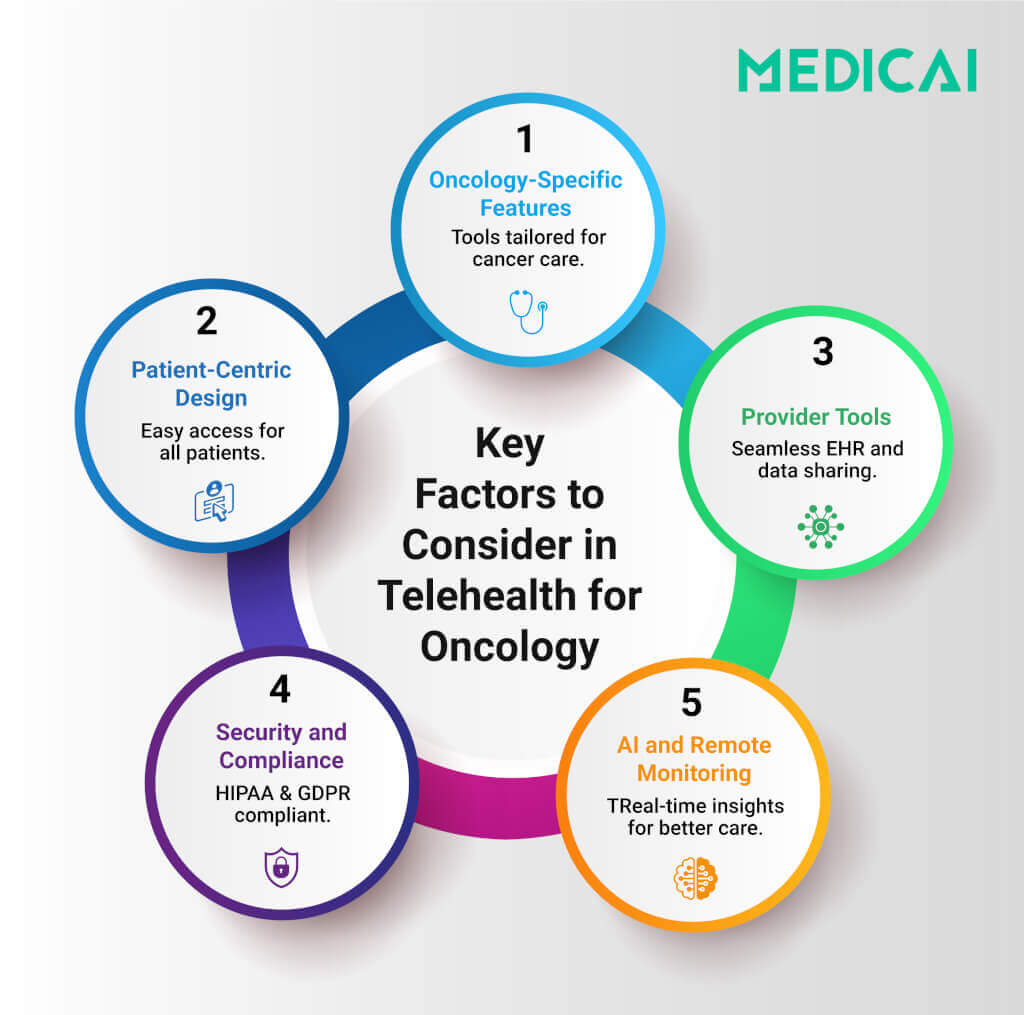
Key Factors to Consider When Choosing a Telehealth Oncology Solution
Telehealth is changing how oncologists provide care and how patients get treatment. It makes accessing care easier, improves convenience, and helps patients and their care teams communicate. Most telehealth platforms come with key features to offer those benefits.
However, choosing the right telehealth solution for your oncology practice requires careful consideration of key factors.
Oncology-Specific Features
When choosing a telehealth solution for cancer care, prioritize features that support oncology patients’ needs. They often require regular monitoring and collaboration among specialists, so the platform should be designed for these demands.
Symptom Tracking and Remote Monitoring
Cancer patients often face different symptoms and side effects during treatment, like nausea, fatigue, or changes in vital signs. A good telehealth solution should let patients record their symptoms every day or whenever they happen.
Healthcare providers can receive this data in real time, allowing them to intervene quickly.
Besides, remote monitoring capabilities integrated with wearables or IoT devices (like smartwatches or infusion pumps) can track vital signs such as heart rate, blood pressure, and oxygen saturation. These tools enhance patient safety and reduce unnecessary hospital visits.
Tools for Managing Chemotherapy, Immunotherapy, and Radiation Schedules
Oncology treatments are often complex, involving strict schedules for chemotherapy cycles, radiation therapy appointments, or immunotherapy infusions. A telehealth platform must include features to manage these schedules seamlessly.
Automated reminders, connections with hospital calendars, and clear treatment timelines can help patients stay on track. They also give healthcare teams a clear view of how patients progress in their treatment.
Virtual Tumor Boards for Collaborative Care
Cancer treatment usually involves a team of doctors, including oncologists, radiologists, pathologists, and surgeons. Telehealth platforms should allow these specialists to hold virtual tumor board meetings and collaborate from different locations.
Features like high-definition video conferencing, real-time file sharing, and advanced imaging tools for annotating scans and pathology slides enable practical case discussions. These help inform and drive consensus-driven treatment decisions.
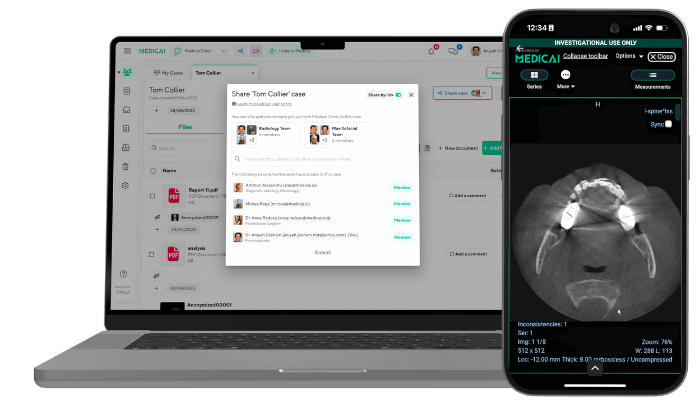
Medicai, designed for oncology, offers symptom tracking and remote monitoring tools. These empower patients to log their experiences and provide real-time data to oncologists.
Patient-Centric Design
A successful telehealth solution must meet the diverse needs of patients, particularly those with limited technical skills or unique accessibility requirements. A patient-centric design promotes inclusivity and ease of use.
The interface must be straightforward and user-friendly, so patients with little technical knowledge can easily access consultations, upload reports, or log symptoms. Features like one-click video call initiation, step-by-step navigation guides, and visible support buttons enhance usability.
Cancer care involves patients from diverse backgrounds, often with varying linguistic needs. A telehealth platform should offer multilingual support, including translated interfaces and real-time consultation interpretation services.
Complying with the Americans with Disabilities Act (ADA) is also crucial. It means including features like screen readers for visually impaired users, voice-to-text for patients with limited mobility, and captions for video calls.
Medicai’s platform is user-friendly for all patients and provides easy access to video consultations and symptom logging. It includes multilingual support and ADA-compliant features like screen readers and voice-to-text functions for inclusivity.
Provider Tools and Integration
Healthcare providers need strong tools to manage complex oncology workflows while maintaining efficiency. The platform must seamlessly integrate with existing systems and support advanced decision-making.
EHR Integration
Integrating electronic health records (EHR) is essential. It allows patient information, such as treatment plans, imaging results, and lab reports, to move easily between systems, reducing administrative work and lowering the chance of mistakes.
For oncology, specialty electronic health records (EHRs) help doctors access all vital information during treatment.
AI-Driven Decision Support
Telehealth solutions using AI can analyze patient data to give useful insights. For example, Medicai’s AI-powered diagnostic feature can spot symptom patterns, predict complications, and recommend personalized treatment options based on genetic information.
These tools empower oncologists to make evidence-based decisions, improving patient outcomes.
Real-Time Data Sharing and Imaging Tools
Oncology care often requires reviewing complex imaging studies, such as CT scans or MRIs. To promote seamless consultations, a telehealth platform should support high-resolution imaging and real-time data sharing.
Medicai’s advanced imaging allows providers to collaboratively view, annotate, and discuss high-resolution scans during tumor board meetings or remote consultations, enhancing oncology care delivery.
Security and Compliance
Cancer care involves handling highly sensitive patient information and making a telehealth solution’s security and compliance critical components. Providers and patients must trust that their data is safe.
The platform must follow healthcare rules, including the Health Insurance Portability and Accountability Act (HIPAA) in the U.S. and the General Data Protection Regulation (GDPR) in Europe. These rules require that patient data be handled, stored, and shared securely.
Non-compliance can result in significant penalties and loss of trust.
The platform must provide data encryption, role-based access control, and blockchain for secure data sharing.
- End-to-end encryption keeps patient-provider communication secure and prevents unauthorized access.
- Role-based access control limits authorized personnel’s access to sensitive data, minimizing the risk of internal breaches.
- Blockchain technology offers secure and transparent records of data transactions, providing immutability in data sharing.

Emerging Features to Look for in 2025
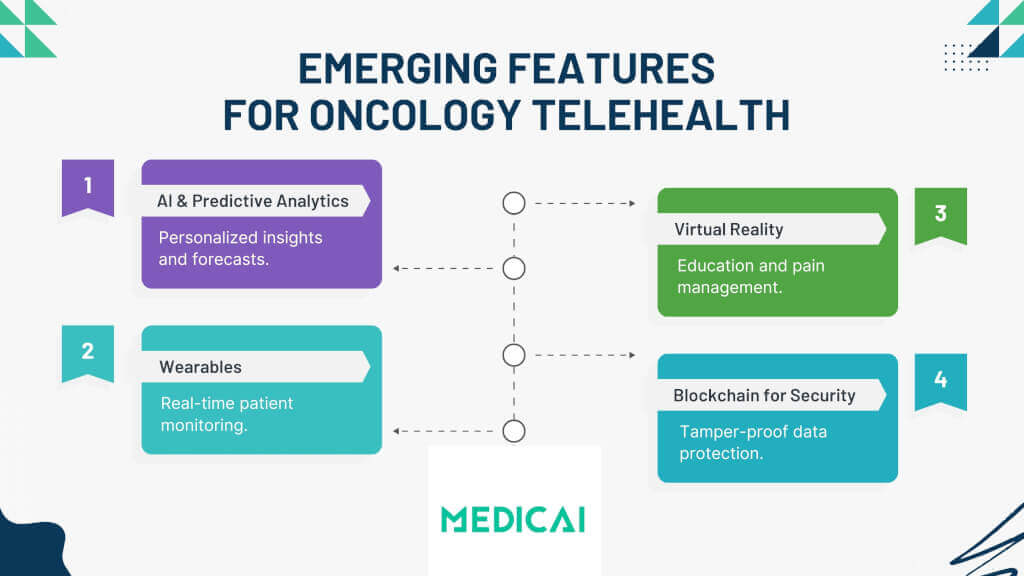
In 2025, groundbreaking technological advancements will transform telehealth solutions for oncology. These innovations aim to enhance patient outcomes, streamline workflows, and address the unique challenges of cancer care.
Advanced Technology Enhancements
Using new technology in telehealth platforms is changing how we deliver, monitor, and improve oncology care.
Integration with Wearables and IoT Devices for Real-Time Monitoring
Wearable devices like smartwatches, fitness bands, and smart medical devices are becoming essential in cancer care. In real-time, these devices can monitor vital signs, physical activity, sleep patterns, and specific health conditions.
For example, a wearable device can monitor a cancer patient’s heart rate and oxygen levels during chemotherapy. It can also help spot early signs of dehydration or infection.
IoT devices like smart infusion pumps and connected blood pressure monitors enable seamless data sharing with telehealth platforms, giving oncologists continuous patient data.
AI and Predictive Analytics for Treatment Planning
AI platforms can analyze large amounts of patient data, including genetic information, imaging results, and treatment histories. They offer personalized treatment recommendations.
Predictive analytics tools can forecast potential side effects, disease progression, or treatment outcomes. These tools help oncologists make informed decisions.
Virtual Reality (VR) and Augmented Reality (AR)
VR and AR are no longer confined to entertainment; they transform patient education, provider collaboration, and surgical oncology planning.
VR for Patient Education and Pain Management
Virtual reality (VR) provides immersive experiences that help patients understand their health and treatment options. For instance, a VR program can show how chemotherapy targets cancer cells, making complex medical ideas easier to understand.
Virtual reality (VR) is also increasingly used to help manage pain and anxiety without medication. Guided relaxation exercises in VR can help patients reduce stress and improve their well-being during treatment.
AR Tools for Surgical Planning and Collaboration
Augmented reality (AR) enhances real-world environments with digital overlays, making it a powerful tool for surgical planning and provider collaboration. AR can let oncologists visualize tumor locations, blood vessels, or other critical anatomy in 3D for more precise treatment planning.
AR tools can provide interactive models during multidisciplinary discussions or virtual tumor boards, facilitating better understanding and consensus on complex cases.
Blockchain and AI for Security
As telehealth expands, securing patient data is crucial. Blockchain and AI are key technologies that tackle these challenges.
Immutable Data Storage
Blockchain technology provides a secure, decentralized, and tamper-proof way to store patient data. Every time data updates or transactions occur, they are saved in a secure ledger that cannot be changed or deleted.
This level of security is beneficial for sharing data between providers, labs, and pharmacies. It ensures the integrity of information throughout the care continuum.
Real-Time Threat Detection
AI security tools can detect threats to telehealth systems in real time. They examine patterns in network traffic and user behavior and identify unusual activities that might signal unauthorized access or cyberattacks.
Telehealth platforms can also use machine learning to respond more effectively to security threats. This helps them protect sensitive oncology data and comply with regulations like HIPAA and GDPR.
Personalized Patient Engagement Tools
Telehealth platforms increasingly focus on personalized engagement to improve patient satisfaction and outcomes.
Gamification makes symptom tracking more engaging and less burdensome for patients. Oncology telehealth platforms might include features like progress badges, reminders, or daily challenges to encourage patients to log their symptoms regularly.
For example, a chemotherapy patient might be rewarded with virtual milestones for completing daily symptom reports. The approach keeps patients involved in their care and provides oncologists with consistent and reliable data for monitoring treatment progress.
Steps to Choosing the Right Telehealth Platform
Choosing the right telehealth platform for oncology requires a strategic, step-by-step approach to ensure it aligns with the specific needs of your practice and patients.
Step 1: Define Your Oncology Practice Needs
Before exploring telehealth platforms, start by assessing the unique requirements of your oncology practice.
Identify the specific challenges your patients face that a telehealth platform could address. For example:
- Do your patients require tools for symptom tracking during chemotherapy or radiation therapy?
- Would real-time monitoring for side effects improve their care experience?
- Are your patients in remote areas, making accessibility and intuitive interfaces critical?
By understanding these needs, you can focus on platforms that enhance patient engagement and provide tailored solutions.
Also, determine what your oncology team needs to streamline workflows. This might include features like:
- EHR integration for seamless data access.
- Virtual tumor board capabilities for collaborative decision-making.
- Tools for visualizing complex imaging studies.
Analyze your current processes to identify inefficiencies or bottlenecks. If managing treatment schedules is time-consuming, look for a platform that automates appointment reminders or provides centralized treatment timelines.
Step 2: Research and Shortlist Platforms
Compare platforms with oncology-specific features. Focus on platforms that cater specifically to oncology. Look for:
- Symptom tracking tools.
- Advanced imaging support for tumor visualization.
- Multidisciplinary collaboration features like virtual tumor boards.
Also, seek feedback from other oncology practices or professionals implementing telehealth solutions. Online reviews, case studies, and testimonials can provide valuable insights into the platform’s performance, reliability, and user satisfaction.
Step 3: Test the Usability and Functionality
A telehealth platform may appear promising on paper, but evaluating its real-world usability and functionality is essential.
Request demos and trials. Explore the platform’s features and assess how well it fits into your practice’s workflows. Involve both providers and patients in these trials to gather comprehensive feedback.
Pay close attention to the platform’s ease of use. For example:
- Is the interface intuitive for patients, especially those unfamiliar with technology?
- Does the platform integrate seamlessly with existing systems like your EHR, lab networks, or pharmacy services?
- Are critical oncology features, such as symptom tracking and imaging tools, accessible and functional?
A difficult-to-navigate platform or lacking integration capabilities can hinder adoption and reduce efficiency.
Step 4: Verify Security, Compliance, and Scalability
Given the sensitivity of oncology data, security and compliance are non-negotiable. Additionally, scalability ensures the platform grows with your practice.
Verify that the platform complies with:
- HIPAA (Health Insurance Portability and Accountability Act) is used to protect patient data in the U.S.
- GDPR (General Data Protection Regulation) for practices serving European patients.
- These regulations safeguard patient confidentiality and ensure secure data handling.
Evaluate whether the platform can accommodate practice growth or an increasing patient load. For instance:
- Can it support additional providers or departments as your oncology program expands?
- Is adding new features or modules flexible, such as AI-driven analytics or advanced imaging tools?
Step 5: Monitor Cost and ROI
Finally, ensure the telehealth platform delivers value for its cost by analyzing both immediate expenses and long-term benefits.
Understand pricing models.
Telehealth platforms typically offer various pricing models, including:
- Subscription-Based: Fixed monthly or annual fees.
- Pay-Per-Use: Charges based on the number of consultations or users.
- Custom Pricing: Tailored plans for larger oncology practices.
Compare these models to find one that aligns with your budget without compromising on critical features.
Also, assess how the platform can deliver long-term benefits, such as:
- Reducing administrative workloads through automation.
- Improving patient outcomes with timely interventions and better monitoring.
- Increasing patient satisfaction can enhance retention and referrals.
Conclusion
Choosing the right telehealth platform for oncology in 2025 is crucial for delivering exceptional care. With Medicai, you can access innovative tools like AI-driven analytics, virtual tumor boards, and patient-centric features that enhance engagement and streamline workflows.
Designed with security, compliance, and scalability at its core, we empower oncology providers to focus on what matters most: improving patient outcomes. Take the next step in transforming cancer care—partner with Medicai to bring innovation and compassion to every patient interaction.


Related Articles



Lets get in touch!
Learn more about how Medicai can help you strengthen your practice and improve your patients’ experience. Ready to start your Journey?
Book A Free Demo