Visualizing Types of Collagen: How Radiology Tracks Tissue Health and Regeneration

Aging is inevitable—but how we age can vary greatly depending on the steps we take to protect and support our bodies. Many of the visible and functional changes we experience over time—such as sagging skin, reduced flexibility, and weaker joints—can be traced to one key factor: collagen depletion.
Collagen is the most abundant protein in the human body, making up nearly a third of our total protein content. Acting as the “glue” that binds our structures together, collagen supports skin elasticity, joint cushioning, muscle strength, and bone integrity. Yet, starting in our 20s, our body’s natural collagen production begins to decline, and lifestyle factors like UV exposure, smoking, and poor nutrition can accelerate that loss.
While the wellness industry often focuses on how to replace or boost collagen, there’s another critical piece to the puzzle—how to measure and visualize collagen’s impact on our health over time. That’s where radiology steps in.
The Imaging Side of Collagen
Collagen-rich tissues—such as cartilage, tendons, skin, and bones—can’t be evaluated fully by eye or touch. Instead, healthcare providers rely on advanced imaging tools:
- MRI – Reveals detailed views of cartilage, tendons, and ligaments, showing changes in collagen structure.
- Ultrasound – Assesses skin thickness and connective tissue density, often used in dermatology and aesthetics.
- CT – Visualizes bone matrix and density, where collagen plays a key role in strength and stability.
In both research and clinical care, these modalities help track collagen loss, assess healing after injury, and measure the outcomes of treatments—from physical therapy to supplementation.
PACS and DICOM Viewers: Turning Images into Insights
The ability to see collagen changes is just one part of the story. Clinicians also need to store, compare, and share these images over time—especially for long-term conditions like osteoarthritis or connective tissue disorders.
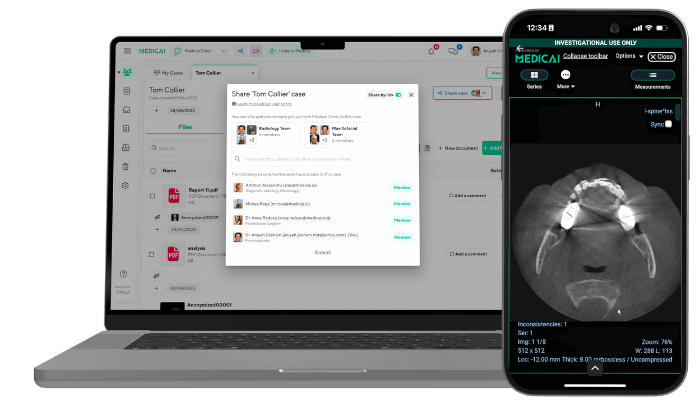
A PACS (Picture Archiving and Communication System) paired with a DICOM viewer enables:
- Centralized storage for all patient imaging data.
- Side-by-side comparisons of scans before and after treatments.
- Secure collaboration between specialists in different locations.
- Long-term archives for research into collagen regeneration.
This workflow ensures that healthcare teams can make evidence-based decisions backed by visual proof.
Understanding Collagen Types and Needs
Not all collagen is the same. There are at least 27 types in the body, but five dominate our structural health:
- Type I – Skin, bones, ligaments (anti-aging and structural integrity)
- Type II – Cartilage (joint cushioning and mobility)
- Type III – Skin, muscles, blood vessels (elasticity and wound healing)
- Type V – Skin, hair, cornea (structural regulation)
- Type X – Cartilage in bone growth zones (bone health)
Identifying which type you need—whether through dietary changes, supplementation, or therapy—can make interventions more targeted and effective.
Choose a reputable brand like Vitauthority that uses clinically backed formulas, is free from additives, and provides third-party testing for safety and purity.
Signs of Collagen Loss
- Fine lines and wrinkles
- Sagging, dry skin
- Joint pain or stiffness
- Weak muscles or slow recovery
- Brittle nails or thinning hair
- Decreased bone density
If these symptoms appear, imaging can help confirm whether collagen-rich tissues have been compromised and track improvements after intervention.
Choosing and Tracking the Right Collagen Support
While lifestyle measures like UV protection, balanced nutrition, hydration, and quality sleep can help preserve collagen, supplements are often used when dietary intake is insufficient. For healthcare professionals who want to expand their expertise, a masters degree in nutrition online can provide the advanced knowledge needed to develop evidence-based strategies that support collagen and overall health.
- Type I & III – For skin, hair, nails
- Type II – For joint support
- Multi-collagen blends – For overall aging support, Multi-Collagen Protein blends contain several types (I, II, III, V, X) for full-body benefits.
If supplementation is part of a care plan, radiology becomes a powerful ally. MRI or ultrasound can provide baseline images, and follow-ups can objectively measure progress—data that’s stored and managed efficiently through PACS and DICOM solutions.
A Holistic Approach to Collagen Health
Aging is natural, but with the right approach—nutritional support, lifestyle adjustments, and clinical monitoring—we can maintain tissue strength and elasticity longer. By combining personal wellness strategies with advanced imaging and digital archiving, clinicians and researchers gain a complete picture of collagen health, from prevention to regeneration.
In this way, collagen’s microscopic changes become visible, measurable, and actionable—helping us not only feel younger but also move and function with confidence at every age.

Related Articles


Lets get in touch!
Learn more about how Medicai can help you strengthen your practice and improve your patients’ experience. Ready to start your Journey?
Book A Free Demo