Does Urgent Care Do MRI? What to Expect, How Much It Costs, and When to Go Elsewhere

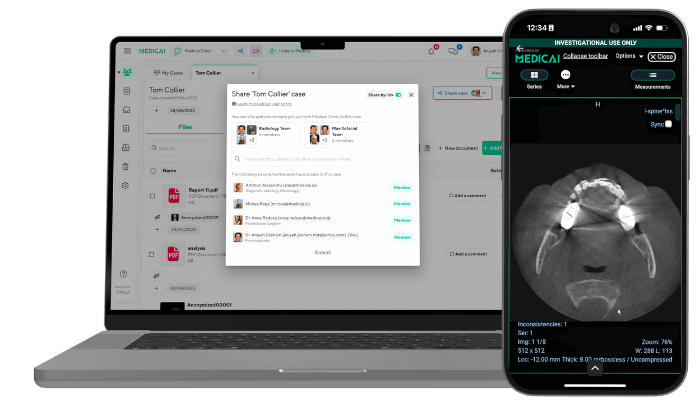
Some urgent care centers do offer MRI scans, but most do not — availability depends entirely on the specific center. Freestanding urgent care clinics with on-site imaging equipment can perform same-day MRI without a referral in many US states. Standard urgent care centers without on-site MRI will refer you to a separate imaging facility, which may or may not be available the same day. If you need an MRI urgently, call ahead to confirm whether the center has an MRI machine before arriving.
Urgent care centers rarely offer on-site MRI because it requires expensive equipment and specialized staffing, but some centers provide MRI through affiliated imaging partners or low-field installations. MRI at urgent care is most useful for time-sensitive, non-life-threatening cases in which rapid access improves diagnosis without requiring patients to go to an emergency department.
Urgent care centers are a convenient option for patients who need immediate medical attention but do not require a hospital visit. These facilities have become increasingly popular in recent years, offering a range of diagnostic and treatment services, including X-rays, lab tests, and other imaging.
Adding MRI to the list of available services can improve access to critical diagnostic imaging, helping patients get the care they need quickly and effectively. However, getting the benefits of this medical imaging option in urgent care is not always possible.
Does Urgent Care do MRI
Urgent care centers typically don’t perform MRIs primarily because of the cost of the equipment and the specialists required. But they handle X-rays and ultrasounds for immediate issues such as fractures or minor injuries. These are quicker, cheaper, and sufficient for many urgent diagnoses.
Urgent care refers to hospitals or imaging centers for MRIs (e.g., for soft-tissue injuries or neurological scans). For severe or life-threatening conditions (e.g., suspected stroke, spinal cord injuries), head directly to an emergency room, where MRIs are readily available.

However, a recent study found that a midfield-strength 0.55T MRI system can be used in emergency conditions, as it requires fewer resources to acquire and maintain.
How much does MRI at urgent care actually cost?
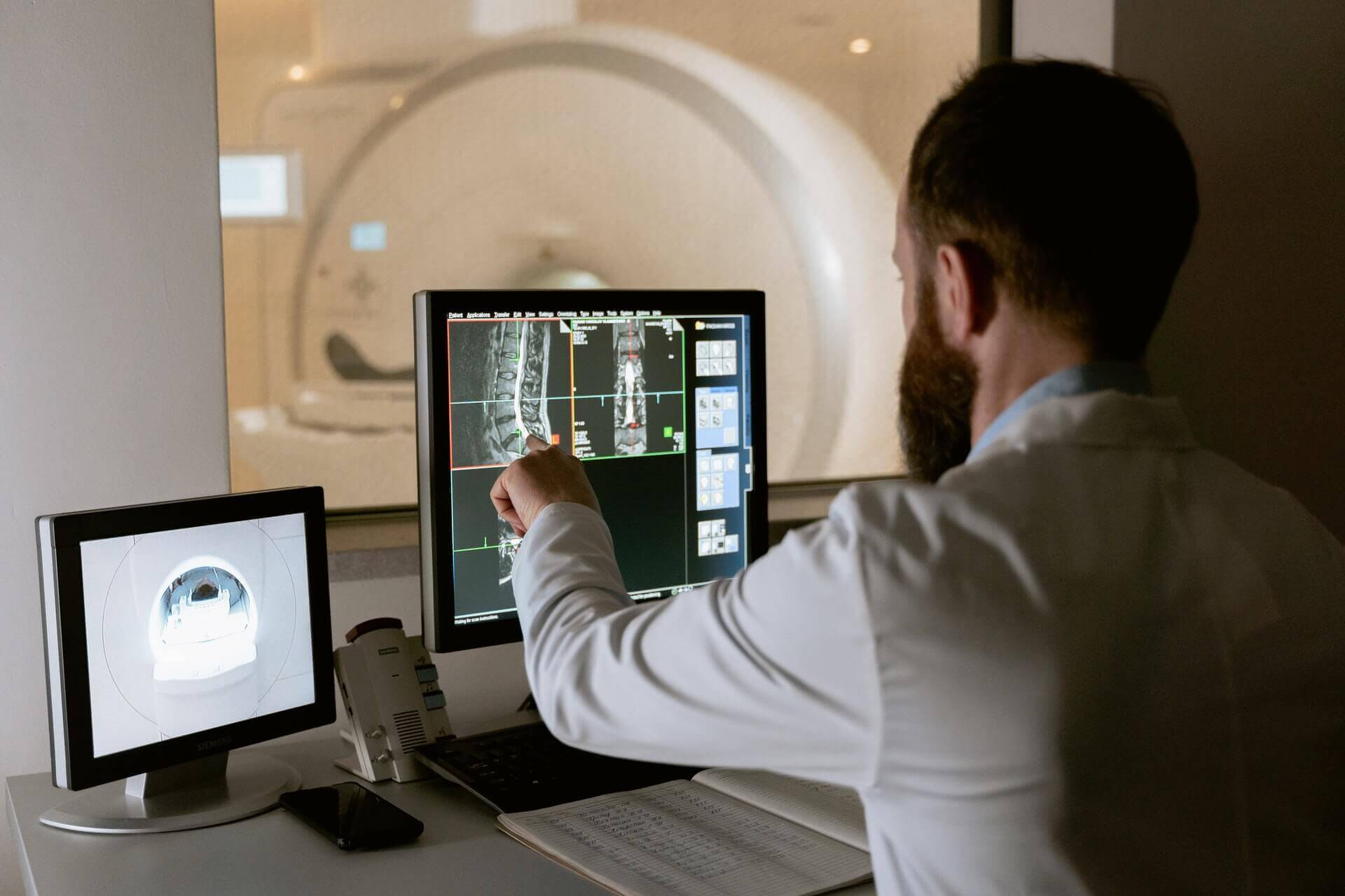
MRI at urgent care typically costs less than an MRI at a hospital but more than at dedicated imaging centers. Without insurance, urgent care MRI runs $400-$1,200 for most body parts, depending on the specific scan, whether contrast is used, and the urgent care’s pricing structure. With insurance, out-of-pocket costs depend on deductible status, copay, and whether the urgent care is in-network.
By comparison, a hospital MRI typically costs $1,000- $3,000 or more for the same scan, reflecting hospital overhead and emergency-readiness costs. Dedicated imaging centers (standalone radiology facilities) typically charge $300-$800 for routine MRI, the lowest-cost option for scheduled non-emergency imaging. Three cost considerations matter beyond the sticker price.
- First, contrast adds $100-$300 to any MRI regardless of facility.
- Second, urgent care MRI often bundles the urgent care visit fee ($150-$300) with the imaging fee, so the total cost includes both.
- Third, insurance pre-authorization may apply — obtaining authorization in advance can prevent claims from being denied, which would leave the patient responsible for the full cost.
For patients comparing options: hospital MRI for emergencies, urgent care MRI for fast acute injury imaging, and a dedicated imaging center for scheduled routine MRI.
For urgent care facility owners and operators evaluating whether to add MRI imaging capability, the operational considerations include modality investment, radiology staffing or teleradiology contracts, and imaging infrastructure for storing and sharing scans. Facilities that need custom integrations with their EHR or scheduling systems may also bring in a healthcare software consultancy. See our guide on PACS for urgent care for the facility-side perspective on building urgent care imaging operations.
MRI cost at urgent care by body part
A comparison table covering the five most commonly ordered urgent care MRI body parts — knee, spine/lumbar, brain, shoulder, ankle — with three columns: body part, typical urgent care cost (out-of-pocket), and typical hospital ER cost. Standard Medical table spec applies.
Does insurance cover an MRI at urgent care?
Most major health insurance plans cover MRI scans at in-network urgent care centers, just as they generally cover urgent care visits. The patient’s cost is their standard imaging copay or coinsurance applied to their deductible. Coverage does not always eliminate out-of-pocket expenses. Depending on your deductible and coinsurance, you may still be responsible for several hundred dollars. Patients who need to cover unexpected medical costs sometimes compare provider payment plans with alternative financial resources, including information about emergency loans for medical bills, before deciding how to pay for their care.
Key points: confirm the urgent care center is in-network before the scan; confirm the radiologist who reads the scan is also in-network (a separate billing entity from the facility); ask whether your insurance plan requires a referral for MRI coverage. Some high-deductible plans treat urgent care, MRI, and a specialist visit as a standard urgent care visit — check your plan’s imaging coverage tier.
Is an urgent care MRI cheaper than an ER MRI?
Yes, in almost all cases. Emergency room MRI costs are significantly higher than urgent care costs for the same scan — the facility fee alone for an ER visit can add $500 to $1,500 on top of the imaging cost. You can look up the fee schedule here to see exactly what it costs. For non-emergency MRI needs — such as knee injury assessment, soft-tissue evaluation, or back pain — an urgent care center with on-site imaging is the most cost-effective same-day option. For symptoms suggesting a stroke, head trauma, or spinal cord injury, go directly to the emergency room — urgent care is not equipped for these presentations, regardless of imaging availability.
Can You Get an MRI at Urgent Care Without a Referral?
In most US states, yes, urgent care physicians can order an MRI without a referral from a primary care doctor. This is one of the primary reasons patients choose urgent care for imaging: the ability to be assessed, have an MRI ordered, and receive the scan in a single visit without waiting for a GP appointment and a referral letter. The urgent care physician evaluates the clinical presentation, determines whether an MRI is appropriate, and writes the imaging order on-site.
The exceptions are insurance-driven rather than regulatory. Some private health insurance plans require a referral from a primary care physician before covering specialist imaging, including MRI.. In these cases, the urgent care physician can write the order, but the patient may bear the full out-of-pocket cost if their insurance plan’s referral requirement is not met. Check your insurance plan’s imaging pre-authorization requirements before attending urgent care for an MRI if cost is a concern.
Direct-access MRI — booking an MRI scan without a physician order — is available at some standalone imaging centers and is legal in most US states, but it is not covered by insurance and requires the patient to self-pay the full cost of imaging.
Check how different MRI comparisons help to choose the right one.
When should I choose urgent care vs ER vs imaging center?
| Choose | Best for | Timing | What you get | Common blockers |
|---|---|---|---|---|
| Urgent care | Non-emergency symptoms where fast next steps matter | Same day to 48 hours | Exam + MRI coordination (on-site or partner facility) | Limited slots, limited hours, prior authorisation requirements |
| Emergency room | Red-flag or severe symptoms requiring immediate stabilisation | Minutes to hours | Stabilisation + imaging triage + specialist pathway | Long wait times, higher facility cost, MRI timing driven by triage priority |
| Imaging centre | Stable, planned MRI already ordered by a clinician | Days to weeks | MRI scan + radiology report delivered to your doctor | Prior authorisation, scheduling delays, no same-visit clinical decisions |
Red flags: choose the ER instead of urgent care or an imaging center
FAQs
Urgent care centers with MRI capability can perform basic MRI scans, typically focused on acute orthopedic injuries (knee, shoulder, ankle, back), some neurological symptoms (suspected concussion, sudden headache), and follow-up imaging for known conditions. Complex multi-modality imaging, contrast-enhanced studies for cancer evaluation, and emergency cases requiring immediate intervention are usually handled at hospitals or dedicated imaging centers.
MRI at urgent care typically costs $400-$1,200 without insurance, varying by body part, contrast use, and location. The cost is generally lower than a hospital MRI ($1,000-$3,000+) but higher than some dedicated imaging centers ($300-$800). Insurance coverage varies — high-deductible plans may still result in significant out-of-pocket costs. Always confirm pricing and insurance coverage before the scan.
Most urgent care centers do not have MRI machines on-site. Of the urgent care centers in the United States, fewer than 5% currently have on-site MRI capability. Those that do are typically larger urgent care chains, orthopedic-focused urgent care centers, or urgent care affiliated with hospital systems that share imaging infrastructure. Check directly with the specific urgent care location to confirm MRI availability.
Yes. Urgent care physicians can order MRI scans to be performed at affiliated hospitals, dedicated imaging centers, or hospital outpatient imaging departments. The urgent care physician documents the clinical need, sends the order, and the patient schedules the MRI at the imaging facility — often within 1-3 days depending on availability and the urgency of the clinical question.
Urgent care MRI is appropriate for acute orthopedic injuries (suspected ligament tears, knee or shoulder problems), some neurological symptoms without emergency signs, and straightforward single-question imaging. Hospital MRI is appropriate for complex cases, suspected emergencies, and multi-modality workups. Dedicated imaging centers are appropriate for scheduled diagnostic imaging, contrast studies, and lower-cost routine MRI. The right choice depends on urgency and clinical complexity.
Yes. Emergency rooms have MRI available, and for red-flag presentations such as suspected stroke, spinal cord injury, or serious head trauma, the ER is the correct place to go, because it combines immediate MRI access with stabilization and specialist care. ER MRI is prioritized by triage rather than scheduled, so non-emergency scans may wait behind more critical cases. It is also the most expensive setting: the ER facility fee alone can add $500 to $1,500 on top of the imaging cost. For non-emergency MRI, urgent care or a dedicated imaging center is faster and far cheaper.
Urgent care MRI typically covers musculoskeletal imaging (knee, shoulder, ankle, spine, hip), some neurological imaging (brain MRI for headache or suspected concussion), and basic abdominal imaging in select centers. Contrast-enhanced MRI, breast MRI, cardiac MRI, and specialized protocols (functional MRI, MR angiography) are generally not available at urgent care and require referral to a hospital or dedicated imaging center.
MRI at urgent care can be significantly faster than scheduling at a hospital. Walk-in or same-day MRI is sometimes available at urgent care with on-site imaging, compared to hospital MRI scheduling that often requires 1-2 weeks. For acute injuries where time matters (suspected ligament tear, urgent neurological evaluation), urgent care MRI can shorten time-to-diagnosis. For non-urgent cases, scheduled imaging at a dedicated center is often equally fast and lower cost.
Insurance coverage for MRI at urgent care depends on the specific plan, the clinical reason for the MRI, and whether the urgent care is in-network. Most insurance plans cover medically necessary MRI regardless of where it’s performed, but pre-authorization requirements often apply. Out-of-pocket costs vary based on deductible status, copay structure, and whether the imaging facility is in-network. Verify coverage with the insurance plan before the scan.
Search for “urgent care with MRI near me” or “urgent care imaging” in your area. Major urgent care chains (CityMD, MedExpress, NextCare, FastMed) list imaging capability on their location pages. Hospital-affiliated urgent care often shares imaging infrastructure with the parent hospital. Call ahead to confirm MRI availability, the specific body parts they image, and whether walk-in or appointment scheduling is required.
Most urgent care centers do not perform MRI with contrast. Contrast-enhanced MRI requires intravenous gadolinium administration, screening for kidney function (eGFR), monitoring for rare contrast reactions, and protocols typically maintained at hospitals or dedicated imaging centers. If the clinical question requires contrast (suspected tumor, infection, inflammation, vascular abnormality), the urgent care physician usually refers to a hospital or imaging center for the scan.



Related Articles

Lets get in touch!
Learn more about how Medicai can help you strengthen your practice and improve your patients’ experience. Ready to start your Journey?
Book A Free Demo