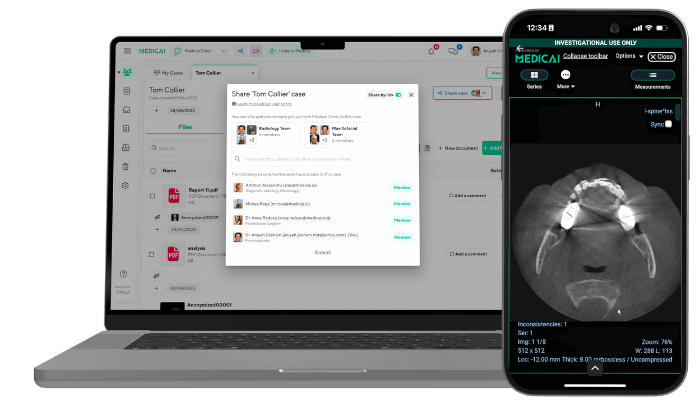
Synchrone vs. Asynchrone Telemedizin: Welches Modell Passt Zu Ihnen?

Eine wachsende Zahl von Gesundheitsdiensten weltweit nimmt das innovative Konzept der Telemedizin an. Telemedizin ermöglicht es sowohl Patienten als auch Anbietern, über eine remote und elektronische Gesundheitsplattform auf Gesundheitsdienstleistungen zuzugreifen. So war es noch nie so bequem, Pflege zu bieten und zu erhalten, was der Gesundheitsbranche eine Welt neuer Möglichkeiten eröffnet.
Telemedizin kann in verschiedenen Formen auftreten, wobei die beiden Hauptformen synchron und asynchron sind. Damit Anbieter die beste und zugänglichste Versorgung bieten können, müssen sie ihre Telemedizin-Plattform mit den Telemedizin-Vorlieben des Patientenabgleichen. Dazu müssen sie sowohl die synchronen als auch die asynchronen Telemedizin gut verstehen und festlegen, welche Methode am besten für ihre Praxis geeignet ist.
Synchrone Telemedizin
Was Patienten zuerst in den Sinn kommt, wenn sie an Telemedizin denken, ist oft die synchrone Telemedizin. Synchrone Telemedizin bezieht sich auf den Aspekt der Live-Video-Konferenzen der Telemedizin, bei denen Patienten und Anbieter in Echtzeit, typischerweise über Video-Chat, zusammentreffen. Diese Form der virtuellen Begegnung ermöglicht es beiden Parteien, sich in Echtzeit zu treffen, mit einem gewissen Maß an persönlicher Kommunikation, ohne physisch anwesend zu sein. Diese Art von Treffen erfordert, dass beide Parteien gleichzeitig anwesend sind, mit einer Kommunikationsverbindung, die es ermöglicht, dass das Treffen in Echtzeit stattfindet.
Viele Patienten haben in den letzten Jahren erstmals synchrone Telemedizin-Kommunikation genutzt aufgrund der COVID-19-Pandemie. In schwierigen Zeiten waren desperate Maßnahmen erforderlich, und Patienten mussten auf virtuelle Treffen mit ihren Anbietern zurückgreifen, um die benötigte Versorgung zu erhalten. Auch wenn die synchrone Kommunikation heute möglicherweise nicht mehr so notwendig ist, nutzen viele Praxen sie immer noch wegen ihrer hervorragenden Vorteile.
Vorteile
Der synchrone Ansatz der Telemedizin hat aus verschiedenen Gründen Vorteile, vor allem aufgrund seiner Bequemlichkeit und Effizienz. Bequemlichkeit ist ein großer Faktor der synchronen Telemedizin, da sie die Notwendigkeit eliminiert, dass Patienten persönlich zu Arztterminen erscheinen. Dies ist ein enormer Vorteil und Zeitersparnis für Patienten, die nicht in der Nähe ihres Anbieters wohnen, an einer ansteckenden Erkrankung leiden oder regelmäßige Behandlung für eine chronische Erkrankung benötigen.
Durch die Bequemlichkeit haben Patienten zudem besseren Zugang zur Gesundheitsversorgung, insbesondere diejenigen, die nicht die Mittel haben, zu ihrem Arzt zu pendeln oder Arbeitszeit und Kinderbetreuung benötigen, um zu diesen Terminen zu erscheinen. Dadurch können Patienten, unabhängig von den Einschränkungen, mit denen sie konfrontiert sind, die Pflege erhalten, die sie verdienen.
In Bezug auf die Effizienz sind synchrone Arzttermine wesentlich effizienter als traditionelle persönliche Besuche. Synchrone Termine benötigen weniger Zeit für jeden Termin, was es den Anbietern ermöglicht, jeden Tag mit mehr Patienten zu sprechen.
Während einige befürchten, dass dies die Patientversorgung beeinträchtigen könnte, ist das Gegenteil der Fall. Anbieter können den Patienten weiterhin die Pflege und Aufmerksamkeit bieten, die sie benötigen, ohne auf Wartezimmer oder Unterbrechungen zählen zu müssen. Da Anbieter ihre Patienten weiterhin physisch sehen können, zusätzlich zu deren Aufzeichnungen und medizinischen Bildern, ermöglichen synchrone Besuche Beurteilung, Diagnose und Behandlung, genau wie es traditionelle Besuche tun können.
Als Ergebnis der Annahme der synchronen Telemedizin können Anbieter die Pflege, die sie ihren Patienten bieten, verbessern und gleichzeitig Bequemlichkeit, Zugänglichkeit und Effizienz erheblich steigern. Das gesagt, gibt es einige wesentliche Merkmale des asynchronen Ansatzes, die besprochen werden müssen, bevor Sie sich ausschließlich für den synchronen Ansatz entscheiden.
Asynchrone Telemedizin
Im Gegensatz zum synchronen Ansatz findet der asynchrone Ansatz nicht in Echtzeit statt. Deshalb wird er oft als Store-and-Forward-Ansatz für Videokonferenzen bezeichnet. Das bedeutet, dass anstatt an einem Live-Gesicht-zu-Gesicht-Virtual-Meeting teilzunehmen, Anbieter und Patienten aufgezeichnete Gesundheitskommunikationen austauschen können. Während die asynchrone Telemedizin vorab aufgezeichnete Nachrichten von Patienten und Anbietern enthalten kann, reicht der Ansatz weit darüber hinaus.
Asynchrone Telemedizin beinhaltet das Sammeln, Hochladen und Teilen von medizinischen Daten zwischen Patienten und Anbietern sowie zwischen Anbietern und anderen medizinischen Spezialisten. Die Daten werden lokal erfasst und, einmal hochgeladen, entweder dauerhaft gespeichert oder zu einem späteren Zeitpunkt über eine sichere Telemedizin-Plattform übertragen.
Da diese Übertragungen nicht in Echtzeit erfolgen, sind Benutzer nicht durch bestimmte Zeiträume eingeschränkt, um Daten auszutauschen. Während der synchrone Ansatz Benutzer nicht durch einen physischen Standort einschränkt, beschränkt dieser Ansatz weder durch Standort noch durch Zeit.
Vorteile
Ähnlich wie der synchrone Ansatz bietet auch der asynchrone Ansatz Vorteile in Bezug auf Effizienz und Bequemlichkeit. Die Idee der nicht-in-Echtzeit-Gesundheitsbehandlung kann oft beängstigend sein, aber es ist wichtig zu beachten, dass der asynchrone Ansatz nicht in Notfällen verwendet werden sollte. Stattdessen ist die asynchrone Telemedizin dazu gedacht, die Effizienz und Bequemlichkeit von täglichen und nicht-notfallmäßigen Gesundheitspraktiken zu erhöhen.
Durch asynchrone Telemedizin können Patienten und Anbieter jederzeit und von jedem Ort aufeinander und auf unbegrenzte Gesundheitsressourcen zugreifen. Dies ist besonders vorteilhaft zur Optimierung von Besuchen, da Anbieter alle medizinischen Informationen eines Patienten an einem zentralen Ort haben, sicher gespeichert und mit einfachem Zugriff. Dies gewährleistet, dass die Patientenversorgung genau mit ihren medizinischen Aufzeichnungen übereinstimmt, und Patienten müssen sich keine Sorgen machen, physische Dokumente und Bilder zu tragen und zu speichern.
Selbst unabhängig von Besuchen haben Patienten jederzeit Zugang zu genauen und zuverlässigen Gesundheitsressourcen. Patienten können ihre medizinischen Aufzeichnungen einsehen, Behandlungsoptionen abrufen, Rezepte nachfüllen und auf ein Portal zugreifen von medizinischen Spezialisten aus aller Welt. Als Anbieter können Sie sicherstellen, dass sich Ihre Patienten 24/7 betreut fühlen, ohne dass eine ständige Echtzeit-Kommunikation erforderlich ist.
Welche Methode ist die richtige für Sie?
Sowohl die synchrone als auch die asynchrone Telemedizin sind für Gesundheitspraktiken und deren Patienten äußerst vorteilhaft. Die Teilnehmer profitieren durch entweder Methode von erhöhter Effizienz, Bequemlichkeit und Zugänglichkeit, was zu einer verbesserten Patientenversorgung führt. Das gesagt, sind viele Gesundheitsanbieter unsicher, welchen Ansatz sie in ihrer Praxis implementieren sollen. Zum Glück haben wir die Antwort: beide!
Es gibt keinen Grund, warum eine Praxis sich auf nur einen Telemedizinansatz beschränken sollte. Stattdessen können sie ihre Praxis mit den Vorteilen sowohl der synchronen als auch der asynchronen Telemedizin ergänzen. Die Annahme beider Ansätze bietet Patienten unglaubliche Zugänglichkeit und Bequemlichkeit und ermöglicht ihnen den Zugang zur Gesundheitsversorgung jederzeit oder an jedem Ort, von jedem Gerät aus.
Als Anbieter mit beiden Ansätzen, die in ihre Telemedizin-Plattform integriert sind, wird es einfacher denn je sein, effiziente und qualitativ hochwertige Pflege für Ihre Patienten anzubieten. Darüber hinaus, da Sie von jedem Standort aus von Patienten erreicht werden können, haben Sie die Zeit, sich um mehr Patienten zu kümmern, sodass Sie Ihre Praxis ausweiten können mit Leichtigkeit. Mit beiden Methoden können Anbieter effiziente synchrone Besuche mit Patienten für regelmäßige Untersuchungen oder routinemäßige Diagnosen durchführen, während sie Ressourcen, Behandlungen und Rezepte über asynchrone Werkzeuge anbieten.
Möchten Sie mehr erfahren?
Die Zeiten, in denen die Gesundheitsversorgung durch strikte Zeitpläne und mühsame Fahrten zum Arzt eingeschränkt war, sind vorbei. Stattdessen können Patienten und Anbieter, indem sie sowohl die synchrone als auch die asynchrone Telemedizin annehmen, vom zukünftigen Gesundheitswesen profitieren. Für Gesundheitsanbieter, die ihre Praxis optimieren möchten, ist eine Kombination beider Telemedizinansätze entscheidend. Erfahren Sie mehr über die Zukunftssicherung Ihrer medizinischen Organisation, indem Sie das unten aufgeführte Dokument herunterladen:
{% module_block module „widget_1689841479287“ %}{% module_attribute „child_css“ is_json=“true“ %}{% raw %}{}{% endraw %}{% end_module_attribute %}{% module_attribute „css“ is_json=“true“ %}{% raw %}{}{% endraw %}{% end_module_attribute %}{% module_attribute „definition_id“ is_json=“true“ %}{% raw %}null{% endraw %}{% end_module_attribute %}{% module_attribute „field_types“ is_json=“true“ %}{% raw %}{}{% endraw %}{% end_module_attribute %}{% module_attribute „label“ is_json=“true“ %}{% raw %}null{% endraw %}{% end_module_attribute %}{% module_attribute „module_id“ is_json=“true“ %}{% raw %}125566907740{% endraw %}{% end_module_attribute %}{% module_attribute „path“ is_json=“true“ %}{% raw %}“/Reviewed By Andra Zincenco“{% endraw %}{% end_module_attribute %}{% module_attribute „schema_version“ is_json=“true“ %}{% raw %}2{% endraw %}{% end_module_attribute %}{% module_attribute „smart_objects“ is_json=“true“ %}{% raw %}null{% endraw %}{% end_module_attribute %}{% module_attribute „smart_type“ is_json=“true“ %}{% raw %}“NOT_SMART“{% endraw %}{% end_module_attribute %}{% module_attribute „tag“ is_json=“true“ %}{% raw %}“module“{% endraw %}{% end_module_attribute %}{% module_attribute „type“ is_json=“true“ %}{% raw %}“module“{% endraw %}{% end_module_attribute %}{% module_attribute „wrap_field_tag“ is_json=“true“ %}{% raw %}“div“{% endraw %}{% end_module_attribute %}{% end_module_block %}

Verwandte Artikel

Das Gespräch beginnen
Erfahren Sie mehr darüber, wie Medicai Ihnen helfen kann, Ihre Praxis zu stärken und die Patientenerfahrung zu verbessern. Sind Sie bereit, Ihre Reise zu beginnen?
Kostenlose Demo buchen