Creating Seamless Orthopedic Patient Pathways with an Interoperable Imaging Platform

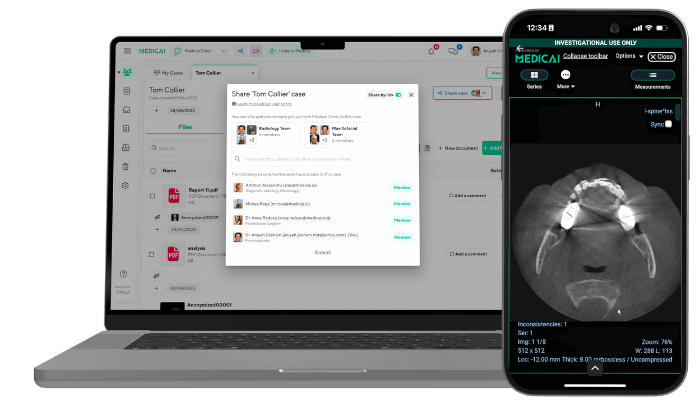
In the ever-evolving landscape of healthcare, orthopedic practices in the United States are embracing modern technology to improve patient care and streamline their operations. One significant breakthrough that is transforming the field of orthopedics is the development and implementation of interoperable medical imaging platforms. These platforms are tailored to support collaboration, enhance diagnostic accuracy, and ultimately create patient-centric pathways that improve the overall healthcare experience. In this blog post, we’ll explore how an innovative imaging solution like Medicai is reshaping orthopedic practices across the country.
The Evolution of Orthopedic Imaging
Orthopedics, the branch of medicine focused on the musculoskeletal system, has seen remarkable advancements in diagnostic imaging over the years. Traditional X-rays, magnetic resonance imaging (MRI), and computed tomography (CT) scans have long been the standard tools for orthopedic diagnosis. However, the integration of modern technology has brought forth a new era of medical imaging platforms.
Flexible, Modular, and Lightweight Solutions
The old paradigm of cumbersome, standalone imaging systems is gradually fading away. The advent of flexible, modular, and lightweight medical imaging solutions means orthopedic practices can adapt to the unique needs of each patient and the practice itself. These platforms allow for custom configurations and easy scalability, enabling practitioners to select the right tools and technologies for their specific cases. Whether it’s a busy urban hospital or a rural clinic, these platforms can be tailored to fit the environment, ensuring no patient is left behind.
Interoperability: The Key to Collaboration
One of the most significant advantages of these innovative platforms is their interoperability. In a healthcare landscape that values collaboration between specialists, referring physicians, and patients, the ability to share imaging data seamlessly is indispensable. Modern orthopedic imaging solutions like Medicai’s are built to integrate with Electronic Health Records (EHR) systems, allowing all stakeholders to access and share patient data. This interoperability streamlines the diagnostic process, enhances communication, and ultimately leads to more precise and timely care.
Improved Diagnostics
Orthopedic practices are experiencing a profound impact on diagnostic accuracy with the integration of advanced imaging platforms. Their exceptional image quality and accessibility enable orthopedic specialists to make more informed decisions. By enhancing the diagnostic process, orthopedic practices can provide patients with more effective treatment options, leading to improved outcomes.
Patient-Centric Care
Creating patient-centric pathways is at the heart of modern healthcare, and orthopedics is no exception. New imaging platforms like Medicai’s put the patient at the center of the care journey. By providing access to their own imaging data and engaging them in shared decision-making, patients become active participants in their treatment plans. This empowers patients and fosters a sense of ownership over their health.
The incorporation of a flexible, modular, lightweight, and interoperable medical imaging platform like Medicai into orthopedic practices is revolutionizing the field. The innovative solution proposed by Medicai is shaping a future where patient-centric care is not just an aspiration but a reality. By improving diagnostic accuracy, enhancing collaboration, and streamlining operations, orthopedic practices can offer their patients the best possible care, ultimately leading to better outcomes and higher patient satisfaction. As Medicai platform continues to evolve and become more accessible, orthopedics will undoubtedly be at the forefront of healthcare innovation in the coming years.

Related Articles

Lets get in touch!
Learn more about how Medicai can help you strengthen your practice and improve your patients’ experience. Ready to start your Journey?
Book A Free Demo