How medical imaging data sharing is improving health equity
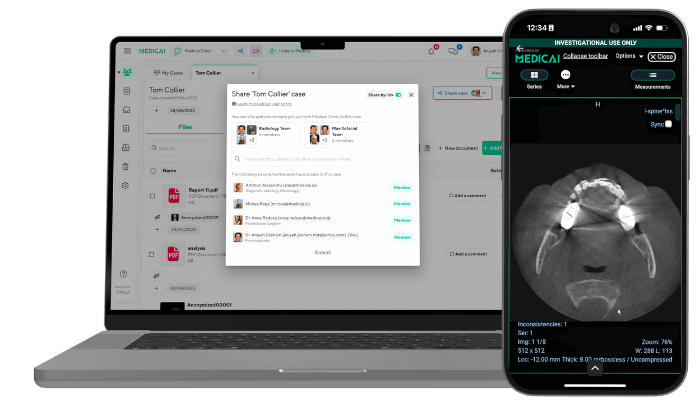
Medical imaging data sharing is a critical aspect of modern healthcare that is helping to improve health equity. With the advent of digital technologies, medical imaging data can be securely shared between healthcare providers, leading to improved diagnoses, treatments, and outcomes for patients. In this article, we will explore the various ways in which medical imaging data sharing is improving health equity, and the impact that this technology is having on communities around the world.
1. Improved Access to Specialized Care
2. Better Coordination of Care
Medical imaging data sharing can also improve the coordination of care for patients who receive treatment from multiple healthcare providers.
Healthcare professionals can make more informed decisions regarding a patient’s care and create a more thorough treatment plan if they have access to the patient’s whole medical imaging history. This may result in improved health outcomes and more effective use of healthcare funds. For example, medical imaging data sharing can allow primary care physicians and specialists to work together to provide more coordinated and integrated care for patients with chronic conditions, such as diabetes or heart disease. Healthcare professionals can monitor a patient’s progress over time and make more informed decisions regarding their care by having access to the patient’s whole medical imaging history.
3. Enhanced Remote Monitoring
Medical imaging data sharing can also support remote monitoring of patients, allowing healthcare providers to track their progress and provide prompt interventions when necessary. This is especially helpful for patients who reside in rural or distant places and may not have access to regular in-person consultations with their healthcare provider.
For example, medical imaging data sharing can allow healthcare providers to monitor the progress of patients with chronic conditions, such as heart disease or diabetes, using remote imaging techniques. By doing so, healthcare professionals may be able to identify changes in a patient’s health at an early stage, intervene quickly, and avoid complications.
4. Improved Clinical Research
Sharing data on medical imaging can aid clinical research and the creation of new therapeutics.
By having access to a large and diverse dataset, researchers can gain a better understanding of the underlying causes of medical conditions and develop more effective treatments. For example, medical imaging data sharing can allow researchers to access large datasets of medical imaging data, which can be used to identify patterns and correlations that may not be evident in smaller datasets. This can help researchers to identify new treatment approaches, develop more effective therapies, and improve health outcomes for patients.
Conclusions:
Medical imaging data sharing is a critical aspect of modern healthcare that is helping to improve health equity. By allowing healthcare providers to share medical imaging data securely and efficiently, patients can receive more accurate diagnoses and treatments, regardless of their location or financial status. With improved access to specialized care, better coordination of care, enhanced remote monitoring, and improved clinical research, medical imaging data sharing is playing a critical role in improving health outcomes and reducing health disparities. As healthcare technologies continue to evolve, medical imaging data sharing will continue to play a key role in improving health equity and providing better care for patients around the world.

Related Articles

Lets get in touch!
Learn more about how Medicai can help you strengthen your practice and improve your patients’ experience. Ready to start your Journey?
Book A Free Demo