AI in Healthcare
19 posts
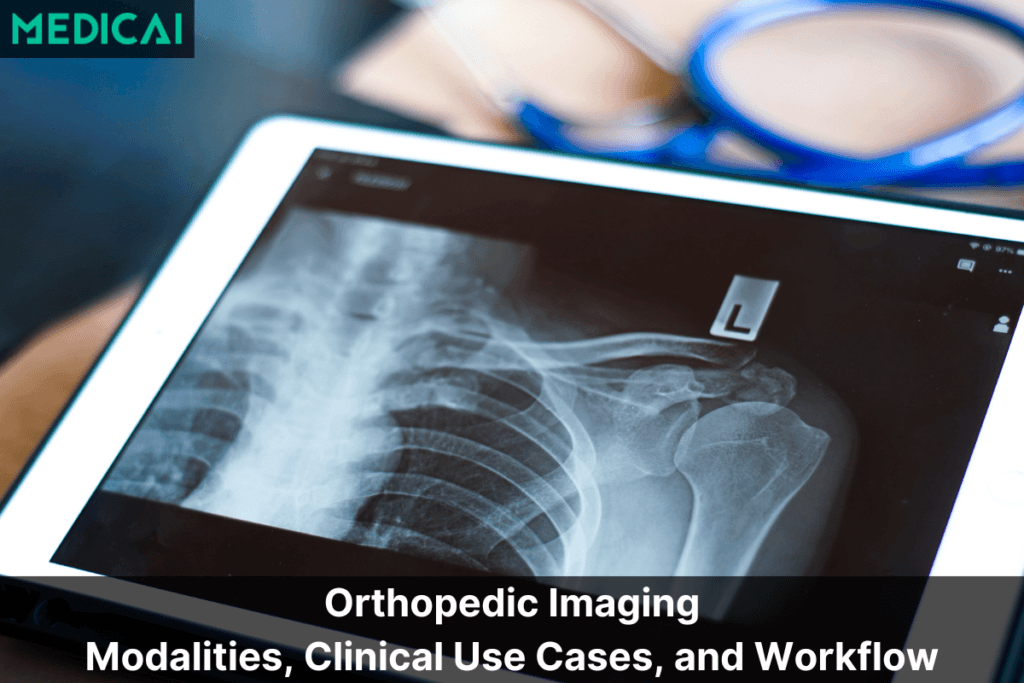
Read MoreOrthopedic Imaging: Modalities, Clinical Use Cases, and Surgical Workflow
Orthopedic Imaging: Modalities, Clinical Use Cases, and Surgical Workflow Orthopedic imaging is the application of medical imaging to the diagnosis, surgical planning, and postoperative assessment of musculoskeletal conditions, including bone fractures, joint disorders, soft-tissue injuries, spinal conditions, and degenerative changes. The clinical scope spans five primary imaging modalities (plain-film...

Read MoreRadiology Dictation Software, Voice Recognition, and Worklist Management: How the Reading Workflow Works in 2026
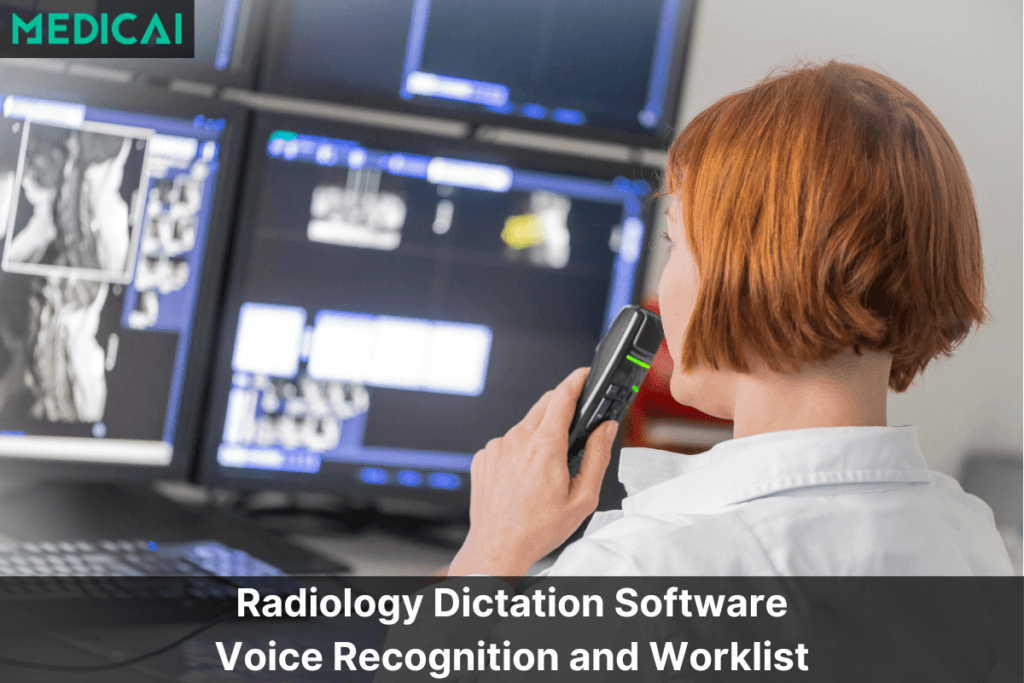
Radiology Dictation Software, Voice Recognition, and Worklist Management: How the Reading Workflow Works in 2026 Radiology dictation software, voice recognition, and worklist management are three connected components of the radiologist’s daily reading workflow. Worklist management determines which studies the radiologist reads next and in what order. Voice recognition translates the radiologist’s dictation into structured text....

Read MoreAI in Mammography: How It Works, FDA-Cleared Tools, and What Imaging Centers Need to Deploy It
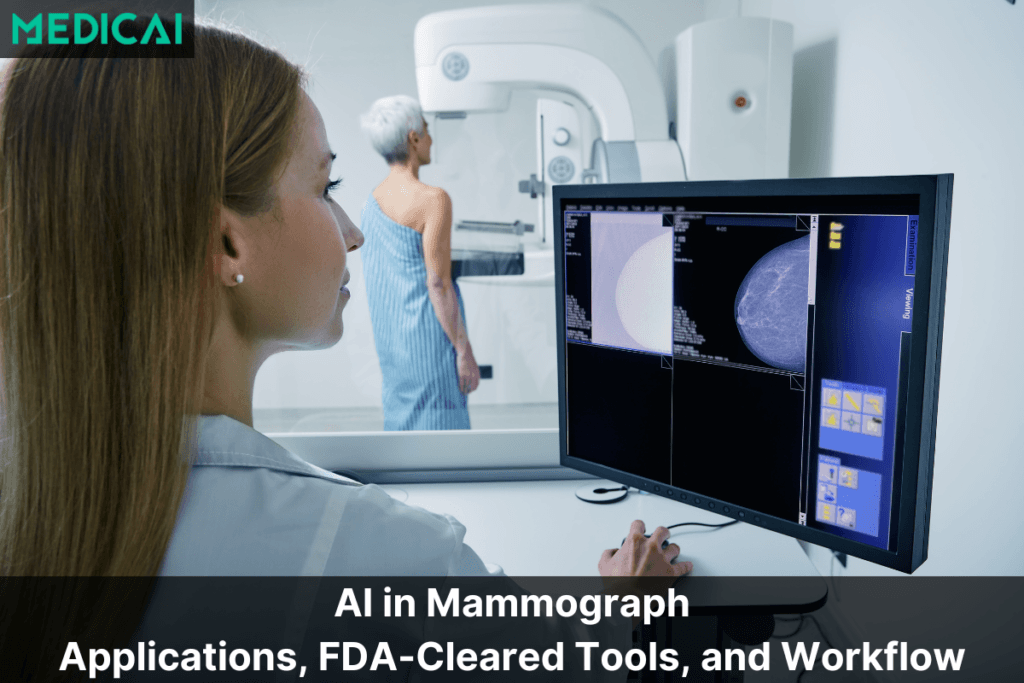
AI in Mammography: How It Works, FDA-Cleared Tools, and What Imaging Centers Need to Deploy It Artificial intelligence in mammography is the application of machine learning algorithms, primarily deep neural networks trained on large annotated mammographic image datasets, to assist with detecting breast cancer, assessing breast cancer risk, quantifying breast density, triaging screening worklists, and structuring...

Read MoreMRI Segmentation With AI: Multi-Organ Applications and Methods
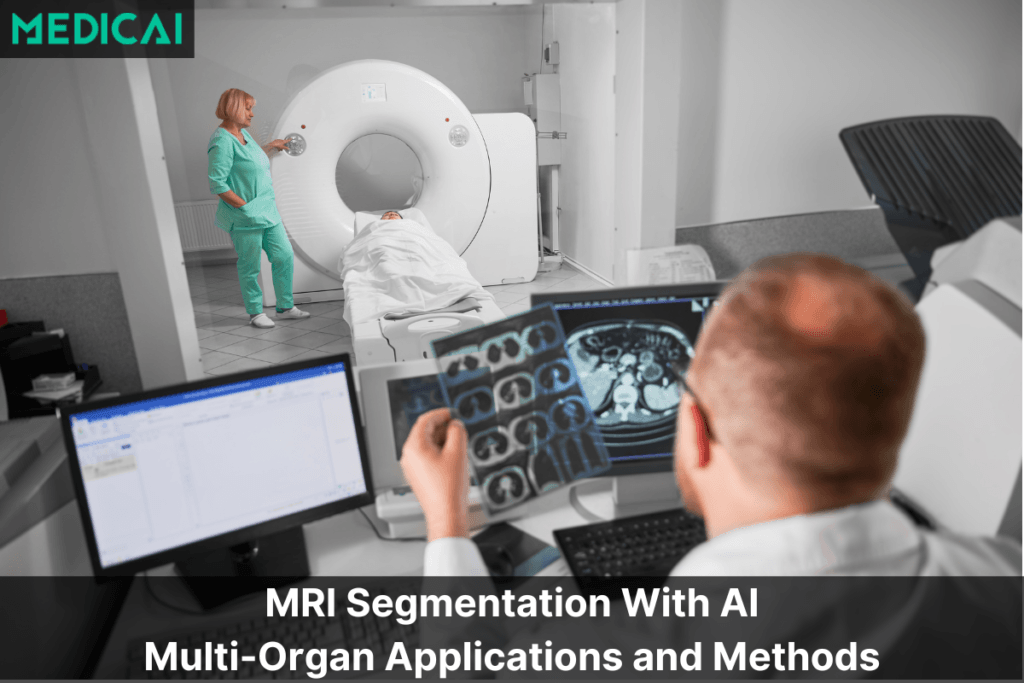
MRI Segmentation With AI: Multi-Organ Applications and Methods MRI segmentation with AI converts raw magnetic resonance imaging data into labeled maps of anatomy and pathology that clinicians and researchers can measure, monitor, and analyze quantitatively. The underlying technology is consistent across all clinical contexts: deep learning models, primarily...

Read MoreAI in Telemedicine: How It Is Used in Virtual Care, Remote Monitoring, and Teleradiology
AI in Telemedicine: How It Is Used in Virtual Care, Remote Monitoring, and Teleradiology Artificial intelligence in telemedicine is the application of machine learning, natural language processing, and computer vision to support the remote delivery of clinical care. The scope is wider than the chatbot symptom checker that most general healthcare articles focus on....

Read MoreVendor Neutral Archive Benefits: What VNA Delivers vs What Vendors Claim
Vendor Neutral Archive Benefits: What VNA Delivers vs What Vendors Claim The case for a vendor neutral archive is made the same way by every vendor that sells one. Eliminate vendor lock-in. Reduce storage costs. Enable cross-department access. Integrate images into the EHR. Prepare your archive for AI. All of these...

Read MoreWhy Imaging Infrastructure Matters for AI Generalization in Radiology
Why Imaging Infrastructure Matters for AI Generalization in Radiology Artificial intelligence has shown impressive results in radiology research settings. From mammography to CT and MRI, AI models often achieve high accuracy when evaluated on curated datasets. Yet once deployed in real clinical environments, many of these same models struggle...

Read MoreAI Orchestration in PACS: Moving Beyond "Buzzwords" to Real Workflow
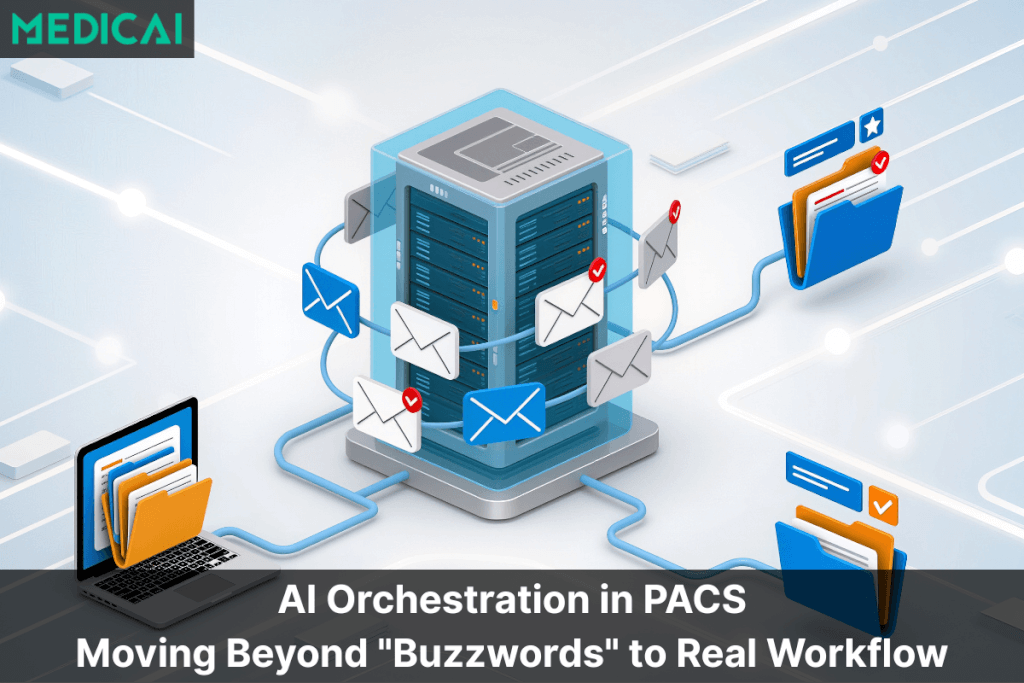
AI Orchestration in PACS: Moving Beyond "Buzzwords" to Real Workflow AI orchestration in PACS is the workflow control layer that triggers inference, applies routing rules, selects models, and delivers AI results back into PACS worklists and reporting in a way clinicians actually use. This guide explains AI orchestration in PACS,...

Read MoreDoes AI Really Deliver Economic Value in Radiology? What the Evidence Says
Does AI Really Deliver Economic Value in Radiology? What the Evidence Says Economic value from radiology AI is not guaranteed. A January 2026 systematic review found that only 21 studies out of 1,879 screened records (about 1%) actually quantified economic outcomes, and the results depended on task complexity, examination volume, and the...

Read MoreAgentic Document Processing: The Future of Intelligent Healthcare Workflows
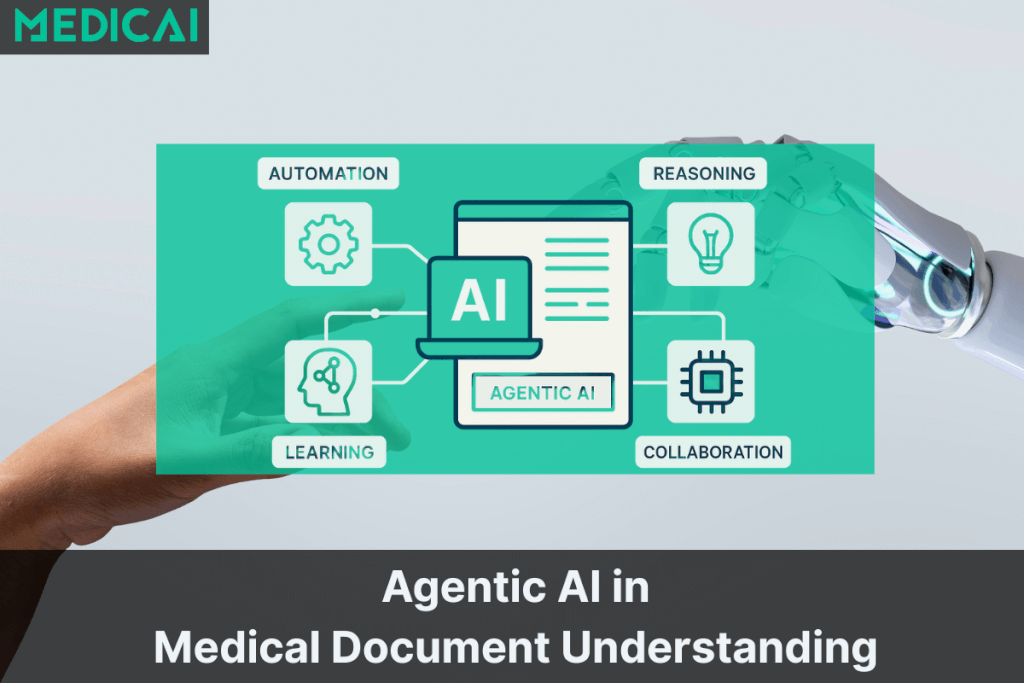
Agentic Document Processing: The Future of Intelligent Healthcare Workflows For years, healthcare automation relied on rules—if-then systems that could only handle predictable inputs. If a referral form matched a known template, it was processed; if not, it was flagged for human review. But the reality of healthcare data is...

Read MoreHow AI Document Extraction Accelerates Clinical Workflows
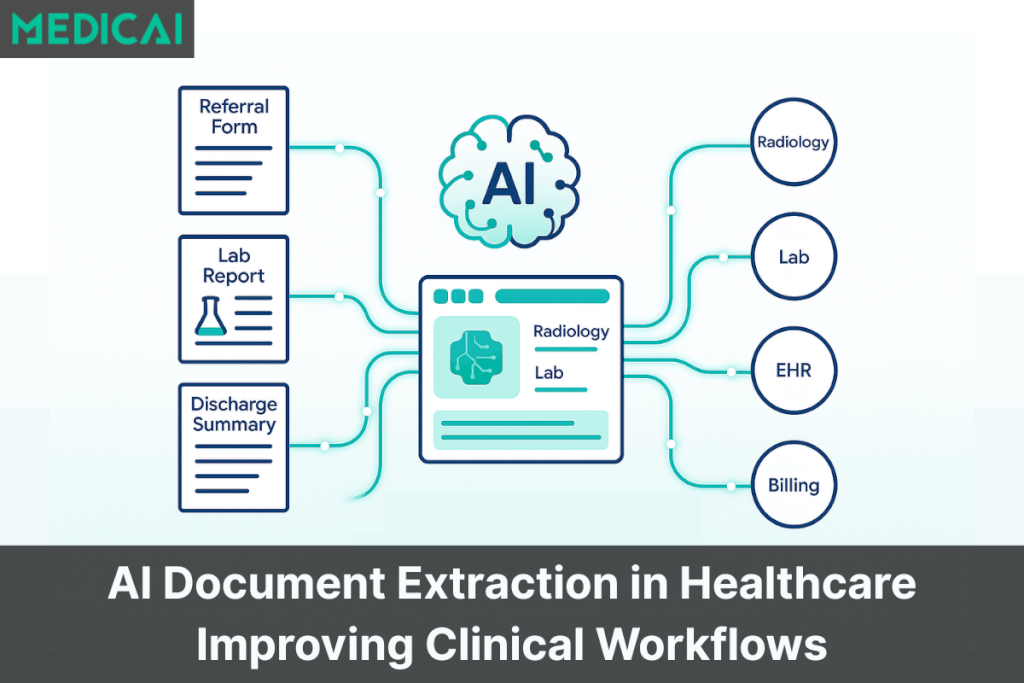
How AI Document Extraction Accelerates Clinical Workflows Healthcare runs on documents — referrals, reports, authorizations, discharge summaries, and imaging requests. Each plays a critical role in diagnosis and care coordination, yet most are still processed manually.This administrative bottleneck delays treatment, increases clinician burnout, and slows down operational...

Read MoreFrom Upload to Insight: How AI Simplifies Patient Document Processing
From Upload to Insight: How AI Simplifies Patient Document Processing In modern healthcare, efficiency isn’t just a nice-to-have — it’s a necessity. Yet one of the biggest time sinks in hospitals and clinics remains patient paperwork. From onboarding forms and consent documents to referral letters and insurance proofs, the process...