Healthcare Trends and Innovations
This category delves into the cutting-edge advancements and transformative shifts shaping the future of healthcare. This section spotlights emerging technologies, innovative treatment methods, and the evolving landscape of patient care. Articles cover topics such as artificial intelligence, telemedicine, personalized medicine, and the integration of digital health tools, offering insights into how these developments are revolutionizing the healthcare industry and improving patient outcomes.
149 posts
Read MoreOncology PACS: The Future of Cancer Imaging and Treatment

Oncology PACS: The Future of Cancer Imaging and Treatment Cancer doesn’t wait—so why should imaging? With cancer cases rising and imaging data growing exponentially, oncologists need a faster, smarter way to manage medical images. Enter Oncology PACS! Oncology PACS is a specialized imaging solution for storing, retrieving, and sharing...

Read MoreBenign vs Malignant: Is Your Tumor Cancerous?
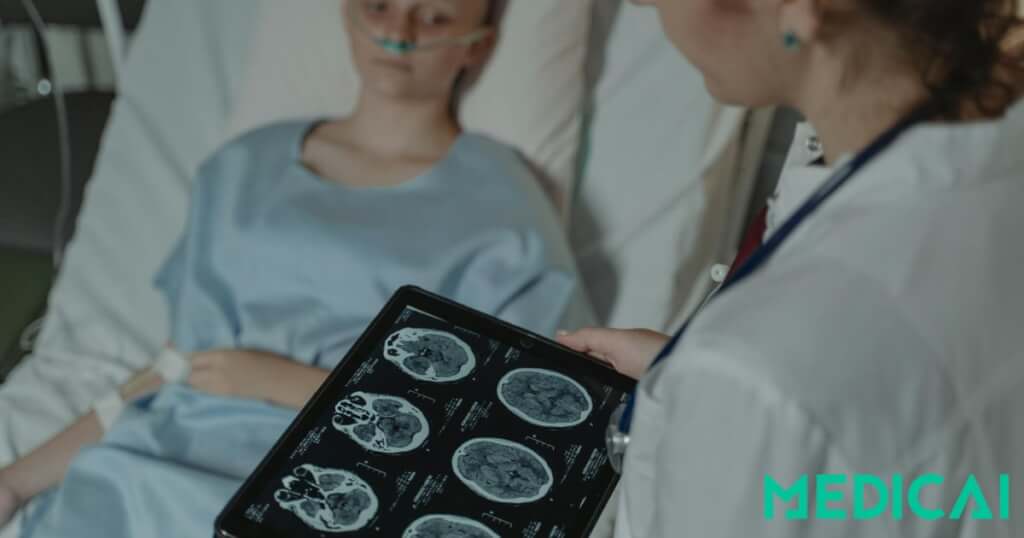
Benign vs Malignant: Is Your Tumor Cancerous? Finding out you have a tumor raises one question first: is it cancer? Tumors are abnormal growths of cells in the body. Not all tumors are cancerous. While some are harmless, some can be aggressive and life-threatening. Benign tumors are...

Read MoreCardiology PACS vs. Radiology PACS: Why Specialized CVIS Integration Matters
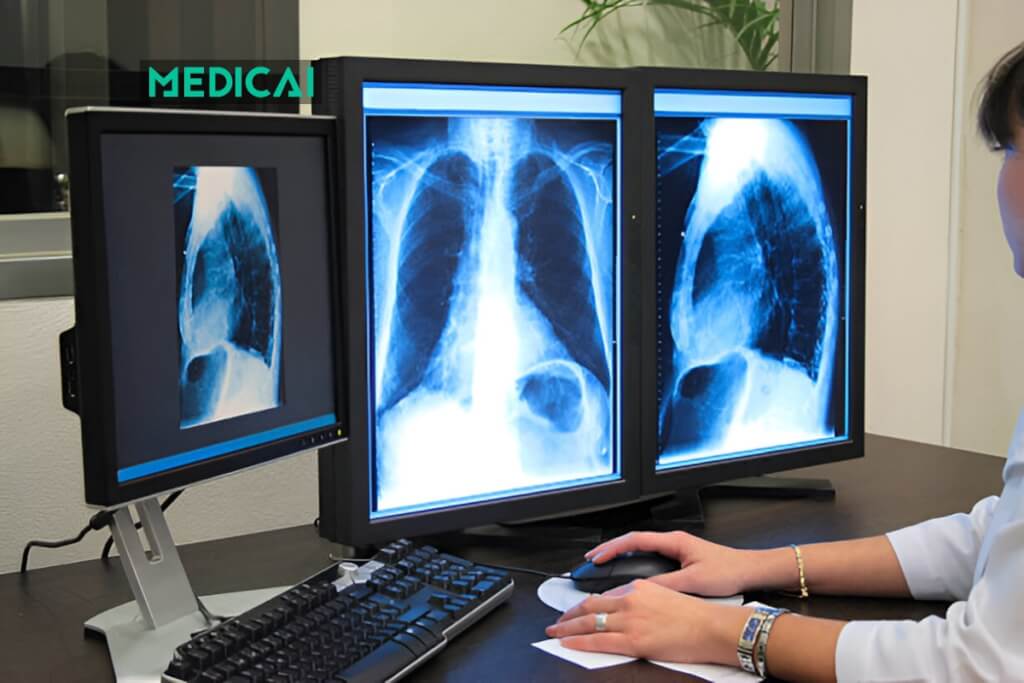
Cardiology PACS vs. Radiology PACS: Why Specialized CVIS Integration Matters Precision is the baseline in modern healthcare, but efficiency is the differentiator. While many institutions attempt to shoehorn cardiac imaging into general Radiology systems, the reality is distinct: The heart is dynamic, and your imaging system must be too. A...

Read MoreMedical Image Sharing for Lawyers: Requests, Chain of Custody, and Evidence
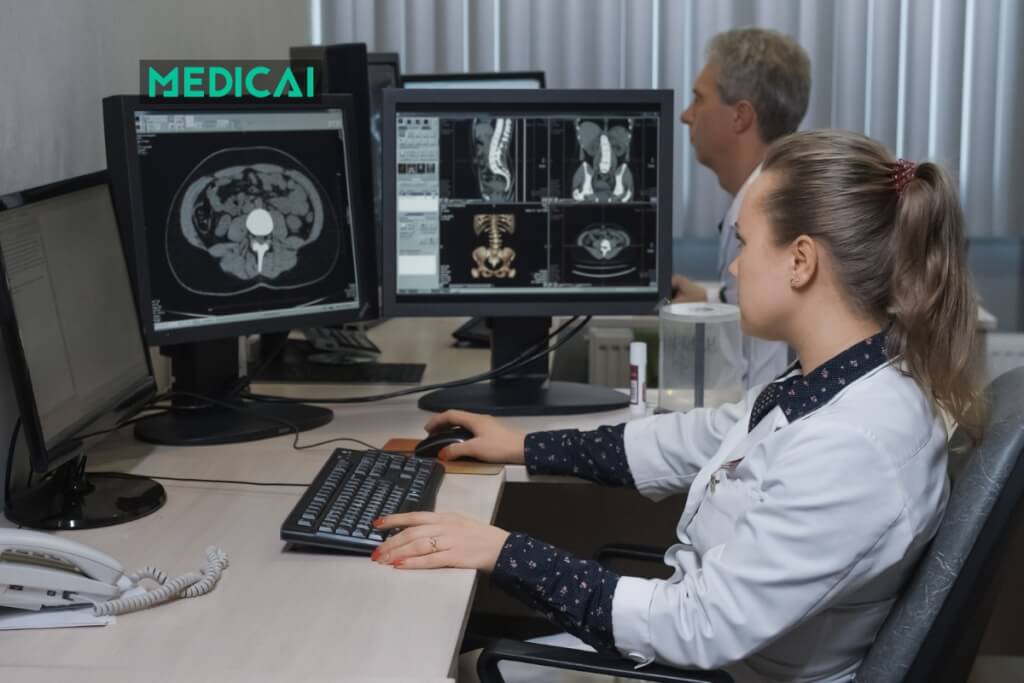
Medical Image Sharing for Lawyers: Requests, Chain of Custody, and Evidence In personal injury and medical malpractice cases, imaging is often the most objective evidence of harm. An MRI showing a herniated disc, a CT showing a skull fracture, or a missed finding on a prior scan can shape liability, damages,...

Read MoreHow PACS and RIS Systems Improve Imaging Workflows in Healthcare
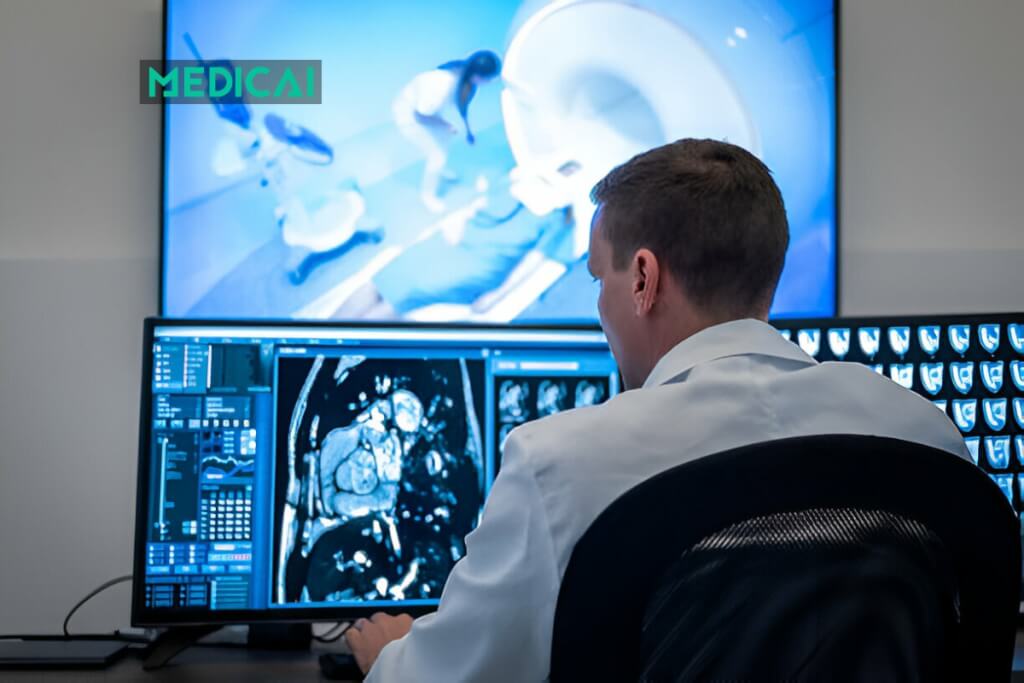
How PACS and RIS Systems Improve Imaging Workflows in Healthcare Imagine a radiologist receiving an urgent case at 3 AM. Instead of wrestling with slow servers and missing files, she instantly accesses high-resolution brain scans on her tablet, collaborates with specialists across the hospital, and delivers a life-saving diagnosis in...

Read MoreWhy Telehealth Workflow Matters: Strategies for Better Virtual Care

Why Telehealth Workflow Matters: Strategies for Better Virtual Care Have you ever had a frustrating telehealth experience—dropped calls, endless paperwork, or mismanaged follow-ups? While virtual care has transformed healthcare, a poorly structured telehealth workflow can create more problems than solutions. A strong telehealth workflow is the backbone of virtual...

Read MoreAI in Neurology Imaging: Clinical Uses, FDA-Cleared Tools, and Limits
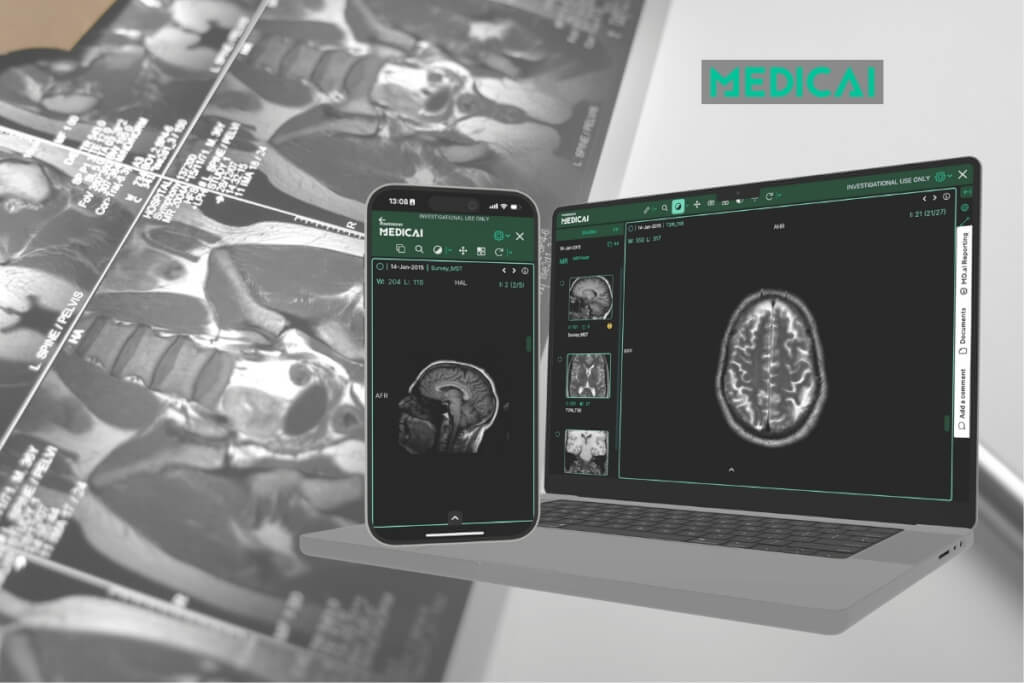
AI in Neurology Imaging: Clinical Uses, FDA-Cleared Tools, and Limits AI in neurological imaging is software, mostly based on deep learning, that detects, measures, or prioritizes findings on brain and spine CT and MRI scans. Today it is used in four main ways: Most of these tools are FDA-cleared as...

Read MoreThe Future of Radiology: Large Language Models in Structured Reporting
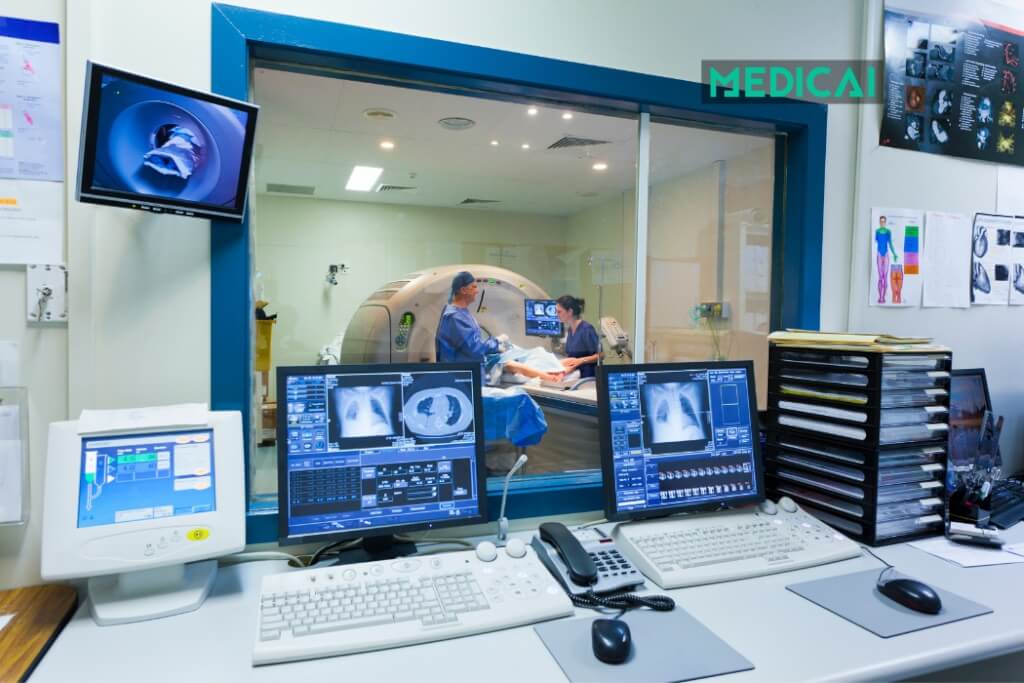
The Future of Radiology: Large Language Models in Structured Reporting The days of ambiguous reports are gone—Structured Radiology Reporting (SRR) in radiology guarantees every detail is clear, concise, and actionable. Now, imagine pairing SRR with the power of cutting-edge AI. Enter the large language models (LLMs) application, the transformative technology...

Read MoreWhat Can an EEG Show That an MRI Cannot?
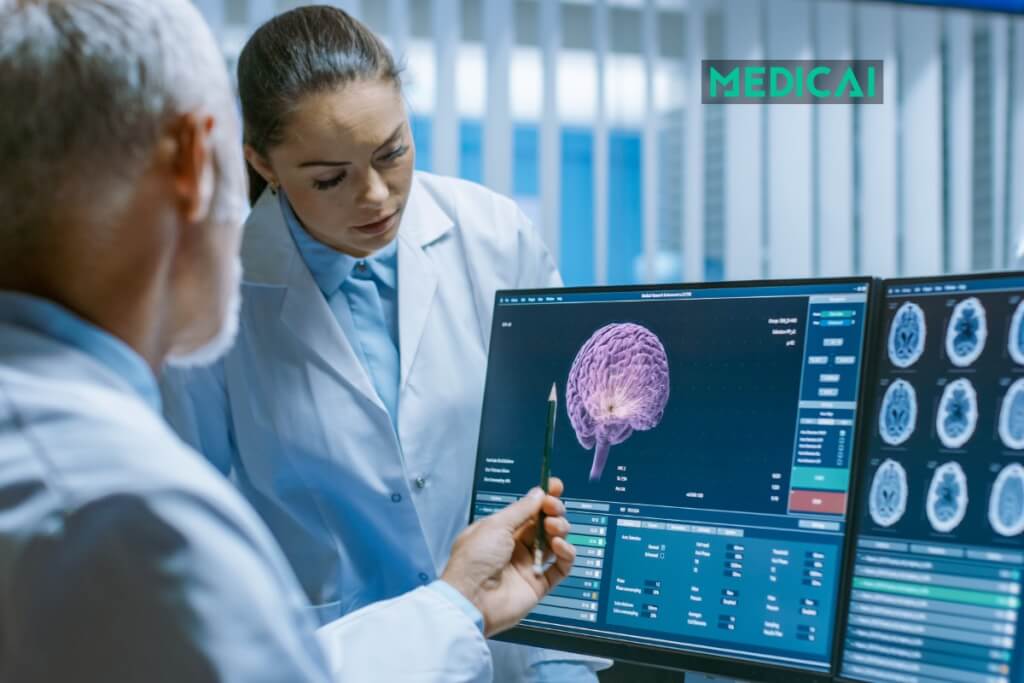
What Can an EEG Show That an MRI Cannot? EEG and MRI do not measure the same thing. EEG records electrical activity in the brain, while MRI shows brain structure. That is why EEG can detect seizure-related activity and timing patterns that MRI may not show, while MRI can...

Read MoreEHR Advantages and Disadvantages: Benefits, Risks, and What Healthcare Providers Need to Know
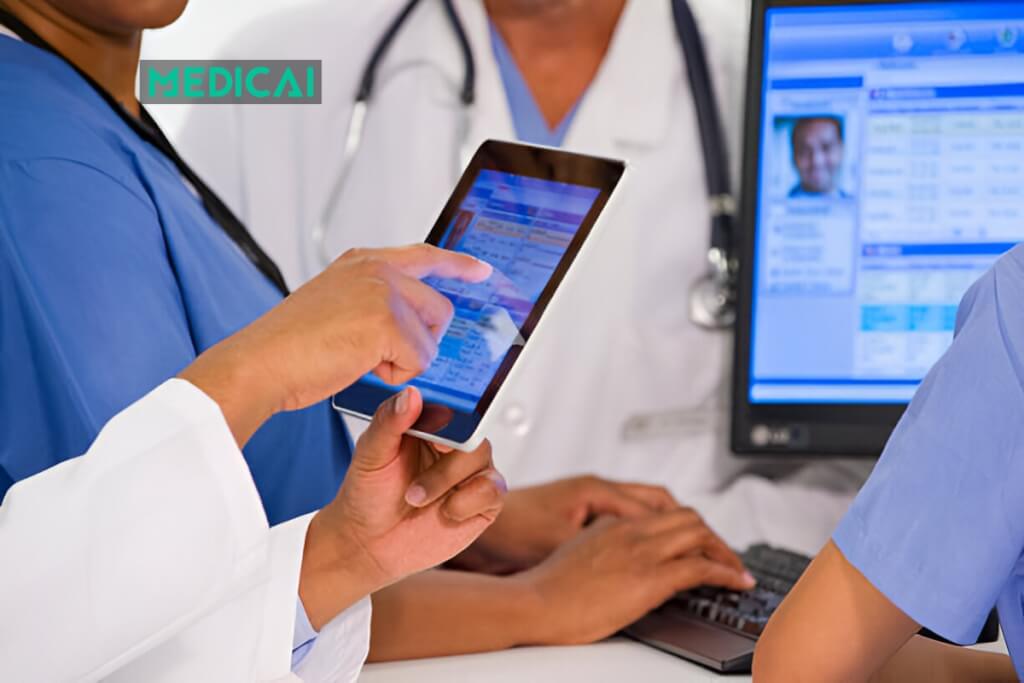
EHR Advantages and Disadvantages: Benefits, Risks, and What Healthcare Providers Need to Know Electronic health records (EHR) are digital systems that store, retrieve, and share patient health information across multiple providers and care settings. EHR adoption in US hospitals exceeds 96% as of 2024, making them the operational backbone of most healthcare organisations....

Read MoreAI-Powered Radiology: Smarter Structured Reporting
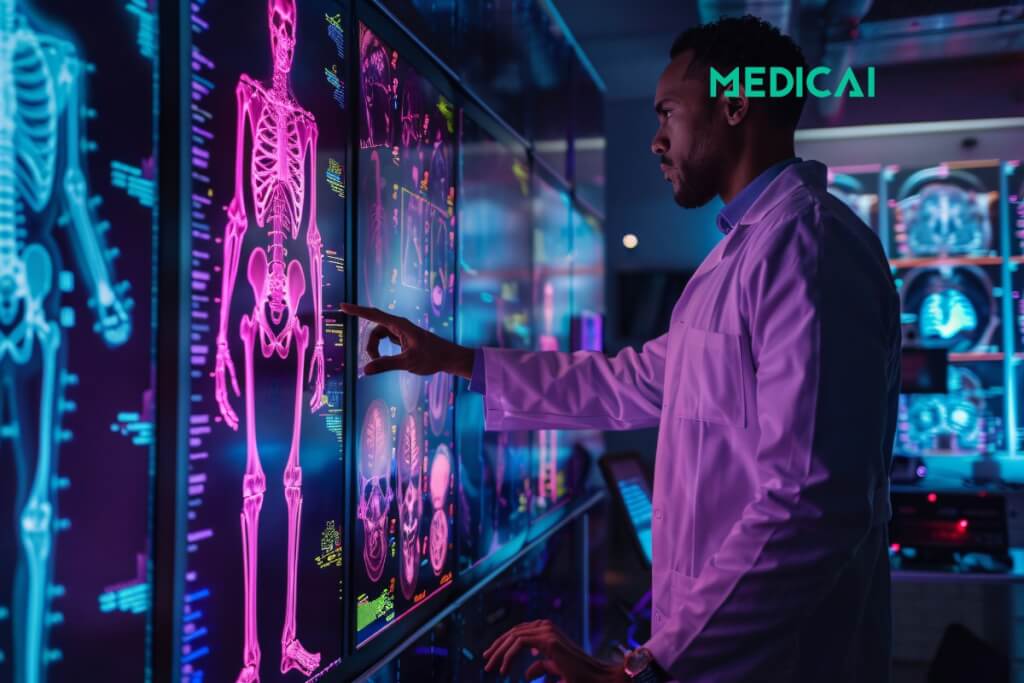
AI-Powered Radiology: Smarter Structured Reporting What if radiology reports could deliver not just results but faster decisions and better outcomes? Well, AI-driven structured radiology reporting (SRR) indeed promises to fulfill this goal, where advanced technology meets precision care. In 2022, structured reporting (SR) was used...

Read MoreTop AI Diagnostic Vendors and Platforms for Healthcare
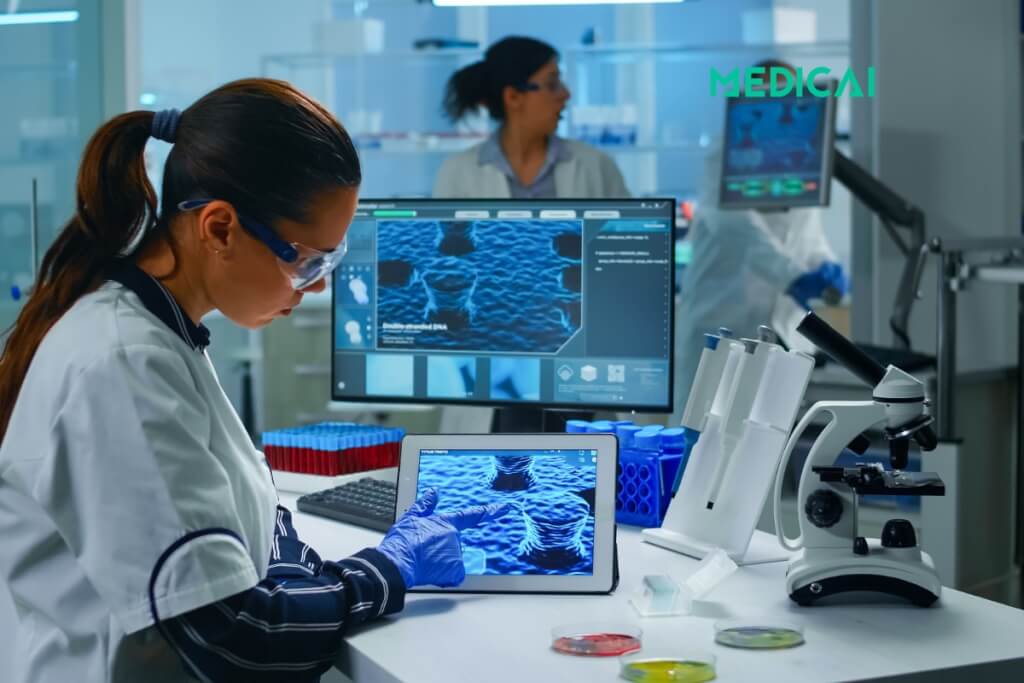
Top AI Diagnostic Vendors and Platforms for Healthcare AI diagnostic vendors develop software that helps healthcare organizations analyze medical images, pathology slides, laboratory data, and patient-reported symptoms. These tools can support clinicians by prioritizing time-sensitive cases, automating measurements, standardizing imaging data, identifying potential findings, organizing laboratory information, and...
