Medical Imaging Technology
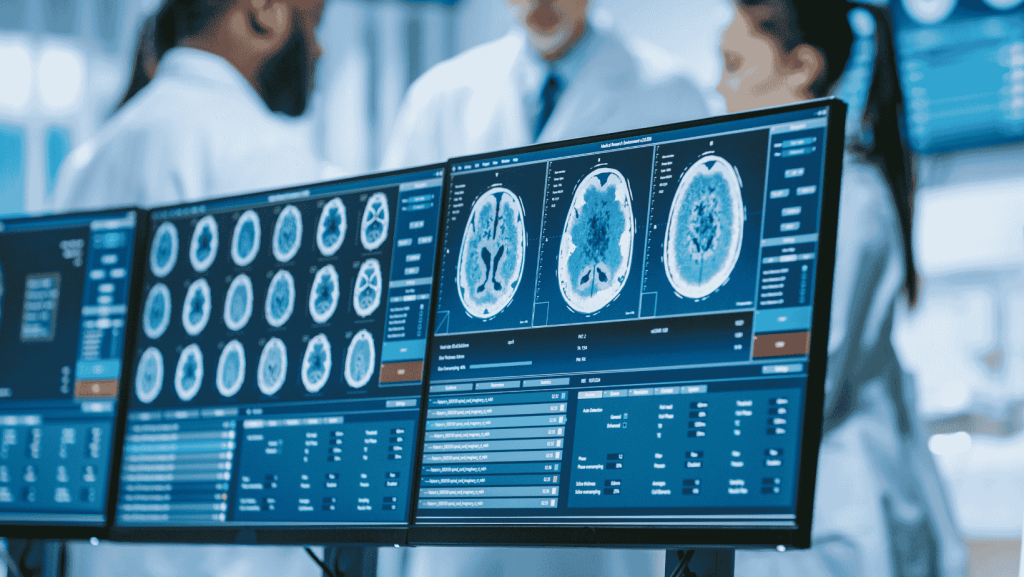
The Medical Imaging Technology category highlights the latest advancements and innovations in medical imaging. This section covers topics such as the development of new imaging techniques, improvements in diagnostic accuracy, and the integration of technologies like artificial intelligence and cloud-based solutions. Articles explore how these innovations are transforming the way healthcare professionals capture, analyze, and utilize imaging data to improve patient care and streamline medical workflows.
136 posts
Read MoreWhy Healthcare Fax Still Fits Referrals, Records, and Signatures

Why Healthcare Fax Still Fits Referrals, Records, and Signatures Healthcare systems have poured billions into interoperability, yet U.S. organizations still exchange more than 9 billion fax pages annually. Despite all that investment in structured data standards, frontline medical teams keep moving discharge paperwork, outside records, and signed forms across...

Read MoreHandling Long-Tail Imaging Requests: A PACS and VNA Workflow for Retrieving Years-Old Studies
Handling Long-Tail Imaging Requests: A PACS and VNA Workflow for Retrieving Years-Old Studies Radiology operations are designed around current examinations: acquire the images, route them to a worklist, complete the interpretation, and make the report available to the clinical team. Historical requests expose a different set of weaknesses. An outside physician, patient, researcher,...

Read More5 DICOM Viewers you should know about
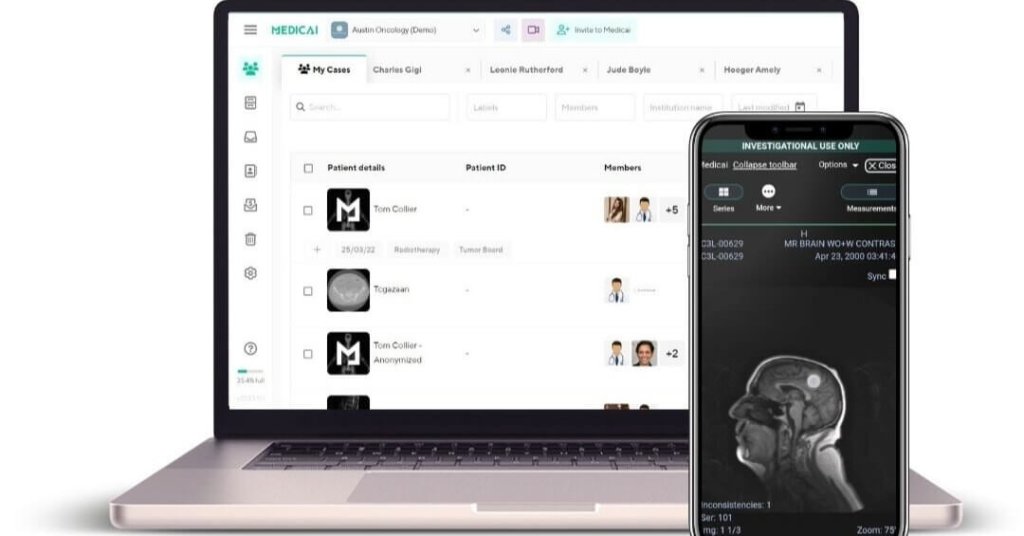
5 DICOM Viewers you should know about We are looking through 5 DICOM Viewers that you should know about, from spectacular Medicai to InteleViewer, OsirixMD, Horos and RadiAnt and more.

Read More3 ways you can transition you medical imaging clinic to a value based care practice
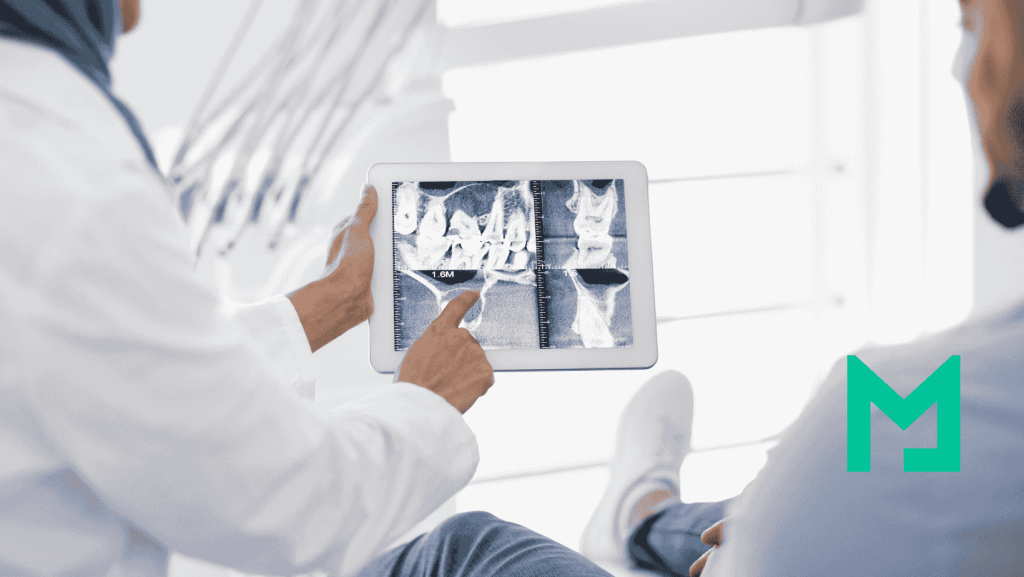
3 ways you can transition you medical imaging clinic to a value based care practice Shifting to a value-based care practice requires a strategic approach that focuses on delivering high-quality care while optimizing resource utilization. In this blog post, we will explore three essential steps to help your medical imaging clinic successfully transition to a value-based care practice.

Read MoreHow Neuroimaging changes diagnosis of neurological disorders
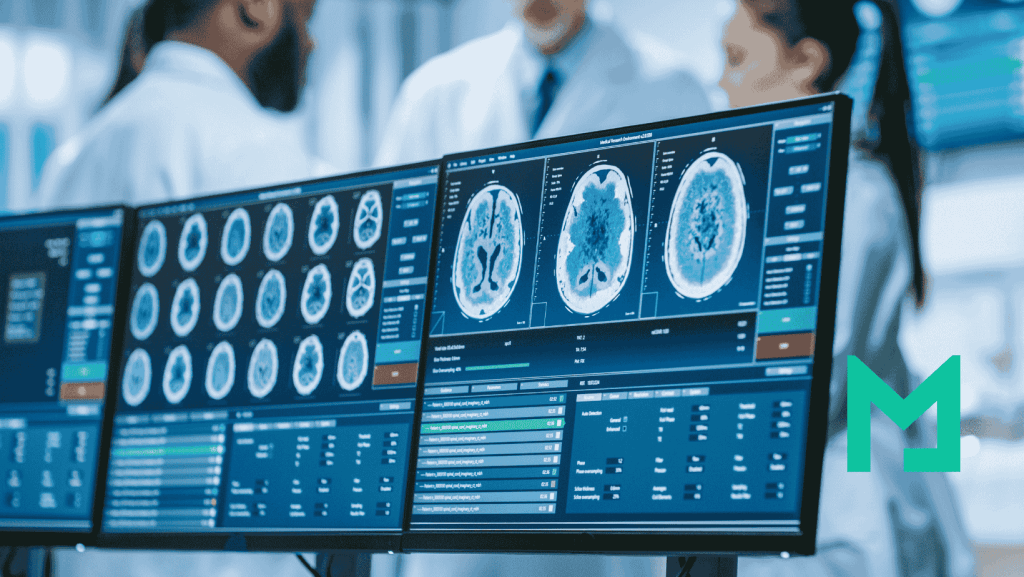
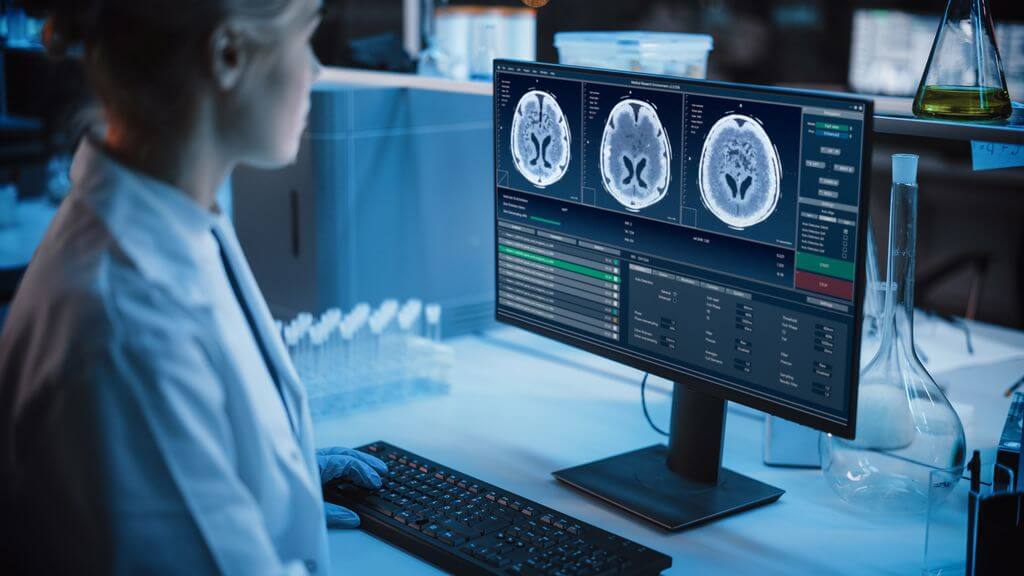
How Neuroimaging changes diagnosis of neurological disorders Medical imaging is a crucial tool in the field of neurology, as it allows for the visualization of the structures and functions of the brain and nervous system.

Read MoreStreamlining multidisciplinary team boards using a cloud based medical imaging platform

Streamlining multidisciplinary team boards using a cloud based medical imaging platform Cloud-based medical imaging platforms can streamline MDT meetings and improve patient outcomes by facilitating real-time collaboration between medical professionals.

Read MoreHow can radiology improve its service to oncologists?
How can radiology improve its service to oncologists? The different ways radiology can improve cancer care and the ways in which radiology can improve its service to oncologists.

Read MoreMedical Imaging Storage Solutions: Improving the Management and Preservation
Medical Imaging Storage Solutions: Improving the Management and Preservation When imaging is required, the storage and management of images are key. This article looks at the improvements in medical imaging storage and preservation

Read MoreThe Evolution of Medical Imaging: How Each Modality Has Advanced
The Evolution of Medical Imaging: How Each Modality Has Advanced In 2026, medical imaging technology continues to evolve, bringing new capabilities and advancements that further improve patient care.

Read MoreHow to create a medical image management strategy
How to create a medical image management strategy This article explores the importance of medical imaging management strategies and how they can improve patient care.

The role of medical imaging in rare diseases From X-rays to MRIs, these technologies allow healthcare providers to see inside a patient's body, improving diagnostic imaging in rare diseases
What is a zero footprint infrastructure for imaging data? Zero footprint infrastructure refers to the concept of creating a digital environment that allows for the managing imaging without physical hardware