Medical Imaging Technology
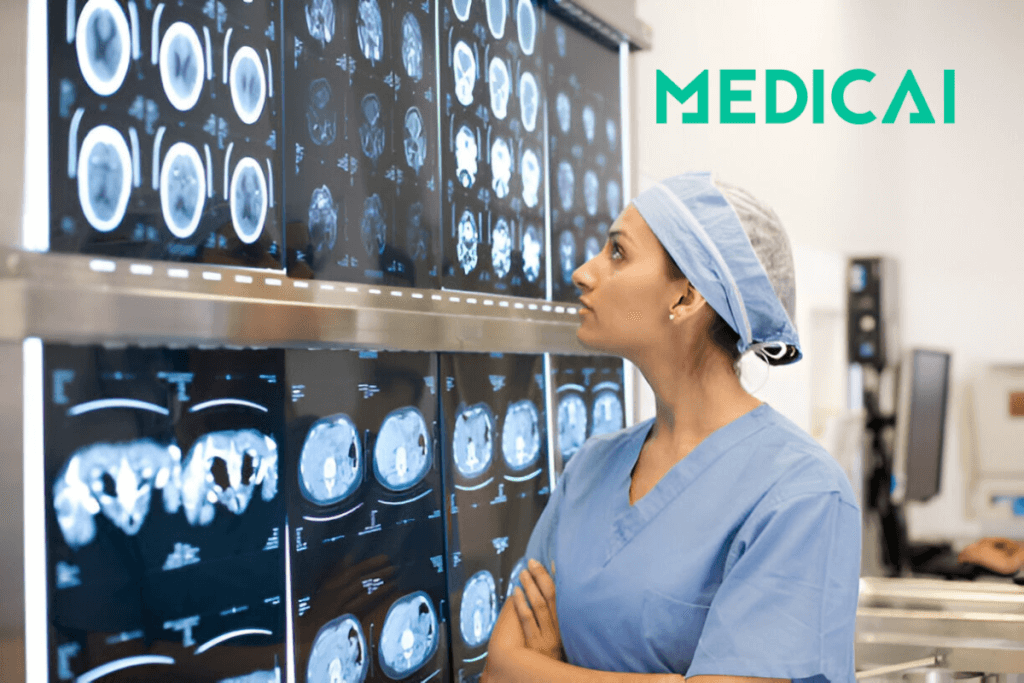
The Medical Imaging Technology category highlights the latest advancements and innovations in medical imaging. This section covers topics such as the development of new imaging techniques, improvements in diagnostic accuracy, and the integration of technologies like artificial intelligence and cloud-based solutions. Articles explore how these innovations are transforming the way healthcare professionals capture, analyze, and utilize imaging data to improve patient care and streamline medical workflows.
132 posts
Read MorePhoton Counting CT vs. Energy-Integrating CT: A New Era in Liver Lesion Detection?
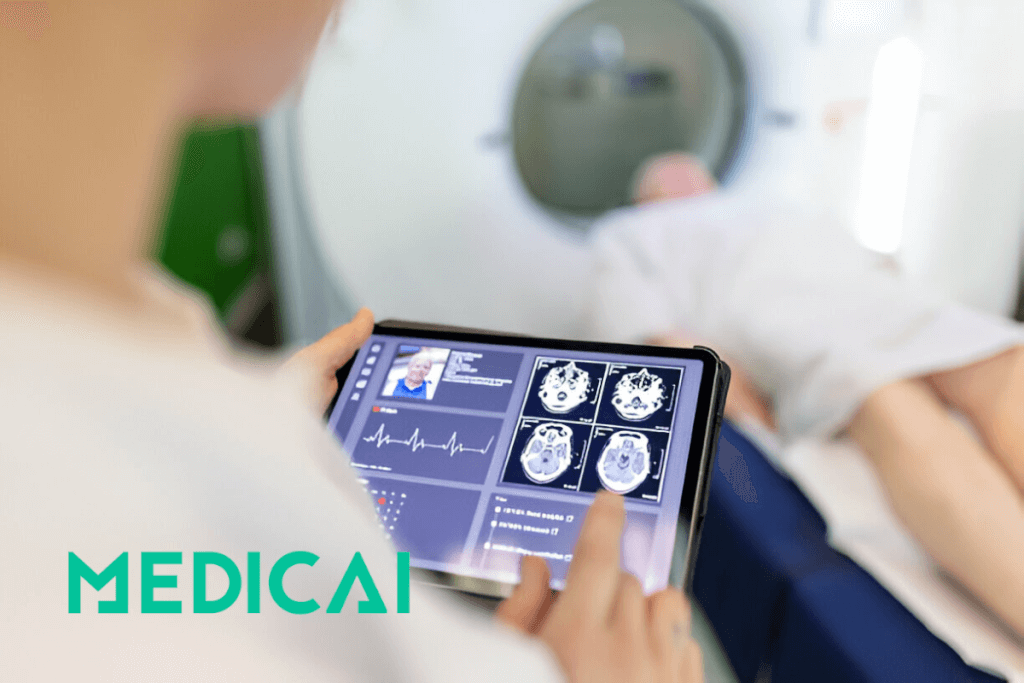
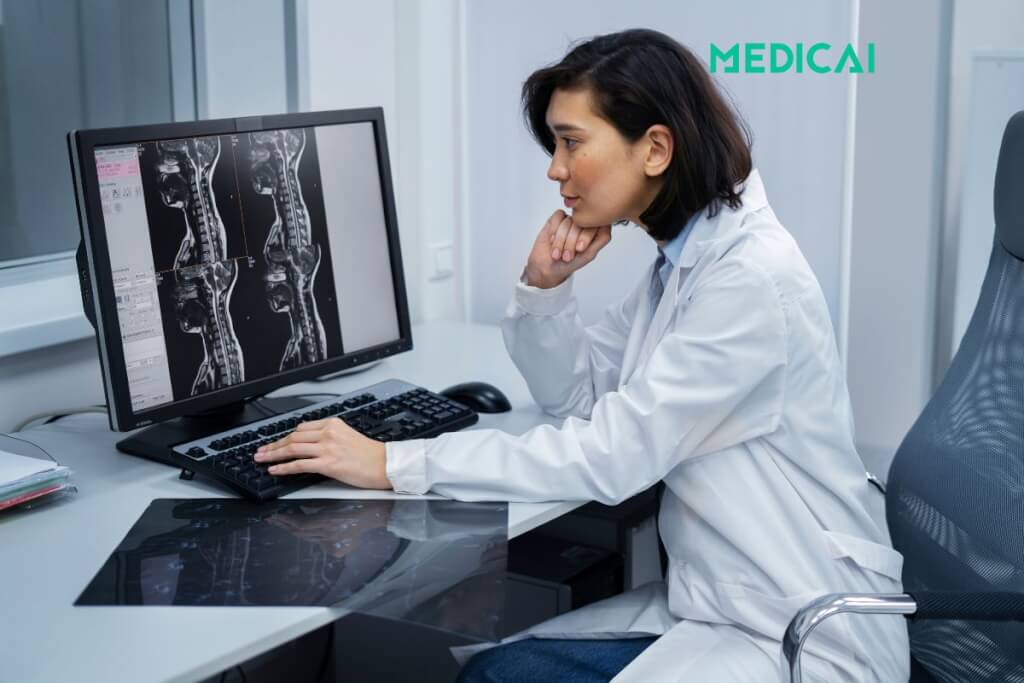
Photon Counting CT vs. Energy-Integrating CT: A New Era in Liver Lesion Detection? Computed tomography (CT) scans are a cornerstone of medical imaging, helping doctors diagnose various conditions. But what if there was a way to make these scans even more accurate and detailed? Enter photon-counting CT (PCCT). This newer technology promises to...

Read MoreThe Future of DICOM Viewers and Medical Imaging: AI, Cloud, and Trends Through 2030
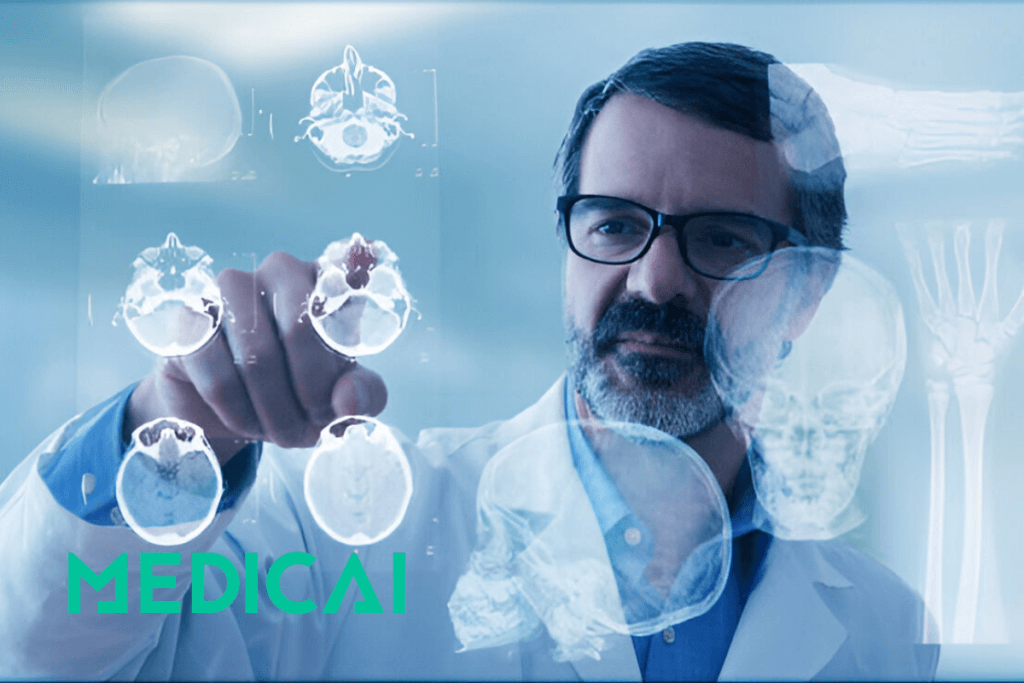
The Future of DICOM Viewers and Medical Imaging: AI, Cloud, and Trends Through 2030 Imagine a future where diagnosing a life-threatening disease happens in minutes, not hours. Or picture a surgeon viewing a patient’s anatomy in 3D before making a single incision. The future of medical imaging is here, and it begins with the...

Read MoreDICOM Communication Protocol: How Is It Transforming Modern Medical Imaging Workflows
DICOM Communication Protocol: How Is It Transforming Modern Medical Imaging Workflows Picture this: a doctor in one hospital cannot view a life-saving MRI scan done in another hospital simply because the systems aren’t compatible. What can be scarier than this? However, it was a common picture when medical imaging lacked standardization....

Read MoreHL7 vs DICOM: Decoding the Backbone of Healthcare IT
HL7 vs DICOM: Decoding the Backbone of Healthcare IT HL7 vs DICOM is a standards comparison: HL7 handles clinical and administrative messages such as admissions, orders, and results, while DICOM handles medical imaging objects and imaging metadata. Every second counts when a clinician is waiting on the right patient...

Read MoreDICOM Modality Types: Powering the Future of Medical Imaging
DICOM Modality Types: Powering the Future of Medical Imaging The healthcare world is changing rapidly, and so are diagnostic imaging technologies that help make accurate diagnoses and treatment plans. And behind these technologies lies a silent enabler—DICOM modality types—ensuring everything works harmoniously. DICOM modality types are standardized labels that...

Read MoreWhat Is PACS in Healthcare: How Picture Archiving and Communication Systems Work
What Is PACS in Healthcare: How Picture Archiving and Communication Systems Work PACS (Picture Archiving and Communication System) is the medical imaging IT platform hospitals and radiology departments use to store, retrieve, and view diagnostic images such as X-rays, CT scans, MRIs, and ultrasounds. PACS replaces the film-and-light-box workflow of pre-digital radiology,...

Read MorePACS: 130 Years of Medical Imaging Evolution to Sustain Personalized Care
PACS: 130 Years of Medical Imaging Evolution to Sustain Personalized Care Medical imaging data (from X-rays, CT scans, ultrasounds, MRIs, and digital pathology) was once primarily stored in physical formats, such as film. Today, however, these images are captured, managed, and stored digitally using advanced systems, improving accessibility and sharing capabilities....

Read MoreOpen MRI vs Closed MRI: What’s the Difference and Why It Matters
Open MRI vs Closed MRI: What’s the Difference and Why It Matters Open MRI is usually better for comfort, claustrophobia, and larger body size, while closed MRI is usually better when image quality and exam flexibility matter most. Closed MRI is usually the right choice when the exam requires the highest image...

Read MoreEHR Systems integrations with medical imaging
EHR Systems integrations with medical imaging The landscape of electronic health records (EHR) continues to evolve rapidly, with numerous vendors offering robust, innovative solutions designed to enhance the efficiency and effectiveness of healthcare delivery. In 2024, several EHR vendors stand out for their comprehensive features, usability, and ability to integrate with other health tech solutions.
EHR integrations are crucial in this ecosystem, facilitating seamless data exchange and interoperability. In this article, we showcase the top EHR vendors of the year and explore how Medicai, a leading medical imaging platform, can seamlessly integrate with these systems to optimize healthcare operations.

Read MoreWhat would it mean to have a data exchange in medical imaging?
What would it mean to have a data exchange in medical imaging? Health Information Exchange (HIE) is the electronic sharing of health-related information among healthcare organizations and providers. This system enables the secure and efficient exchange of patient medical data, including demographics, medical histories, laboratory results, medication lists, and diagnostic images, across diverse healthcare settings.

Read MoreCloud PACS vs On-Premise PACS: Architecture, Cost, and Performance Compared
Cloud PACS vs On-Premise PACS: Architecture, Cost, and Performance Compared Cloud PACS is a medical imaging platform that stores, retrieves, and distributes DICOM studies on remote cloud infrastructure; on-premises PACS performs the same functions on servers physically located within the healthcare facility — the choice between them determines the cost...

Read MoreMedicai: Enhancing Teleradiology and Telemedicine with Lightweight Cloud Infrastructure
Medicai: Enhancing Teleradiology and Telemedicine with Lightweight Cloud Infrastructure Teleradiology is a branch of telemedicine that focuses on transmitting radiological images, such as X-rays, CT scans, and MRIs, from one location to another for the purpose of interpretation and diagnosis.
This technology enables radiologists to provide their expertise to remote or underserved areas where on-site radiology services are unavailable. Teleradiology leverages advanced communication technologies and digital imaging systems to ensure patients receive timely and accurate diagnoses, irrespective of geographical constraints.