How a Mental Health Assessment—and Imaging—Can Lead to a Brighter Life

Sometimes, we know something is wrong, but can’t tell what it is. Is it your sleep schedule? Stress? Are you feeling depressed? When you’re in the thick of it, it can be hard to tell. This is where a mental health assessment can help you gain clarity—and in some cases, medical imaging can play a supporting role in uncovering the full picture.
What Is a Mental Health Assessment?
A mental health assessment is a structured evaluation that helps identify emotional, psychological, and behavioral challenges. You can take a quick online screening to get an idea of what you might be experiencing, or you can see a licensed professional for a full clinical evaluation.
If you’re facing depression, anxiety, stress, or simply don’t feel like yourself, a mental health test can be the first step toward understanding what’s going on and getting the right help.
When Imaging Supports Mental Health Care
While many mental health conditions are diagnosed through conversation and questionnaires, certain cases benefit from neuroimaging—MRI, CT, PET, or EEG—especially when symptoms may be linked to physical changes in the brain.
For example:
- Traumatic brain injuries that trigger mood changes or memory issues.
- Strokes or tumors affecting emotional regulation.
- Neurodegenerative conditions like dementia can cause depression or anxiety.
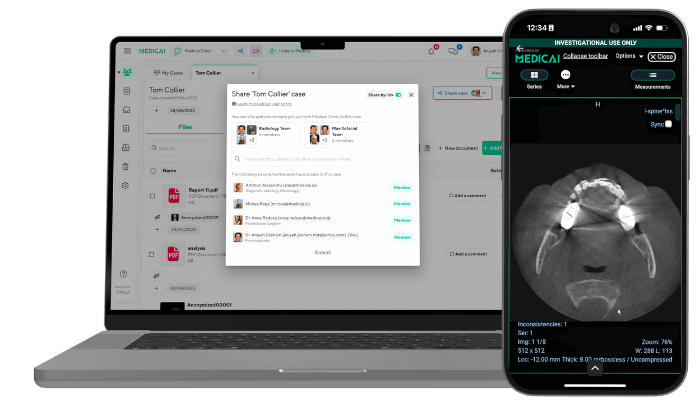
In these cases, radiology becomes part of the assessment process. Here, PACS (Picture Archiving and Communication System) and DICOM viewers allow providers to store brain scans securely, compare results over time, and collaborate with other specialists—all of which help ensure mental health care is based on the most accurate, complete information.
Who Should Consider a Mental Health Assessment?
Anyone can take one—there’s no need to wait until things feel “bad enough.” You might consider it if you:
- Feel persistent sadness, irritability, or anxiety.
- Struggle to sleep, focus, or manage daily tasks.
- Notice changes in appetite, mood, or behavior.
- Experience a major life event or trauma.
- Receive concern from friends or family about your well-being.
Even without imaging, early assessment can lead to earlier intervention—and in situations where scans are needed, a PACS-enabled workflow ensures your results are easily accessible for your care team.
For example, Life Bulb Therapy, a virtual mental health company, offers numerous free, online mental health assessments. Along with assessment results, they offer the option to get connected with a therapist after you’ve completed your assessment. This provides the important opportunity to take that next step towards healing.
What to Expect
During a professional mental health assessment, you’ll discuss your symptoms, medical history, daily habits, and sources of stress. You may be asked to complete written or verbal questionnaires, and in some cases, a provider may refer you for neuroimaging.
If imaging is ordered, your scans will be stored and shared digitally via PACS and reviewed in a DICOM viewer. This secure, standardized process makes it easy for your psychiatrist, neurologist, and radiologist to work together on your care plan.
Benefits of an Assessment (and When Imaging Is Involved)
- Early detection of mental health or brain-related conditions.
- Accurate diagnosis combining clinical and imaging data.
- Personalized care plans tailored to your needs.
- Efficient collaboration between mental health and medical specialists.
- Peace of mind knowing your symptoms are understood and supported.
Taking the First Step
A mental health assessment can be life-changing, whether it involves simple screening questions or a comprehensive plan that includes brain imaging. By combining compassionate clinical care with secure, advanced imaging technologies like PACS and DICOM viewers, your healthcare team can get a clearer picture of your well-being—literally and figuratively.
You deserve a brighter life, and the journey begins with understanding what’s happening inside your mind and, when needed, inside your brain.

Related Articles


Lets get in touch!
Learn more about how Medicai can help you strengthen your practice and improve your patients’ experience. Ready to start your Journey?
Book A Free Demo