Leveraging Cloud Technology for Scalable Healthcare Data Storage
Introduction
Cloud technology refers to the delivery of computing services, such as storage, networking, software, analytics, and intelligence, over the internet (the cloud), rather than using local servers or personal devices. It allows users to access and use these services on demand, without the need to install and run them on their own computers or servers.
Cloud technology has revolutionized the way that organizations store and manage data, and the healthcare industry is no exception. With the increasing amount of data being generated by electronic health records, wearable devices, and other sources, healthcare organizations are turning to the cloud to store and manage this data in a scalable and cost-effective manner.
Key benefits
Scalability
One of the key benefits of using the cloud for healthcare data storage is scalability. Traditional on-premises data storage solutions can be costly and time-consuming to set up and maintain, and they may not be able to handle the growing amount of data being generated by healthcare organizations. In contrast, the cloud allows organizations to easily scale up or down their data storage capacity as needed, without the need for additional hardware or infrastructure.
Security
Another benefit of cloud technology is the increased security it provides for healthcare data. Cloud providers often have stringent security measures in place to protect data, including encryption and frequent backups. This is especially important in the healthcare industry, where data breaches can have serious consequences for both patients and the organizations that have suffered the breach. In addition, implementing strong practices like azure security management can further enhance data protection, ensuring compliance and safeguarding sensitive healthcare information from potential threats.
Storage
There are several different options for healthcare organizations looking to leverage cloud technology for data storage. One option is to use a public cloud service such as Amazon Web Services (AWS) or Microsoft Azure. These services offer a range of storage options, including object storage, block storage, and file storage, and they allow organizations to pay for only the storage capacity they need. However, it implies a highly technical staff to manage it and might be tricky and difficult to learn; teams often benefit from structured Cloud Computing Courses to get up to speed
Medicai
Another option is to use a private cloud service, which is a cloud infrastructure that is dedicated to a single organization such as Medicai. This is a good option for healthcare organizations that have specific security or compliance requirements, as it allows them to have complete control over their data.
Regardless of which option is chosen, it is important for healthcare organizations to carefully consider their data storage needs and choose a cloud provider that is able to meet those needs. This may include factors such as data security, compliance with regulatory requirements, and the ability to scale as the organization grows.
Conclusion
Overall, leveraging cloud technology for scalable healthcare data storage can provide numerous benefits, including improved scalability, increased security, and cost-effectiveness. As the healthcare industry continues to generate more and more data, it is likely that the use of cloud technology for data storage will become even more widespread.
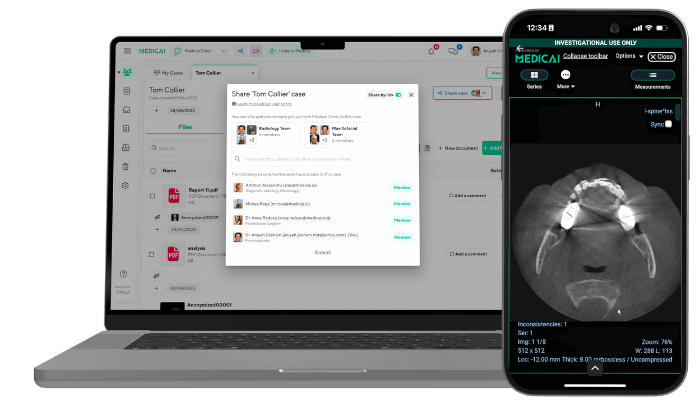
Medicai offers scalable cloud infrastructure for medical enterprises that enables secure and compliant imaging data management, for better collaboration between providers and improved patient outcomes.
Reach up to 60% cost reduction on long-time archiving with Medicai – book a short demo below:

Related Articles



Lets get in touch!
Learn more about how Medicai can help you strengthen your practice and improve your patients’ experience. Ready to start your Journey?
Book A Free Demo