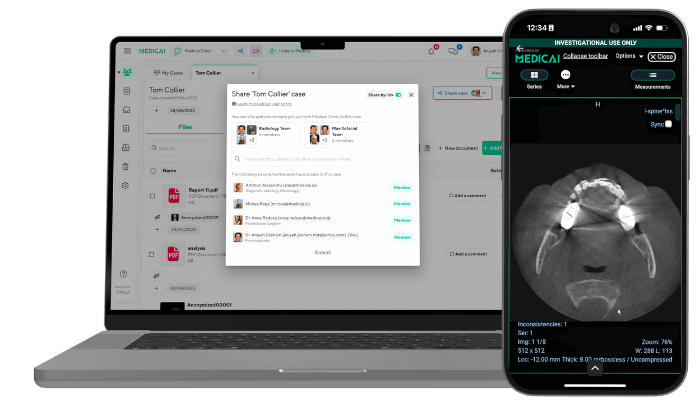
Safeguarding Venous Health Through Advanced Medical Imaging

Maintaining optimal vein health is critical to preventing a wide spectrum of circulatory issues, including chronic venous insufficiency, varicose veins, deep vein thrombosis (DVT), and leg ulcers.
Advanced medical imaging and specialized vein care practices, such as Texas Vein Experts, are at the forefront of utilizing advanced diagnostic imaging technologies to identify, evaluate, and treat venous disorders with precision and efficiency.
As the burden of venous disease continues to grow among aging populations and those with sedentary lifestyles, imaging has emerged not only as a diagnostic tool but also as a vital component of comprehensive vascular care.

Understanding Vein Health: Anatomy and Common Disorders
The human venous system, particularly in the lower extremities, operates under high physiological demands. Unlike arteries, veins must propel blood back to the heart against the force of gravity, relying on muscular contractions and one-way valves to maintain proper circulation.
When these valves fail or when blood pools due to obstruction, pressure builds up within the veins. This condition, known as venous insufficiency, can lead to symptoms such as leg pain, swelling, skin discoloration, and the development of varicose veins or ulcers.
Several risk factors are associated with the deterioration of venous function, including genetics, obesity, pregnancy, prolonged standing or sitting, and a history of thrombosis. Early identification and assessment of venous dysfunction are essential to preventing progression and complications. This is where modern imaging solutions play a pivotal role.
The Role of Advanced Medical Imaging in Venous Diagnostics
Accurate diagnosis of venous disease requires more than clinical observation. Advanced imaging, such as interventional radiology, allows physicians to visualize the structure and function of veins, detect abnormalities, and develop individualized treatment plans. Key imaging modalities used in the evaluation of venous disorders include:
Duplex Ultrasonography
Duplex ultrasound is the first-line imaging modality for venous assessment. It combines traditional B-mode imaging, which shows the anatomy of the veins, with Doppler ultrasound, which evaluates blood flow.
This non-invasive method can detect reflux (backward blood flow), venous obstruction, valve dysfunction, and thrombosis with a high degree of accuracy. It is particularly useful in evaluating the great saphenous and small saphenous veins, deep vein systems, and perforating veins.
Computed Tomography Venography (CTV)
CTV provides high-resolution, cross-sectional images of the venous system using intravenous contrast agents. It is especially helpful in visualizing pelvic and abdominal venous structures, where ultrasound may be limited.
CTV is frequently used to assess complex cases such as May-Thurner syndrome, where the iliac vein is compressed, leading to left-sided DVT.
Magnetic Resonance Venography (MRV)
MRV is an advanced imaging technique that utilizes magnetic fields and radio waves to produce detailed images of blood vessels, eliminating the need for radiation exposure. It can be performed with or without contrast agents and is suitable for patients with renal insufficiency or allergies to contrast agents.
MRV is particularly beneficial in evaluating central vein obstructions and chronic venous disease involving the pelvis and abdomen.
Intravascular Ultrasound (IVUS)
IVUS involves the use of a miniature ultrasound probe inserted into the vein, allowing for direct visualization of the vessel wall and lumen from within.
It is primarily used during endovascular procedures, such as stent placement, and offers unparalleled accuracy in measuring venous diameter and detecting stenosis or post-thrombotic scarring.

Emerging Technologies and Techniques
The field of venous imaging is rapidly evolving. Several novel techniques are enhancing the diagnostic landscape:
- Photoacoustic Imaging: This hybrid technique combines light and ultrasound to provide molecular and structural information about the venous system. It is currently under investigation for differentiating between acute and chronic thrombus.
- Elastography: This ultrasound-based method measures tissue stiffness and can help assess the severity of chronic venous disease, as well as monitor treatment responses, particularly in cases of venous ulcers.
- Artificial Intelligence (AI): Machine learning algorithms are being developed to automate vein mapping and thrombus detection, improving workflow efficiency and reducing human error in interpretation.
Integration with Minimally Invasive Therapies
Advancements in imaging have also transformed how vein treatments are performed. Minimally invasive procedures such as endovenous laser ablation, radiofrequency ablation, foam sclerotherapy, and ultrasound-guided microphlebectomy rely on precise imaging guidance to target diseased veins while preserving healthy vessels.
Real-time imaging not only enhances procedural accuracy but also reduces the risk of complications and shortens recovery time. For example, ultrasound guidance during sclerotherapy allows for the safe injection of sclerosant into incompetent veins that are not visible on the surface.
Furthermore, imaging plays a key role in post-treatment follow-up. Duplex ultrasound is used to confirm vein closure, assess for residual reflux, and detect complications such as deep vein thrombosis.
Comprehensive Care in Vein Clinics
Specialized vein clinics offer a multidisciplinary approach to venous health, combining vascular medicine, interventional radiology, and vascular surgery with access to cutting-edge imaging technologies.
These centers often develop individualized care plans based on imaging findings and clinical presentation, offering both conservative and procedural options.
A comprehensive vein evaluation includes:
- Clinical examination and history-taking
- Imaging assessment (Duplex, CTV, MRV, IVUS)
- Risk stratification for thrombosis or ulcer development
- Personalized treatment planning
- Ongoing surveillance to monitor outcomes and recurrence
Clinics like Texas Vein Experts are exemplary of this integrated model, offering advanced diagnostics and a comprehensive range of treatment options under one roof. Their commitment to utilizing the latest imaging technologies ensures patients receive accurate diagnoses and effective care on time.
Patient Education and Preventive Strategies
Educating patients about their venous health is a fundamental aspect of care. High-resolution imaging serves not only a diagnostic function but also as a communication tool. Visual representations of vein function can enhance patient understanding, improve treatment adherence, and promote long-term lifestyle changes.
Preventive strategies for maintaining venous health include:
- Regular physical activity to promote calf muscle pumping
- Elevation of legs to reduce venous pressure
- Wearing compression garments
- Avoiding prolonged standing or sitting
- Managing body weight and chronic conditions like hypertension and diabetes
Early detection through routine screening, especially in high-risk individuals, can prevent progression and significantly improve outcomes.

Conclusion
Advanced medical imaging has revolutionized the diagnosis and management of venous disease. From non-invasive duplex ultrasound to intravascular and MR-based modalities, imaging provides the detailed anatomic and physiologic data needed to tailor individualized treatment plans and monitor therapeutic success.
With the growing prevalence of chronic venous conditions, early diagnosis and precision-guided care are more important than ever. Clinics that specialize in comprehensive venous imaging and intervention—such as Texas Vein Experts—offer patients the best chance of effective relief, a reduced risk of complications, and an improved quality of life.
As technology continues to evolve, the integration of imaging into every stage of vein care will remain a foundational principle of modern vascular medicine.


Related Articles

Lets get in touch!
Learn more about how Medicai can help you strengthen your practice and improve your patients’ experience. Ready to start your Journey?
Book A Free Demo