3 ways you can transition you medical imaging clinic to a value based care practice

Medical imaging clinics play a vital role in the healthcare system, providing critical diagnostic and treatment information for patients. However, the traditional fee-for-service model of healthcare delivery has led to overuse and misuse of imaging services, resulting in increased costs and poor patient outcomes. To address these issues, medical imaging clinics can transition to a value-based care model, which focuses on providing high-quality, cost-effective care. Here are three ways that a medical imaging clinic can transition to a value-based care practice:
Enhancing Care Coordination and Communication:
Effective care coordination is critical to delivering value-based care. For medical imaging clinics, this involves establishing strong lines of communication and collaboration with referring physicians and other healthcare providers involved in a patient’s care. By fostering seamless information exchange and coordinated care, you can improve patient outcomes, reduce redundant imaging exams, and enhance the overall patient experience.
To enhance care coordination and communication, consider the following strategies:
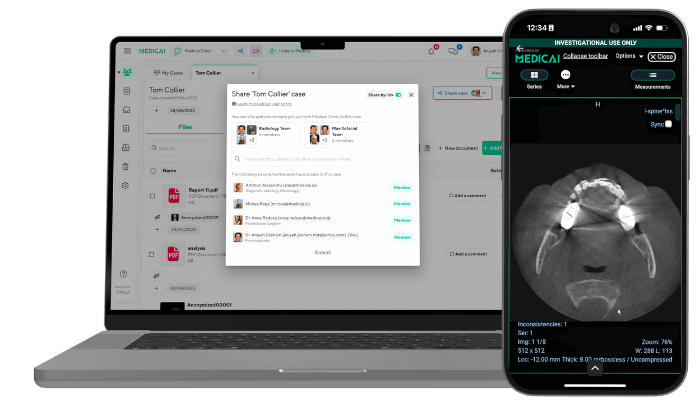
- Implement interoperable systems that enable secure exchange of patient information with referring physicians and other healthcare providers.
- Establish clear protocols and channels for communicating imaging findings, recommendations, and follow-up plans.
- Participate in multidisciplinary care teams, such as tumor boards, to contribute imaging expertise and collaborate on treatment planning.
Investing in technology:
Another key aspect of transitioning to a value-based care practice is investing in technology that can help to improve patient outcomes and reduce costs. For example, investing in advanced imaging technology, such as 3D mammography or MRI, can help to improve the accuracy of diagnoses and reduce the need for follow-up imaging. Additionally, implementing electronic health records and telemedicine can help to streamline processes and improve communication between healthcare providers. This can also help to reduce the need for additional imaging by allowing providers to share images electronically and make a diagnosis without the need for additional imaging.
Engaging patients in their care:
Engaging patients in their own care is an important aspect of a value-based care practice. By educating patients about the risks and benefits of different imaging modalities, medical imaging clinics can help patients make more informed decisions about their care. Additionally, by encouraging patients to take an active role in their own care, medical imaging clinics can help to reduce costs by preventing unnecessary imaging services. This can be done through patient education, shared decision making, and providing patients with easy access to their imaging results and reports.
Conclusion
In conclusion, transitioning to a value-based care practice can have many benefits for medical imaging clinics. By implementing guidelines and protocols, investing in technology, and engaging patients in their own care, clinics can improve patient outcomes while also reducing costs. These steps can help to ensure the sustainability and affordability of healthcare for patients and the overall population. It’s important to note that the transition to a value-based care model requires a cultural shift in the way care is delivered and it’s not something that can be done overnight. It’s a long-term journey that requires the buy-in and participation of all stakeholders including physicians, staff, patients and payers.
It’s also important for clinics to measure and track the outcomes of these efforts, so that they can identify areas for improvement and make necessary adjustments to their approach. By investing in technology and data analytics, clinics can gain a better understanding of their patients and their care, allowing them to make data-driven decisions to improve quality and reduce costs. Additionally, it’s important for clinics to collaborate with other healthcare providers and payers to develop a coordinated and integrated approach to care delivery. This can help to ensure that patients receive the right care at the right time, in the right place, resulting in improved outcomes and lower costs.

Related Articles


Lets get in touch!
Learn more about how Medicai can help you strengthen your practice and improve your patients’ experience. Ready to start your Journey?
Book A Free Demo