Data Security and Interoperability
The category focuses on the critical aspects of safeguarding medical data and ensuring seamless data exchange across healthcare systems. Articles in this category explore best practices for protecting patient information, complying with regulations like HIPAA and GDPR, and addressing cybersecurity threats in the medical field. Additionally, it covers the importance of interoperability in enabling efficient data sharing between healthcare providers, improving care coordination, and fostering innovation through the integration of advanced technologies and healthcare platforms.
45 posts
Read MoreDICOM Modality Worklist (MWL): How It Works, Why It Fails, and What Happens When It Does
DICOM Modality Worklist (MWL): How It Works, Why It Fails, and What Happens When It Does DICOM Modality Worklist is a DICOM service that allows an imaging device — a CT scanner, MRI machine, X-ray unit, or any DICOM-compliant modality — to query a server (typically the RIS) for the list of scheduled examinations it is...

Read MoreRadiology Information System (RIS): Modules, Chain Position, KPIs, and How It Connects HIS and PACS
Radiology Information System (RIS): Modules, Chain Position, KPIs, and How It Connects HIS and PACS RIS is the administrative and operational nervous system of a radiology department. It manages every event in the patient’s radiology journey, excluding the image itself — the referral, scheduling, patient check-in, exam tracking, report distribution, billing, and department statistics. While...

Read MoreHospital Information System (HIS): Why It Is the Centre of Every PACS Workflow
Hospital Information System (HIS): Why It Is the Centre of Every PACS Workflow Every radiology order that reaches your PACS starts in your Hospital Information System. Every patient identity mismatch that breaks your PACS workflow traces back to a data problem in your HIS. Understanding HIS is not optional knowledge for imaging informatics...

Read MorePACS Interoperability, Standards, Benefits, Challenges, and Emerging Trends
PACS Interoperability, Standards, Benefits, Challenges, and Emerging Trends A clinician opens a patient chart, clicks Imaging, and expects three things fast: the right study, the right priors, and a report that matches the images. PACS interoperability determines whether that click results in a phone call, a screenshot, or...

Read MoreAI Orchestration in PACS: Moving Beyond "Buzzwords" to Real Workflow

AI Orchestration in PACS: Moving Beyond "Buzzwords" to Real Workflow AI orchestration in PACS is the workflow control layer that triggers inference, applies routing rules, selects models, and delivers AI results back into PACS worklists and reporting in a way clinicians actually use. This guide explains AI orchestration in PACS,...

Read MoreHow VNA Technology Unifies Dexis, Schick, and Carestream
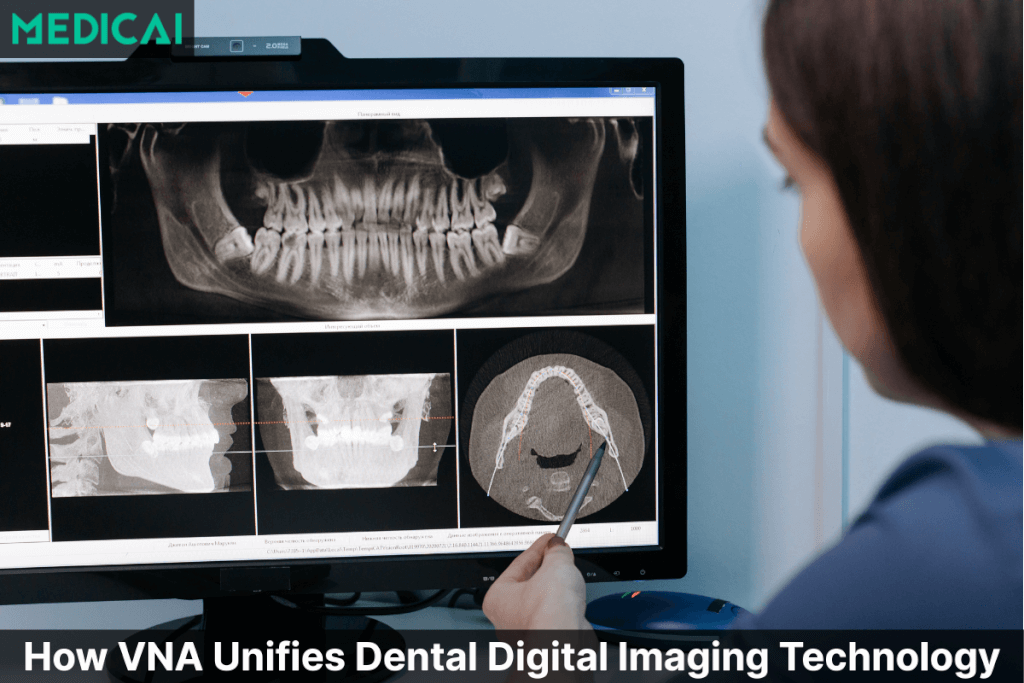
How VNA Technology Unifies Dexis, Schick, and Carestream For many dental practice owners and IT managers, buying a new digital sensor is not just a hardware purchase—it’s a software sentence. If you buy a dental digital imaging system like Schick sensor, you are often forced to use Schick’s imaging...

Read MoreWhy Cloud Dental PACS is Critical for Multi-Site Centralization: The DSO Tech Stack
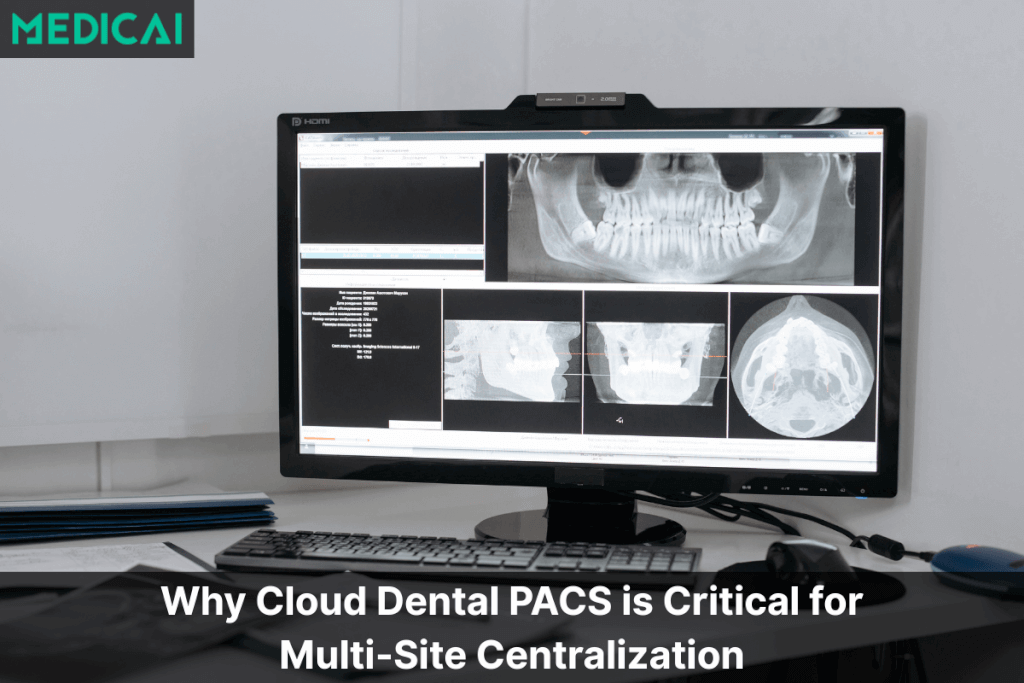
Why Cloud Dental PACS is Critical for Multi-Site Centralization: The DSO Tech Stack Dental Service Organizations (DSOs) often hit a technological wall in the race to scale. It happens somewhere between the 5th and the 50th location. You acquire a new practice, and along with the patient list, you inherit a server closet...

Read MoreRIS PACS Integration Guide: HL7, Modality Worklists, and Preventing Data Mismatches
RIS PACS Integration Guide: HL7, Modality Worklists, and Preventing Data Mismatches For a Radiology IT Director, there is no headache quite like “Interface Fatigue.” You have a Radiology Information System (RIS) handling the scheduling and billing. You have a PACS handling the images. And sitting between RIS PACS integration is a...

Read MoreRIS vs PACS: A Visual Guide to the Radiology Workflow (From Order to Report)
RIS vs PACS: A Visual Guide to the Radiology Workflow (From Order to Report) The acronyms RIS and PACS often sound like the same thing for a medical student or a new hospital administrator. They both store patient data and deal with radiology. So, why do we need two separate systems and be concerned...

Read MoreCloud-Based Medical Imaging Collaboration: Better Access, Faster Insights, Stronger Care
Cloud-Based Medical Imaging Collaboration: Better Access, Faster Insights, Stronger Care Today, collaboration is becoming just as important as interpretation. Online medical imaging collaboration helps clinicians to review, share, and discuss complete DICOM studies from anywhere. It connects radiologists, specialists, primary care providers, and patients in a unified, cloud-based workspace that...

Read MoreWhy Cloud-Based Medical Image Sharing Matters More Than Ever
Why Cloud-Based Medical Image Sharing Matters More Than Ever Waiting days for a CD just to get a doctor to view your scan is indeed frustrating. Cloud-based medical image sharing helps hospitals, clinics, and patients store and share imaging, such as CTs, MRIs, and X-rays, through secure online platforms...

Read MoreDICOM Format Explained: Understanding Your Medical Imaging Files
DICOM Format Explained: Understanding Your Medical Imaging Files Medical images can feel confusing, especially when the files look nothing like the scans on your phone. The DICOM format is a specialized medical imaging file format used by hospitals. The format is designed to store images with the clinical...