Data Security and Interoperability

The category focuses on the critical aspects of safeguarding medical data and ensuring seamless data exchange across healthcare systems. Articles in this category explore best practices for protecting patient information, complying with regulations like HIPAA and GDPR, and addressing cybersecurity threats in the medical field. Additionally, it covers the importance of interoperability in enabling efficient data sharing between healthcare providers, improving care coordination, and fostering innovation through the integration of advanced technologies and healthcare platforms.

48 posts
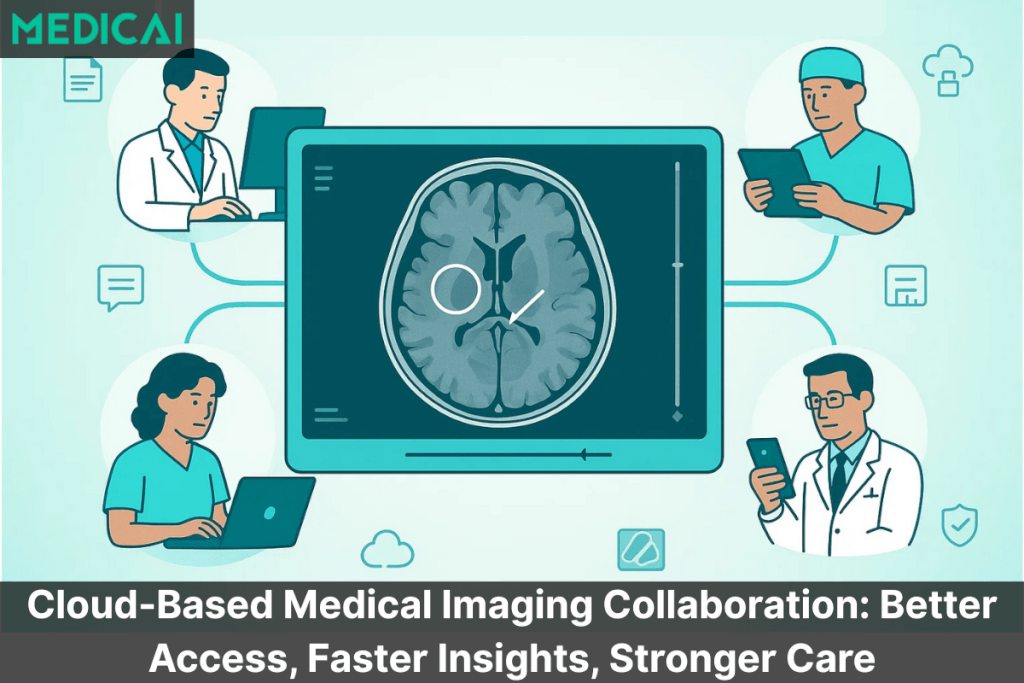
Read MoreCloud-Based Medical Imaging Collaboration: Better Access, Faster Insights, Stronger Caremedical imaging collaboration Cloud-Based Medical Imaging Collaboration: Better Access, Faster Insights, Stronger Care Today, collaboration is becoming just as important as interpretation. Online medical imaging collaboration helps clinicians to review, share, and discuss complete DICOM studies from anywhere. It connects radiologists, specialists, primary care providers, and patients in a unified, cloud-based workspace that... By Alexandru Artimon Dec 7, 2025
Read MoreWhy Cloud-Based Medical Image Sharing Matters More Than EverWhy Cloud-Based Medical Image Sharing Matters More Than Ever Why Cloud-Based Medical Image Sharing Matters More Than Ever Waiting days for a CD just to get a doctor to view your scan is indeed frustrating. Cloud-based medical image sharing helps hospitals, clinics, and patients store and share imaging, such as CTs, MRIs, and X-rays, through secure online platforms... By Mircea Popa Nov 30, 2025
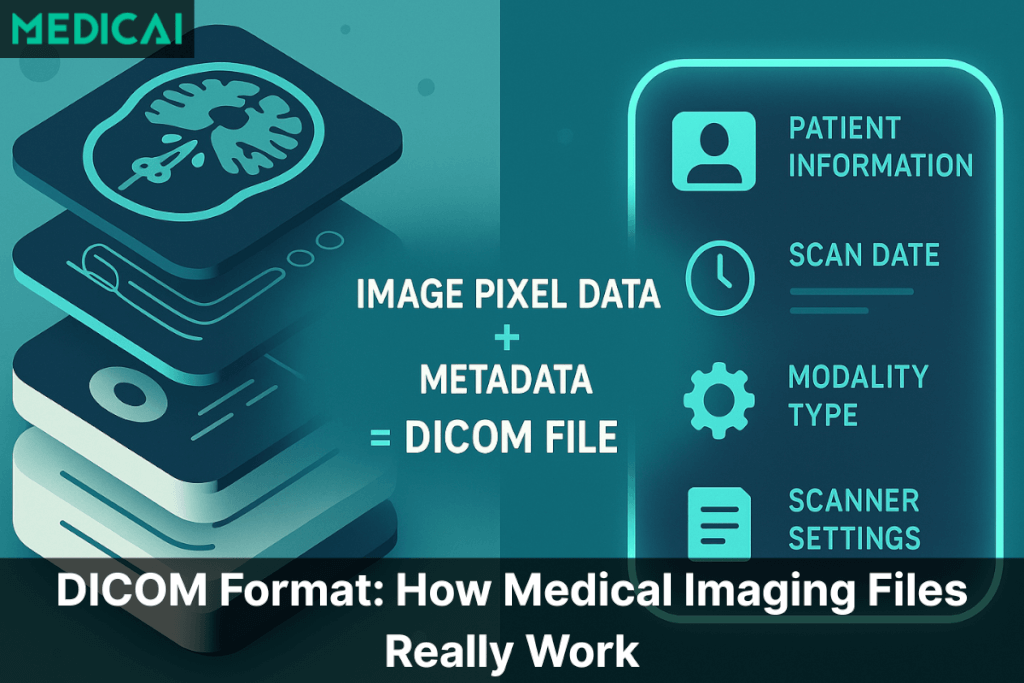
Read MoreDICOM Format Explained: Understanding Your Medical Imaging Filesdicom format DICOM Format Explained: Understanding Your Medical Imaging Files Medical images can feel confusing, especially when the files look nothing like the scans on your phone. The DICOM format is a specialized medical imaging file format used by hospitals. The format is designed to store images with the clinical... By Mircea Popa Nov 21, 2025
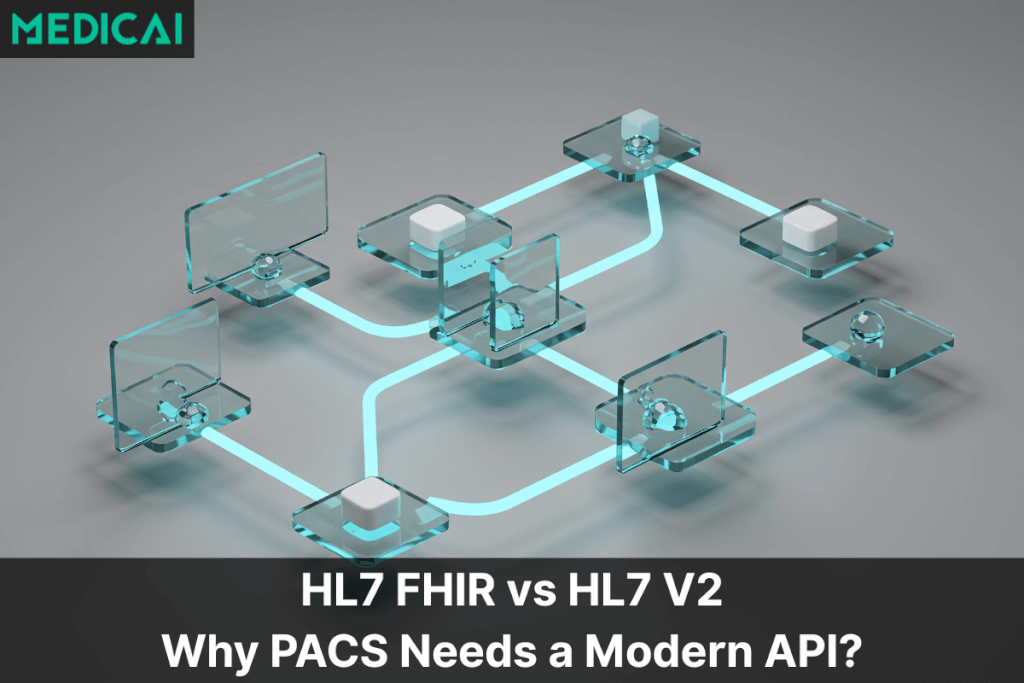
Read MoreHL7 FHIR vs. V2 in Imaging: Why Your PACS Needs a Modern APIHL7 FHIR vs. V2 in Imaging: Why Your PACS Needs a Modern API HL7 FHIR vs. V2 in Imaging: Why Your PACS Needs a Modern API For over 30 years, healthcare interoperability has spoken one language: HL7 V2. If you are a PACS Administrator, you know the drill: An order is placed in the EMR, a ORM message fires over a VPN tunnel, the RIS catches... By Andrei Blaj Nov 18, 2025
Read MoreDICOM Interoperability Failures (And How Hospitals Fix Them)dicom interoperability failures DICOM Interoperability Failures (And How Hospitals Fix Them) Why images still fail to open across systems — and how modern cloud PACS like Medicai solve the DICOM interoperability failures. Healthcare assumes medical imaging should be universally compatible, aka interoperability. A CT scan produced in one hospital should load... By Mircea Popa Nov 15, 2025

Read MoreOrthopedic PACS & Templating: Why Generic Viewers Fail the Surgeonorthopedic pacs and templating Orthopedic PACS & Templating: Why Generic Viewers Fail the Surgeon In general radiology, the goal of a PACS is Diagnosis: “Is the bone broken?” In orthopedics, the goal of orthopedic PACS is Reconstruction: “How do I fix it, and what size implant do I need?” This fundamental difference is why... By Alexandru Artimon Nov 11, 2025
Read MoreHybrid PACS Architecture: The Technical Guide for Radiology IThybrid pacs architecture Hybrid PACS Architecture: The Technical Guide for Radiology IT For the past decade, the debate in radiology IT has been binary: Cloud vs. On-Premise. The Cloud camp promises infinite scalability, disaster recovery, and zero hardware maintenance. The On-Premise camp argues for speed, control, and reliability that doesn’t depend on... By Andrei Blaj Nov 5, 2025
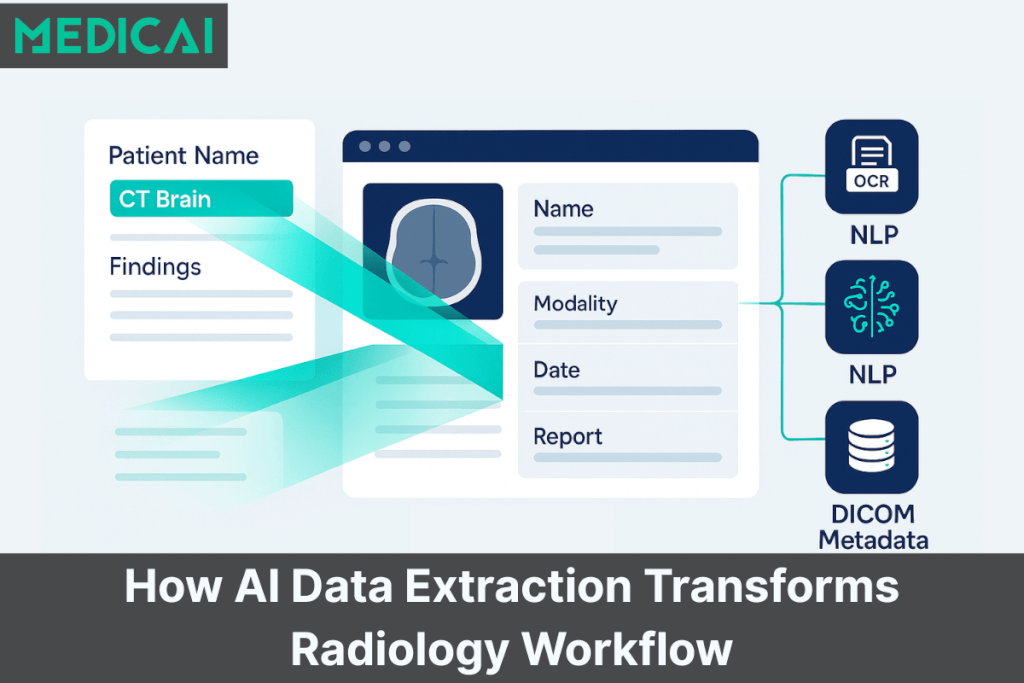
Read MoreAI Data Extraction: Unlocking Hidden Value in Radiology DocumentsAI Data Extraction: Unlocking Hidden Value in Radiology Documents AI Data Extraction: Unlocking Hidden Value in Radiology Documents Radiology workflows are full of valuable information — yet much of it remains trapped inside scanned documents, PDFs, and unstructured reports. Radiologists, technicians, and administrators spend countless hours manually entering patient data, linking imaging results, and ensuring metadata consistency. Artificial... By Andrei Blaj Oct 27, 2025
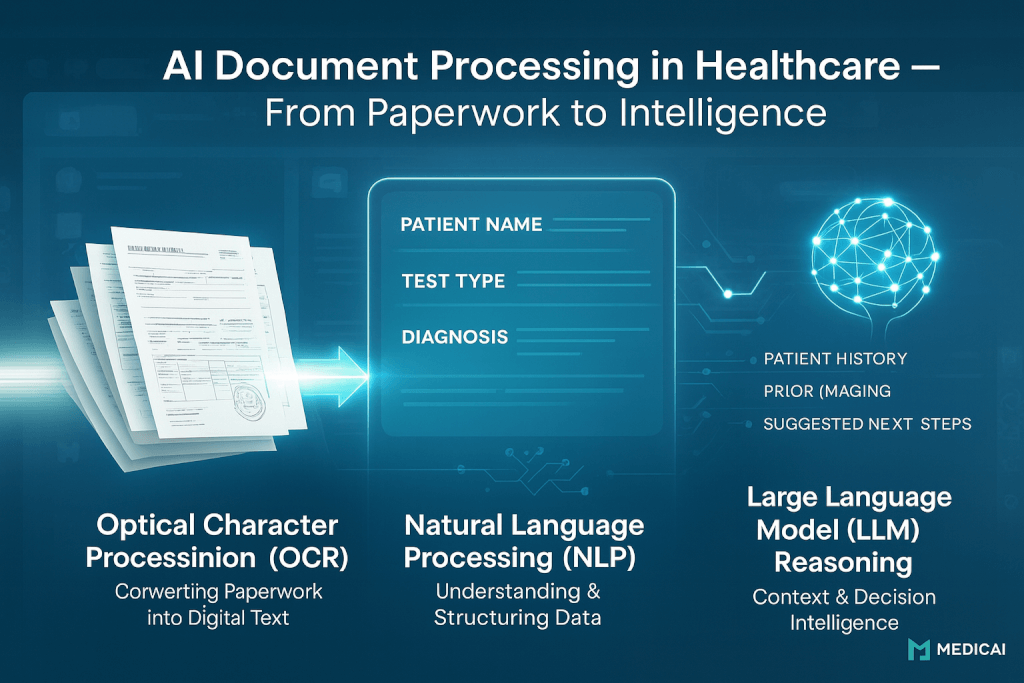
Read MoreHow AI Document Processing Is Transforming Healthcare Administrationai document processing How AI Document Processing Is Transforming Healthcare Administration Healthcare has always been a data-rich industry — but much of that data still lives in silos, trapped in faxes, scanned PDFs, and unstructured reports. Every day, hospitals and clinics juggle thousands of forms: patient consents, referrals, imaging requests, insurance... By Andrei Blaj Oct 20, 2025
Read MoreDCM Files Explained: The Digital “Folder” Behind Every Medical Scanwhat is a dcm file DCM Files Explained: The Digital “Folder” Behind Every Medical Scan A DCM file is a DICOM medical imaging file that stores pixel data from a scan and patient and study metadata in a single standardized object. The DCM file format enables hospitals and clinics to transfer CT, MRI, X-ray, and... By Andrei Blaj Oct 11, 2025
Read MoreSpecialty PACS Market: Trends, Growth, and Key Insightspacs integration Specialty PACS Market: Trends, Growth, and Key Insights Medical imaging is the heartbeat of modern healthcare, yet managing massive volumes of data across different specialties is a growing challenge. In such cases, the specialty PACS market can be the solution you need. Unlike general PACS, specialty PACS are... By Andrei Blaj Oct 1, 2025

Read MorePACS for Urgent Care: Setup, Integrations, Best Practicesurgent care pacs PACS for Urgent Care: Setup, Integrations, Best Practices In urgent care, every minute matters. Patients want answers now, not after a CD burns or a courier arrives. That’s where PACS comes in. A modern Picture Archiving and Communication System puts every X-ray, CT, and ultrasound in one secure... By Andrei Blaj Aug 14, 2025