DICOM Viewer
44 posts
Read MoreWhat is DICOMweb? QIDO-RS, WADO-RS, and STOW-RS explained
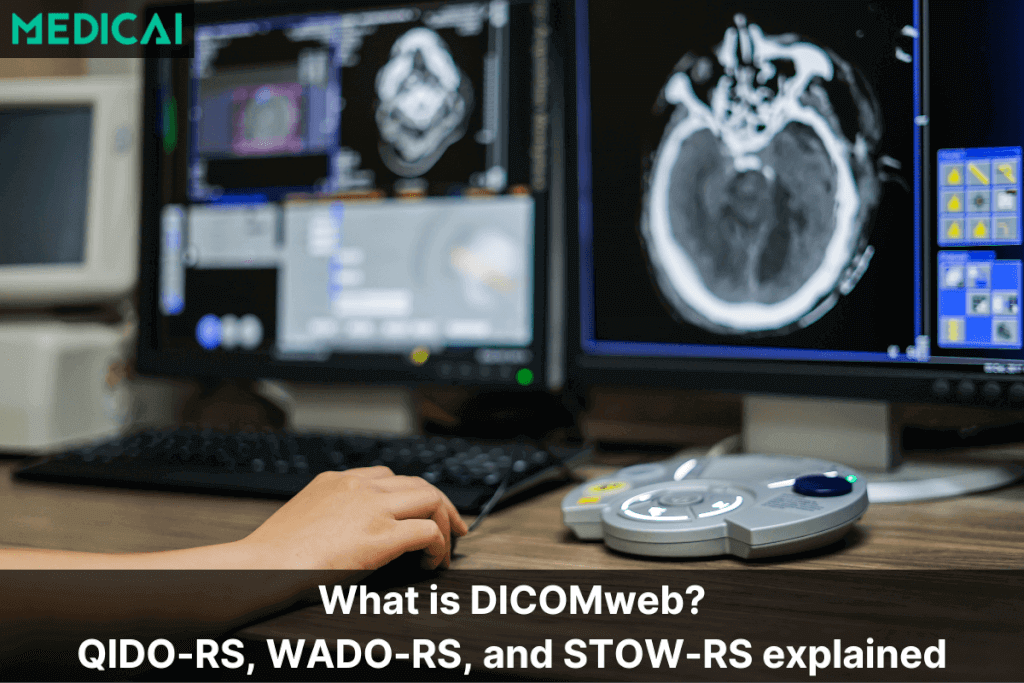
What is DICOMweb? QIDO-RS, WADO-RS, and STOW-RS explained DICOMweb is DICOM’s web-native transport layer — a family of RESTful services defined in DICOM Part 18 that makes medical imaging data accessible over standard HTTP. DICOMweb does not replace the DICOM image format or the metadata model. It replaces...

Read MoreWhat is HL7? The messaging standard that connects radiology to the rest of the hospital
What is HL7? The messaging standard that connects radiology to the rest of the hospital HL7 (Health Level Seven) is the ANSI-accredited messaging standard that defines how clinical systems exchange patient data, orders, and results. In radiology, HL7 V2 messages are the connective layer between the EHR, RIS, PACS, and modality — every imaging order,...

Read MoreVendor Neutral Archive (VNA): Full Guide
Vendor Neutral Archive (VNA): Full Guide A Vendor Neutral Archive (VNA) is a medical imaging technology that stores clinical images and documents in a standard format (typically DICOM) and exposes them through standard interfaces, so any authorized system can access them regardless of which vendor or...

Read MoreDICOM Modality Worklist (MWL): How It Works, Why It Fails, and What Happens When It Does
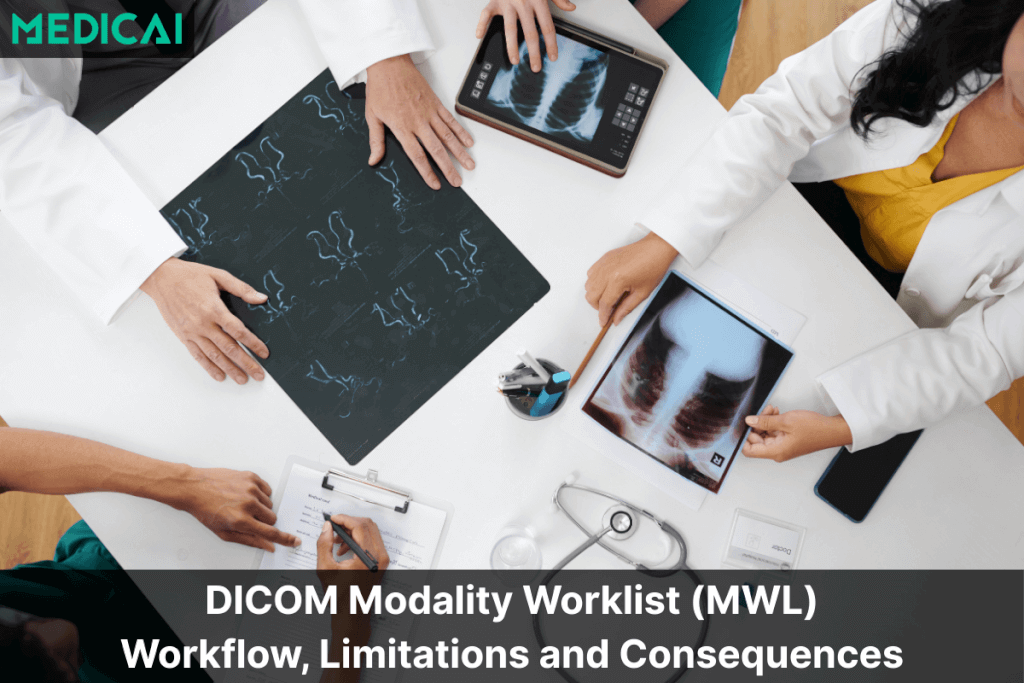
DICOM Modality Worklist (MWL): How It Works, Why It Fails, and What Happens When It Does DICOM Modality Worklist is a DICOM service that allows an imaging device — a CT scanner, MRI machine, X-ray unit, or any DICOM-compliant modality — to query a server (typically the RIS) for the list of scheduled examinations it is...

Read MorePACS Workflow: RIS PACS Workflow Diagram, PACS Workflow Manager, Failures, KPIs, and Trends
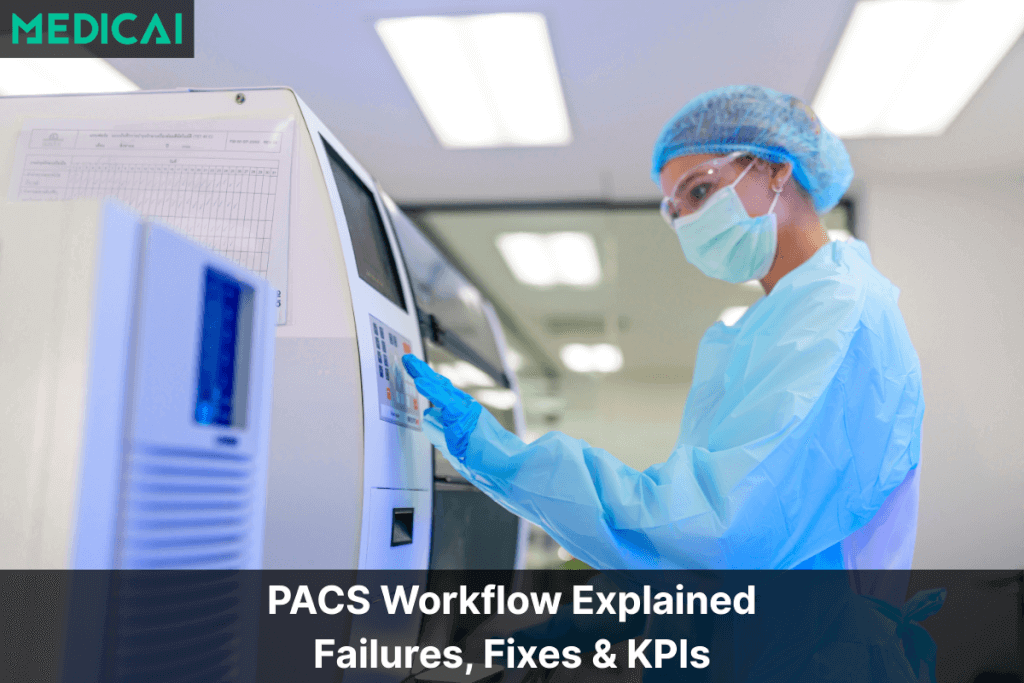
PACS Workflow: RIS PACS Workflow Diagram, PACS Workflow Manager, Failures, KPIs, and Trends PACS workflow is the digital backbone that moves imaging context from RIS and EHR systems into modality worklists, routes DICOM studies to the appropriate archive, and finally exposes them through the appropriate clinical access point. PACS workflow keeps patient identities,...

Read MoreCloud-Native vs. Cloud-Enabled PACS: Why the Difference Matters for 2026
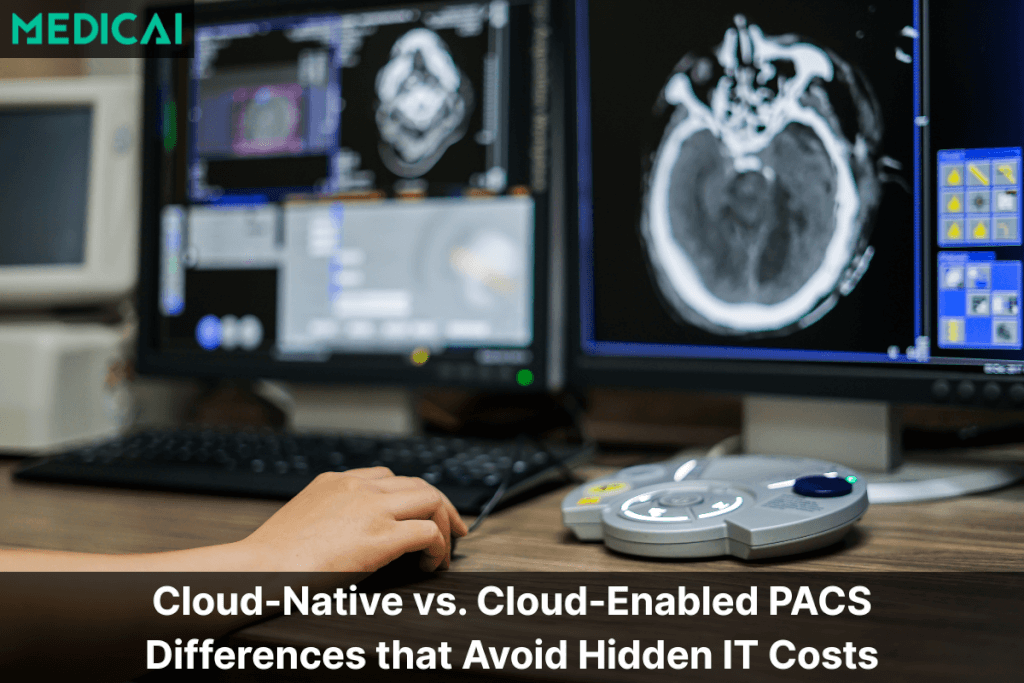
Cloud-Native vs. Cloud-Enabled PACS: Why the Difference Matters for 2026 In the 2026 healthcare market, you will struggle to find a PACS vendor that doesn’t use the word “Cloud” in their pitch deck. For a CIO or Radiology IT Director, this ubiquity creates a dangerous illusion. It suggests that all...

Read MorePMS Imaging vs. Dedicated PACS: Why Your Practice Management Software Isn't Enough
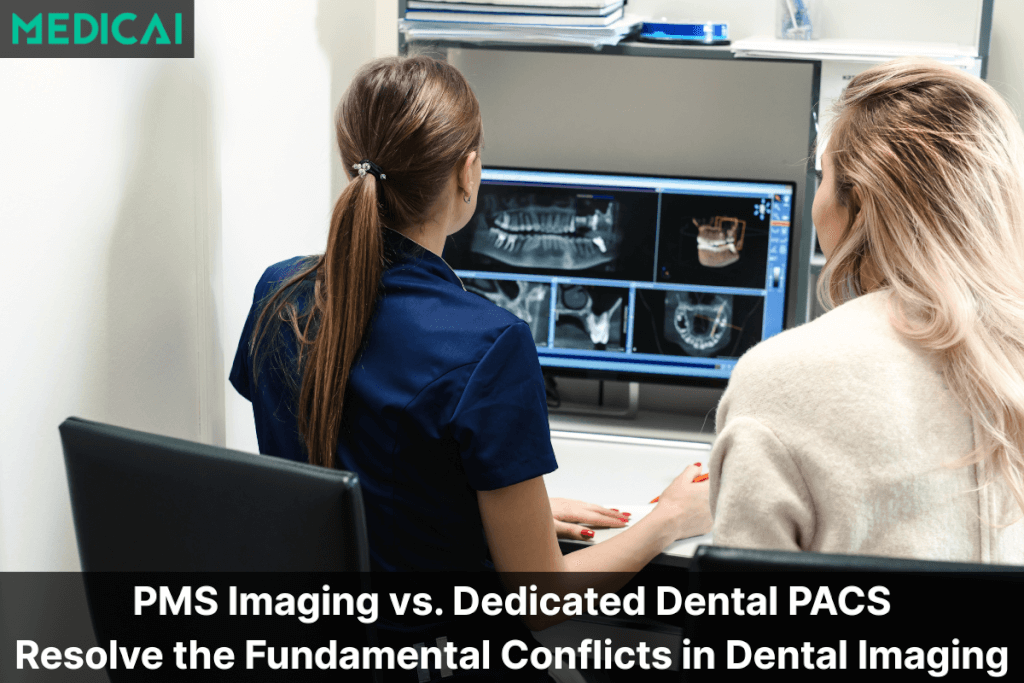
PMS Imaging vs. Dedicated PACS: Why Your Practice Management Software Isn't Enough In the dental industry, there is a concept called the “All-in-One Illusion.” When you buy a Practice Management System (PMS) like Dentrix, Eaglesoft, or Open Dental, it usually comes with a built-in imaging module. It’s convenient. It’s included in the...

Read MoreCloud-Based Medical Imaging Collaboration: Better Access, Faster Insights, Stronger Care
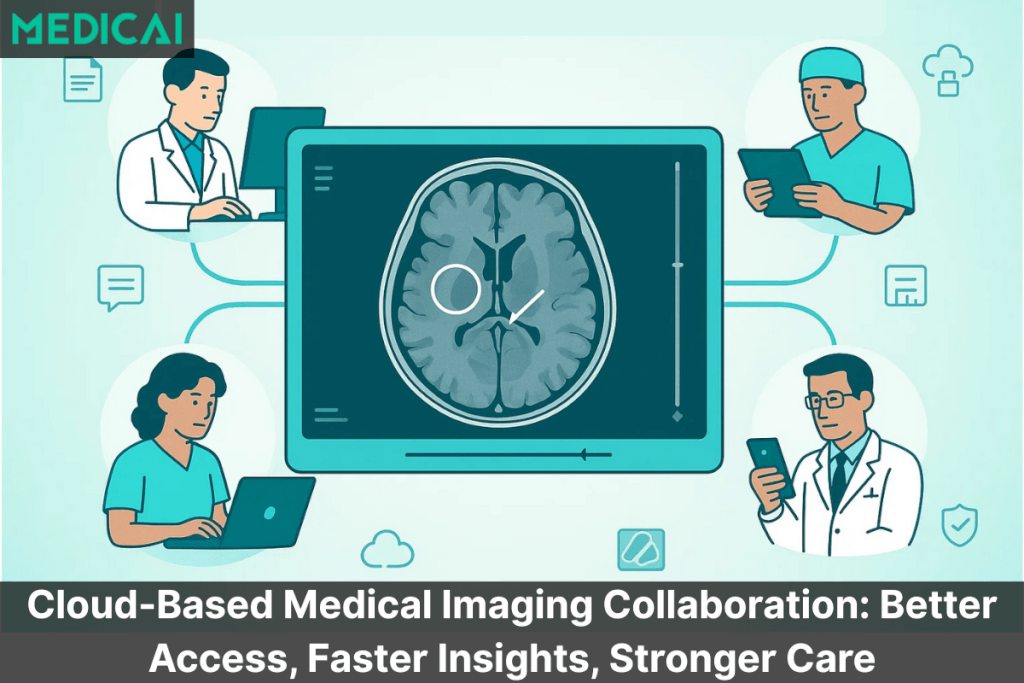
Cloud-Based Medical Imaging Collaboration: Better Access, Faster Insights, Stronger Care Today, collaboration is becoming just as important as interpretation. Online medical imaging collaboration helps clinicians to review, share, and discuss complete DICOM studies from anywhere. It connects radiologists, specialists, primary care providers, and patients in a unified, cloud-based workspace that...

Read MoreWhy Cloud-Based Medical Image Sharing Matters More Than Ever
Why Cloud-Based Medical Image Sharing Matters More Than Ever Waiting days for a CD just to get a doctor to view your scan is indeed frustrating. Cloud-based medical image sharing helps hospitals, clinics, and patients store and share imaging, such as CTs, MRIs, and X-rays, through secure online platforms...

Read MoreWhy DICOM Matters in Modern Radiology?
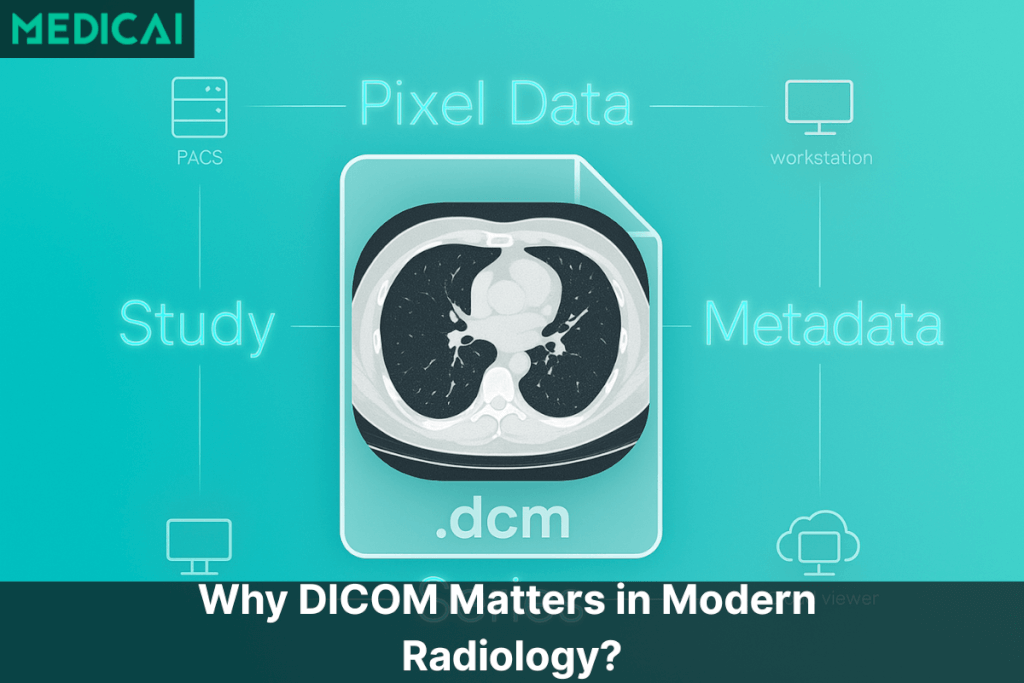
Why DICOM Matters in Modern Radiology? At the heart of radiology sits DICOM. DICOM is the universal standard for storing and transferring medical images. It combines the scan and its metadata into one reliable format. In radiology, DICOM keeps images consistent across different machines and viewers,...

Read MoreDICOM Format Explained: Understanding Your Medical Imaging Files
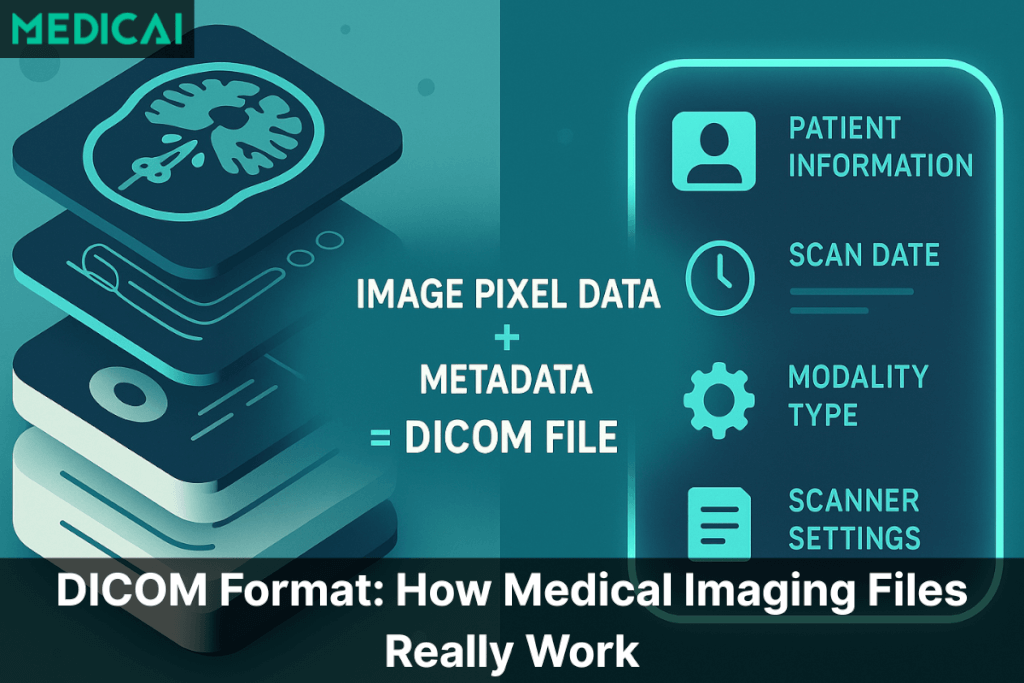
DICOM Format Explained: Understanding Your Medical Imaging Files Medical images can feel confusing, especially when the files look nothing like the scans on your phone. The DICOM format is a specialized medical imaging file format used by hospitals. The format is designed to store images with the clinical...

Read MoreRadiology Second Opinions for Scans: What Patients Should Know

Radiology Second Opinions for Scans: What Patients Should Know Ever walked out of a scan feeling unsure about what the report really meant? Medical imaging can be confusing, and the results often leave patients with more questions than answers. A radiology second opinion provides a fresh, independent review of...
