Healthcare Trends and Innovations
This category delves into the cutting-edge advancements and transformative shifts shaping the future of healthcare. This section spotlights emerging technologies, innovative treatment methods, and the evolving landscape of patient care. Articles cover topics such as artificial intelligence, telemedicine, personalized medicine, and the integration of digital health tools, offering insights into how these developments are revolutionizing the healthcare industry and improving patient outcomes.
138 posts
Read MorePhoton Counting CT vs. Energy-Integrating CT: A New Era in Liver Lesion Detection?
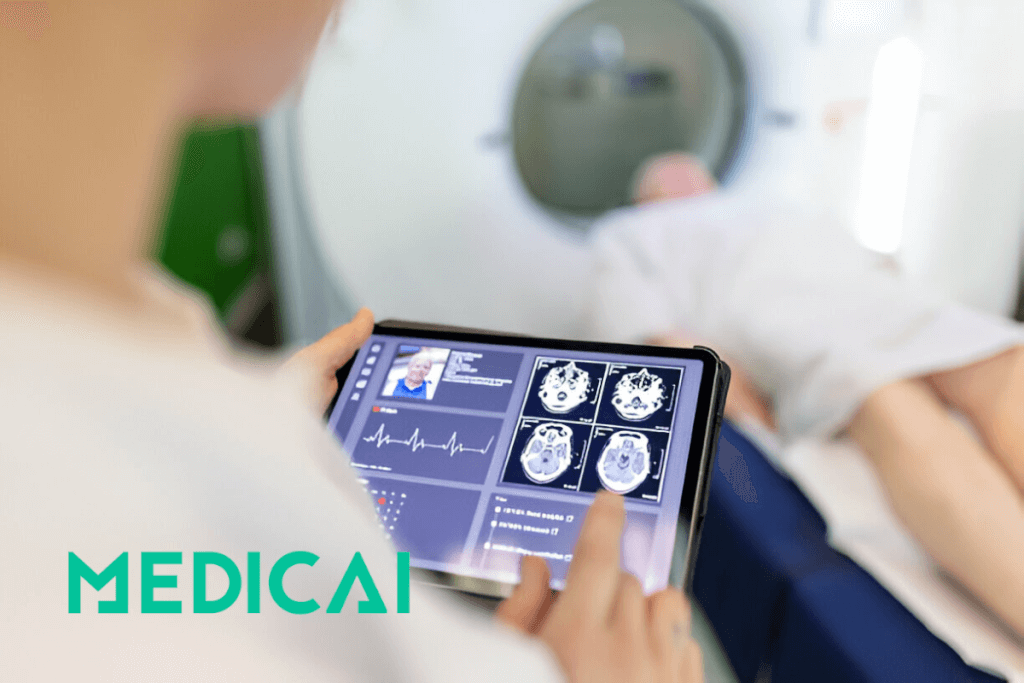
Photon Counting CT vs. Energy-Integrating CT: A New Era in Liver Lesion Detection? Computed tomography (CT) scans are a cornerstone of medical imaging, helping doctors diagnose various conditions. But what if there was a way to make these scans even more accurate and detailed? Enter photon-counting CT (PCCT). This newer technology promises to...

Read MoreWhat’s Next for Teleradiology? Trends and Challenges

What’s Next for Teleradiology? Trends and Challenges What will you do when needing a life-saving diagnosis but the specialist is hundreds of miles away? This scenario is pretty common, especially after hours or in rural areas. However, thanks to teleradiology, time and geographical barriers are no longer...

Read MoreThe Future of DICOM Viewers: How Advanced Technologies Are Transforming Healthcare

The Future of DICOM Viewers: How Advanced Technologies Are Transforming Healthcare Imagine a future where diagnosing a life-threatening disease happens in minutes, not hours. Or picture a surgeon viewing a patient’s anatomy in 3D before making a single incision. The future of medical imaging is here, and it begins with the...

Read MoreThe Release of Information Process: Key to Secure and Efficient Medical Data Sharing
The Release of Information Process: Key to Secure and Efficient Medical Data Sharing When patients and healthcare providers can easily access and share health information, it helps in providing quick and effective care. The Release of Information (ROI) process helps ensure patient data is shared quickly and safely. The Release of Information (ROI)...

Read MoreDICOM Communication Protocol: How Is It Transforming Modern Medical Imaging Workflows
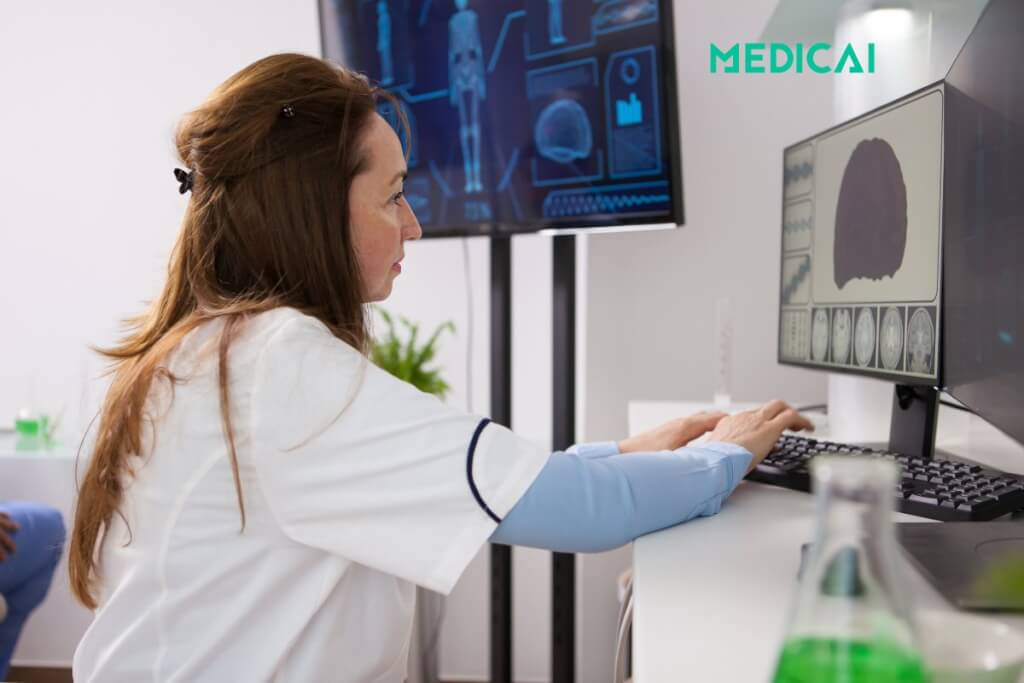
DICOM Communication Protocol: How Is It Transforming Modern Medical Imaging Workflows Picture this: a doctor in one hospital cannot view a life-saving MRI scan done in another hospital simply because the systems aren’t compatible. What can be scarier than this? However, it was a common picture when medical imaging lacked standardization....

Read MoreHL7 vs DICOM: Decoding the Backbone of Healthcare IT
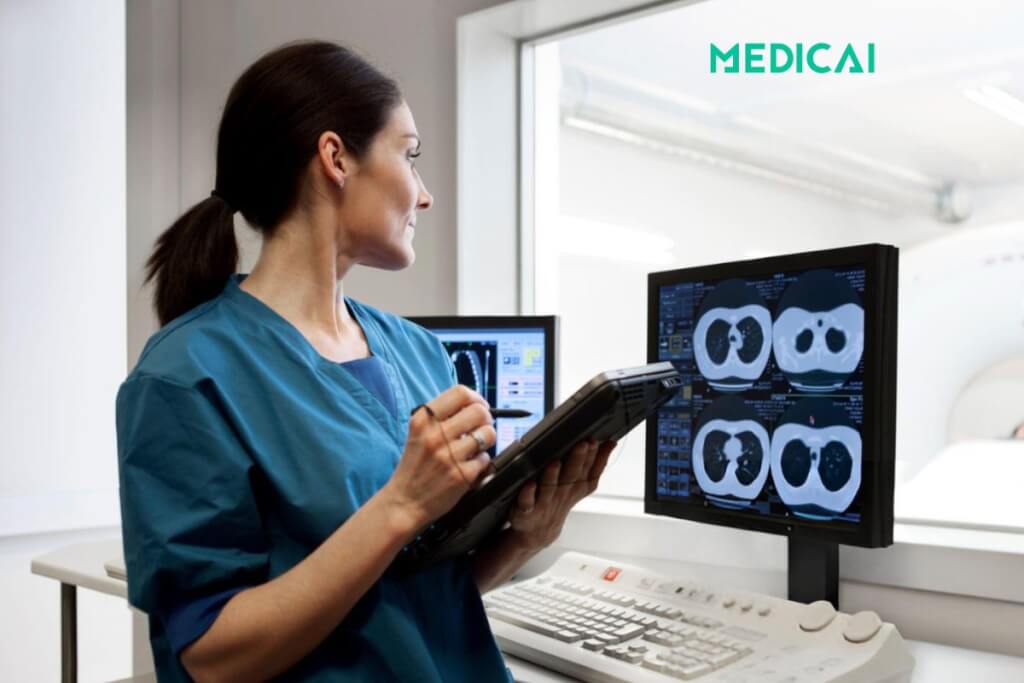
HL7 vs DICOM: Decoding the Backbone of Healthcare IT HL7 vs DICOM is a standards comparison: HL7 handles clinical and administrative messages such as admissions, orders, and results, while DICOM handles medical imaging objects and imaging metadata. Every second counts when a clinician is waiting on the right patient...

Read MoreBioinformatics Insights in TRβ-Selective Ligand Research: The GC-1 Case Study
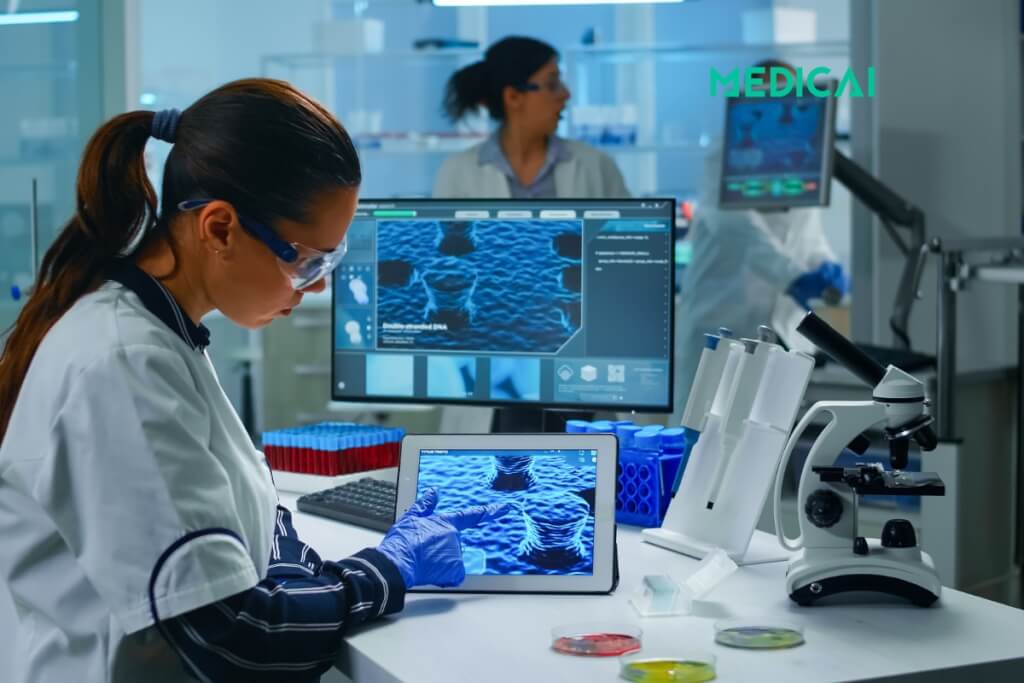
Bioinformatics Insights in TRβ-Selective Ligand Research: The GC-1 Case Study The Growing Promise of TRβ-Selective Agonists The thyroid receptor beta agonist field is advancing rapidly due to its therapeutic potential in lipid metabolism, neuroendocrine regulation, and mitochondrial activity. TRβ is a nuclear receptor that modulates gene transcription in metabolic tissues,...

Read MoreThe Heart of Healthcare: How Nurses Change Lives Every Day
The Heart of Healthcare: How Nurses Change Lives Every Day People who want to step into this field look for guidance that supports their goals from day one. Many learners in Colorado search for strong training paths that help them grow their skills and confidence. In this article, we will...

Read MoreHow the Future of Radiology Looks Like with Medicai’s “AI Co -Pilot”
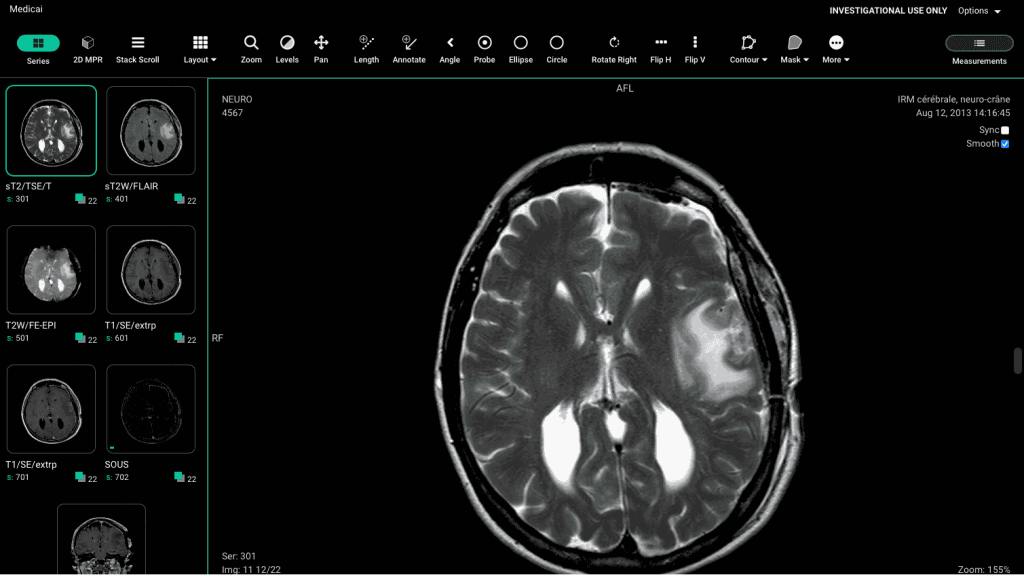
How the Future of Radiology Looks Like with Medicai’s “AI Co -Pilot” Learn how Medicai's AI Co-Pilot revolutionizes radiology with efficient report generation, reducing administrative tasks for radiologists, and enhancing patient care.

Read MoreCascading Failure vs Coordinated Care Success - an (imaginary, but possible) case study

Cascading Failure vs Coordinated Care Success - an (imaginary, but possible) case study These case studies illustrate the pivotal role of coordinated care and interoperability in healthcare outcomes. While failures in communication and fragmented approaches can lead to prolonged suffering and unnecessary procedures, integrated systems that facilitate seamless information sharing among healthcare providers can result in accurate diagnoses, effective treatments, and improved patient satisfaction.

Read More5 Technologies An Orthopedic Ambulatory Surgery Center Must Consider

5 Technologies An Orthopedic Ambulatory Surgery Center Must Consider Ambulatory Surgery Centers (ASCs) are modern healthcare facilities that provide same-day surgical care, including diagnostic and preventive procedures. These centers are designed to offer a convenient alternative to traditional hospital-based outpatient surgeries, emphasizing efficiency, cost-effectiveness, and a high level of patient care. ASCs typically specialize in specific types of surgery, such as orthopedics, which encompasses procedures related to the musculoskeletal system, including bones, joints, ligaments, tendons, and muscles.

Read MoreBuilding a Specialist-Centric Minimum Viable Tech Stack

Building a Specialist-Centric Minimum Viable Tech Stack Specialists such as orthopedists, oncologists, and neurologists require tailored technology solutions that streamline clinical workflows, enhance diagnostic precision, and improve patient outcomes. A Minimum Viable Tech Stack (MVS) designed for these specialists integrates essential digital tools to support specialized care delivery effectively. Let's delve into the key components of an optimized MVS for specialists in healthcare:
