Medical Imaging Technology

The Medical Imaging Technology category highlights the latest advancements and innovations in medical imaging. This section covers topics such as the development of new imaging techniques, improvements in diagnostic accuracy, and the integration of technologies like artificial intelligence and cloud-based solutions. Articles explore how these innovations are transforming the way healthcare professionals capture, analyze, and utilize imaging data to improve patient care and streamline medical workflows.

145 posts
Read MoreDICOM Web Viewer: How Zero-Footprint Browser-Based Viewing WorksDICOM Web Viewer: How Zero-Footprint Browser-Based Viewing Works DICOM Web Viewer: How Zero-Footprint Browser-Based Viewing Works A DICOM web viewer is a browser-based tool that opens, displays, and shares medical imaging studies (CT, MRI, X-ray, ultrasound, and other DICOM files) directly in a web browser, with no software installation required. Because it runs entirely in the... By Andrei Blaj Sep 16, 2025
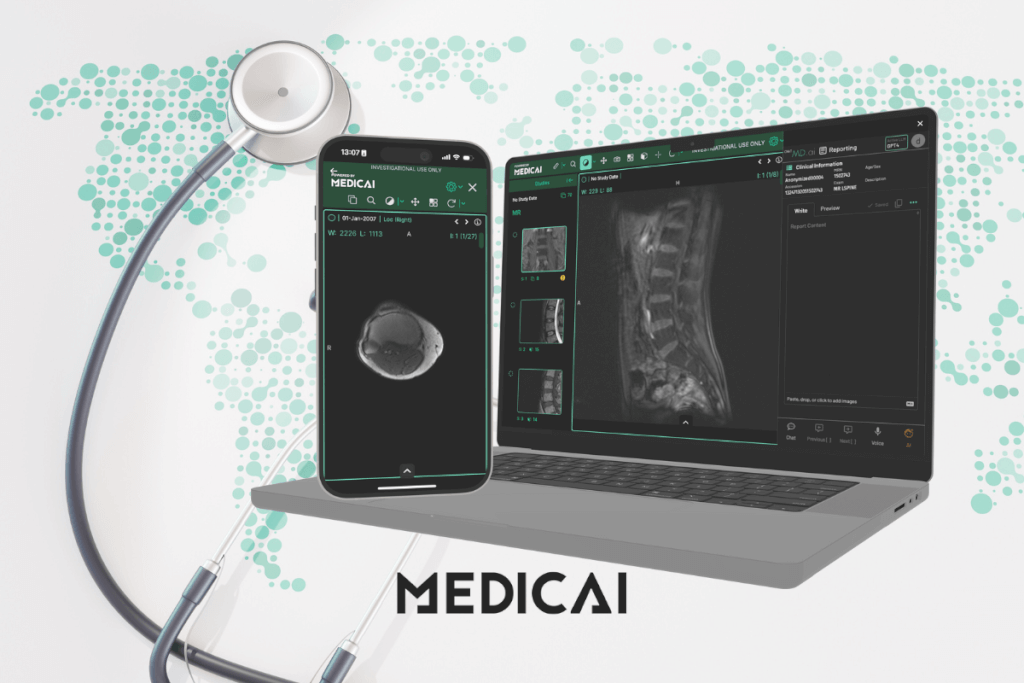
Read MoreHow Large Language Models Transform Radiology Todayllm radiology How Large Language Models Transform Radiology Today Radiology has always been shaped by technology, from X-ray film to cloud PACS. And now, a new force is reshaping the field: large language models (LLMs). In simple terms, LLMs are advanced AI systems that understand and generate text. In... By Andrei Blaj Sep 11, 2025
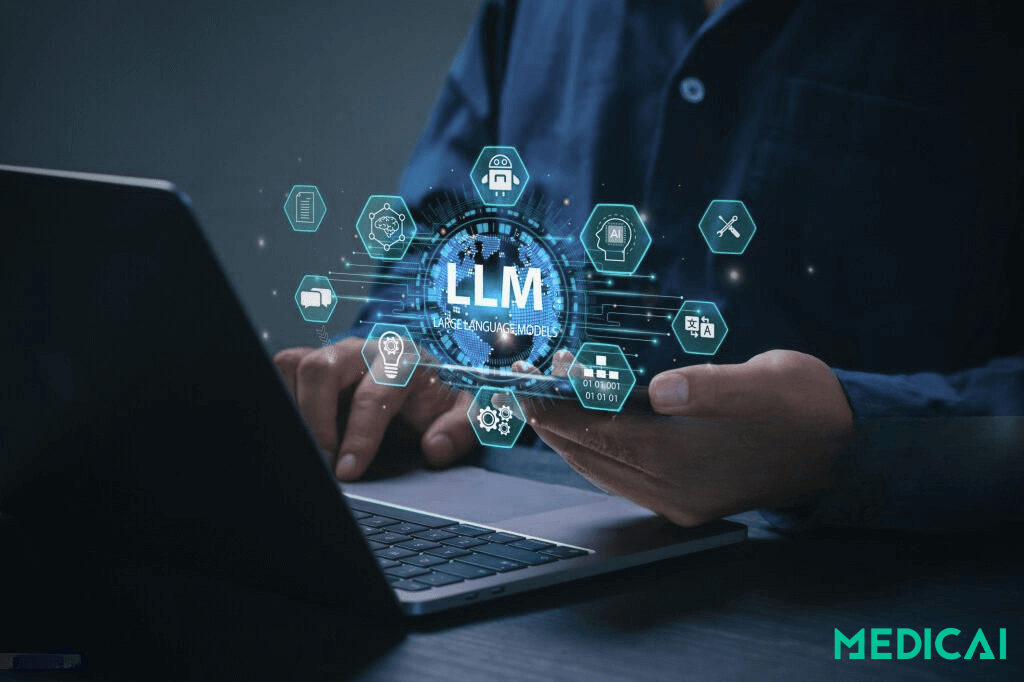
Read More5 Best DICOM Viewers for Android and iOS: Free and Paid Appsmedicai mobile dicom viewer 5 Best DICOM Viewers for Android and iOS: Free and Paid Apps Ever wished you could carry medical imaging right in your pocket? A mobile DICOM viewer enables this. Mobile DICOM viewer apps and cloud platforms let you securely view CT, MRI, ultrasound, and other medical images on your smartphone or tablet... By Andrei Blaj Sep 7, 2025
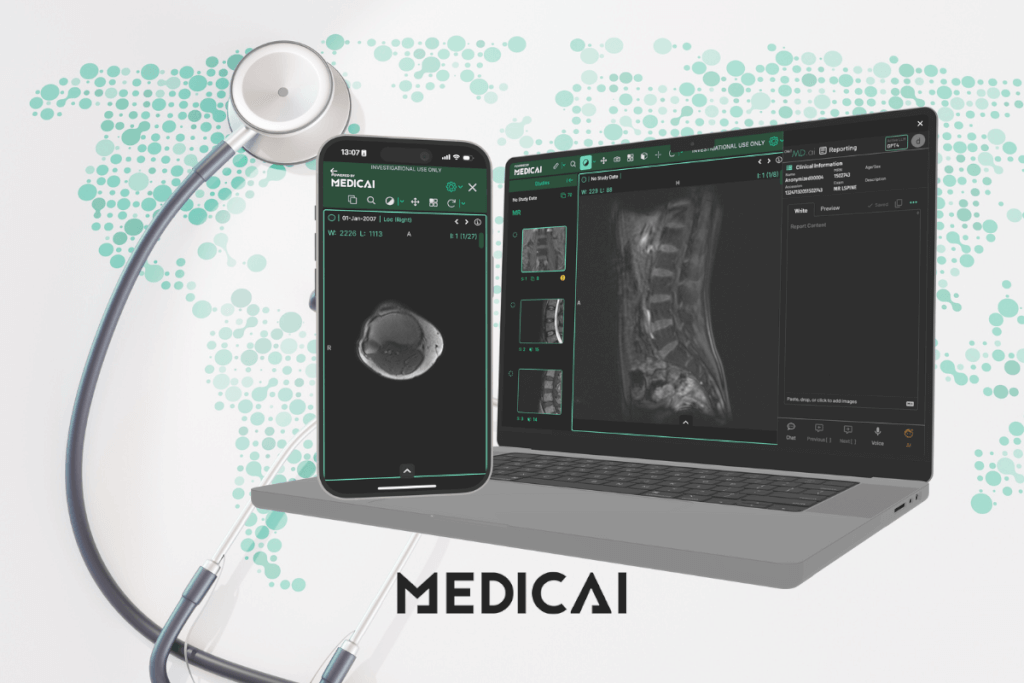
Read MoreAI Radiology Workflow: How AI Fits Into Every Stage of Reading, Reporting, and Worklist Managementai in radiology AI Radiology Workflow: How AI Fits Into Every Stage of Reading, Reporting, and Worklist Management The AI radiology workflow is the integration of machine learning models into the radiologist’s reading workflow — at the worklist, during image review, during measurement and segmentation, during report generation, and in the operational scaffolding around the reading task. AI... By Andrei Blaj Aug 30, 2025
Read MoreHow Pediatric Teleradiology Transforms Children’s Healthcarepediatric teleradiology How Pediatric Teleradiology Transforms Children’s Healthcare Every child deserves the right diagnosis at the right time. However, pediatric radiologists are scarce, leading to long waits or journeys for families seeking expert care. Pediatric teleradiology changes that story. Pediatric teleradiology connects hospitals and clinics with remote pediatric... By Andrei Blaj Aug 28, 2025

Read MoreTeleradiology PACS for Urgent Care Clinics — Cloud Imaging, Remote Reads, and 24/7 Coverageteleradiology pacs system for urgent care Teleradiology PACS for Urgent Care Clinics — Cloud Imaging, Remote Reads, and 24/7 Coverage When patients walk into urgent care, they need answers fast. Yet imaging often becomes a bottleneck, especially when radiologists aren’t on site. That’s where technology changes the game. A teleradiology PACS system for urgent care enables clinics to capture, store,... By Andrei Blaj Aug 27, 2025

Read MoreFrom Manual to AI: The Future of Cardiac MRI Segmentationcardiac mri segmentation From Manual to AI: The Future of Cardiac MRI Segmentation What if a heart scan could reveal life-saving details in the time it takes to sip your coffee? That’s the promise of modern cardiac MRI segmentation. Cardiac MRI segmentation is the process of dividing scans into the left ventricle, right... By Andrei Blaj Aug 25, 2025

Read MoreVoice‑Enabled Radiology: From Dictation to Contextual Commandvoice enabled radiology Voice‑Enabled Radiology: From Dictation to Contextual Command What if your radiology workstation could not only listen, but also understand? This is the promise of voice-enabled radiology. Voice-enabled radiology is the evolution from traditional dictation to AI-powered contextual commands. Instead of only transcribing words, modern systems understand intent.... By Andrei Blaj Aug 22, 2025

Read MoreWhy Structured Annotations Are the Future of Oncologic Reporting?Structured Annotations Oncologic Reporting Why Structured Annotations Are the Future of Oncologic Reporting? Cancer imaging is evolving fast, and so are the expectations. Clinicians need instant clarity, patients deserve precision, and radiologists face growing pressure to deliver both. Structured annotations in oncologic reporting embed standardized data onto PACS images, creating faster, clearer reports... By Andrei Blaj Aug 16, 2025

Read MoreHow to Implement PACS in Urgent Care — Configuration, EHR Integration, and Best Practicesurgent care pacs How to Implement PACS in Urgent Care — Configuration, EHR Integration, and Best Practices This guide covers the technical implementation of PACS in an urgent care environment — DICOM modality configuration, EHR and RIS integration via HL7 and FHIR, data migration from legacy systems, go-live planning, and KPI monitoring — for radiology IT professionals... By Andrei Blaj Aug 14, 2025
Read MorePACS Integration for Modern Veterinary PracticesVet PACS Integration PACS Integration for Modern Veterinary Practices Tired of chasing down images, repeating data entry, or flipping between systems just to finalize a patient report? Well, here’s a better way to handle your work: Vet PACS integration. Vet PACS integration brings all your critical tools together: imaging,... By Andrei Blaj Aug 6, 2025
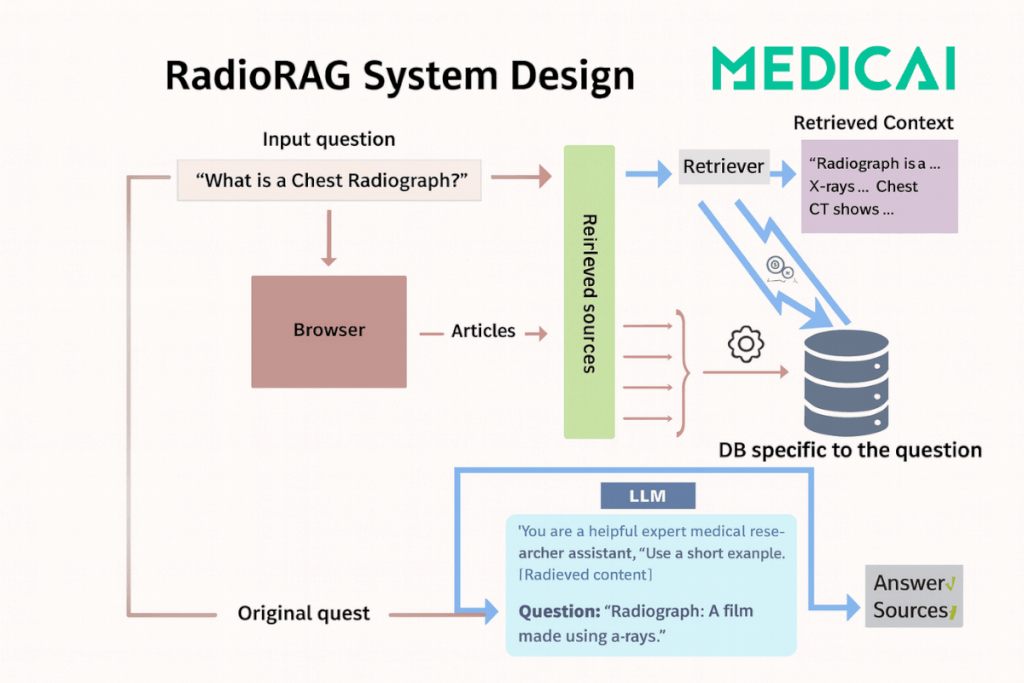
Read MoreRetrieval-Augmented Generation: The Missing Link Between AI and Radiology Accuracyretrieval augmented generation Retrieval-Augmented Generation: The Missing Link Between AI and Radiology Accuracy As radiologists face mounting caseloads and increasing demand for rapid diagnostic decisions, large language models (LLMs) have emerged as promising allies. Yet, conventional LLMs suffer from limitations that constrain their reliability: hallucinations, outdated information, and a lack of source transparency.... By Andrei Blaj Aug 4, 2025