Medical Imaging Technology
The Medical Imaging Technology category highlights the latest advancements and innovations in medical imaging. This section covers topics such as the development of new imaging techniques, improvements in diagnostic accuracy, and the integration of technologies like artificial intelligence and cloud-based solutions. Articles explore how these innovations are transforming the way healthcare professionals capture, analyze, and utilize imaging data to improve patient care and streamline medical workflows.
142 posts
Read MoreOncology PACS: The Future of Cancer Imaging and Treatment

Oncology PACS: The Future of Cancer Imaging and Treatment Cancer doesn’t wait—so why should imaging? With cancer cases rising and imaging data growing exponentially, oncologists need a faster, smarter way to manage medical images. Enter Oncology PACS! Oncology PACS is a specialized imaging solution for storing, retrieving, and sharing...

Read MoreInterventional Radiology: Safe, Fast & Effective Procedures
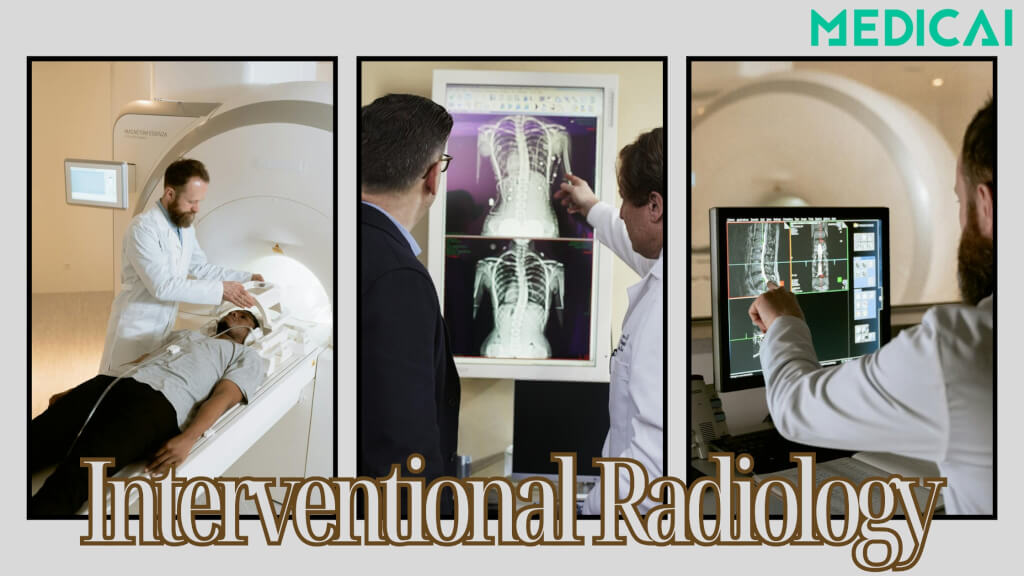
Interventional Radiology: Safe, Fast & Effective Procedures What if life-saving treatments no longer required large incisions, long hospital stays, or weeks of painful recovery? Interventional radiology (IR) is making that a reality. Interventional radiology (IR) is a medical specialty that uses image-guided, minimally invasive techniques to diagnose...

Read MoreBenign vs Malignant: Is Your Tumor Cancerous?
Benign vs Malignant: Is Your Tumor Cancerous? Finding out you have a tumor raises one question first: is it cancer? Tumors are abnormal growths of cells in the body. Not all tumors are cancerous. While some are harmless, some can be aggressive and life-threatening. Benign tumors are...

Read MoreRemote Radiology: How Radiologists Are Embracing Work-from-Home Models
Remote Radiology: How Radiologists Are Embracing Work-from-Home Models Can radiologists work from home? Teleradiology allows radiologists to work from home and interpret X-rays, CT scans, MRIs, and other medical images remotely. Using secure PACS systems, cloud-based platforms, and AI-assisted diagnostics, remote radiologists can provide expert reports from anywhere....

Read MoreMedical Image Sharing for Lawyers: Requests, Chain of Custody, and Evidence
Medical Image Sharing for Lawyers: Requests, Chain of Custody, and Evidence In personal injury and medical malpractice cases, imaging is often the most objective evidence of harm. An MRI showing a herniated disc, a CT showing a skull fracture, or a missed finding on a prior scan can shape liability, damages,...

Read MoreAI For Oncology Imaging: Early Detection, Better Outcomes
AI For Oncology Imaging: Early Detection, Better Outcomes Cancer detection and treatment are undergoing a radical transformation, and AI is at the heart of this evolution. With its ability to analyze complex imaging data, AI is helping oncologists detect cancer earlier, more accurately, and more efficiently than ever...

Read MoreHow PACS and RIS Systems Improve Imaging Workflows in Healthcare
How PACS and RIS Systems Improve Imaging Workflows in Healthcare Imagine a radiologist receiving an urgent case at 3 AM. Instead of wrestling with slow servers and missing files, she instantly accesses high-resolution brain scans on her tablet, collaborates with specialists across the hospital, and delivers a life-saving diagnosis in...

Read MoreWhat is DICOM Viewer Functionality? Key Features You Need to Know
What is DICOM Viewer Functionality? Key Features You Need to Know A DICOM viewer isn’t just a tool—it’s the gateway to precise diagnostics, streamlined workflows, and better patient care. However, what does a strong and smart DICOM viewer offer? It’s DICOM viewer functionality. DICOM viewer functionalities include tools for viewing, analyzing,...

Read MoreEnterprise Imaging Software for Radiology: What It Covers and How to Evaluate It
Enterprise Imaging Software for Radiology: What It Covers and How to Evaluate It Every minute matters when a stroke patient arrives in the ER. As doctors race against time, they can’t afford to wait for critical brain scans stuck in transit between hospitals. While medical imaging has revolutionized disease diagnosis and treatment, outdated...

Read MoreWhy Telehealth Workflow Matters: Strategies for Better Virtual Care
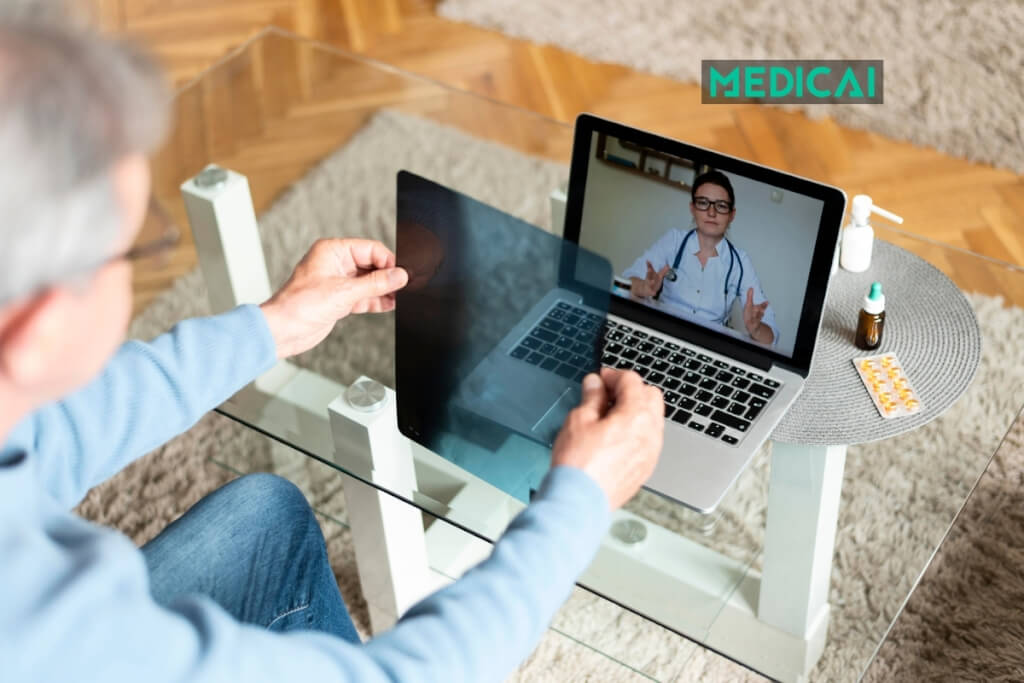
Why Telehealth Workflow Matters: Strategies for Better Virtual Care Have you ever had a frustrating telehealth experience—dropped calls, endless paperwork, or mismanaged follow-ups? While virtual care has transformed healthcare, a poorly structured telehealth workflow can create more problems than solutions. A strong telehealth workflow is the backbone of virtual...

Read MoreAI in Neurology Imaging: Clinical Uses, FDA-Cleared Tools, and Limits
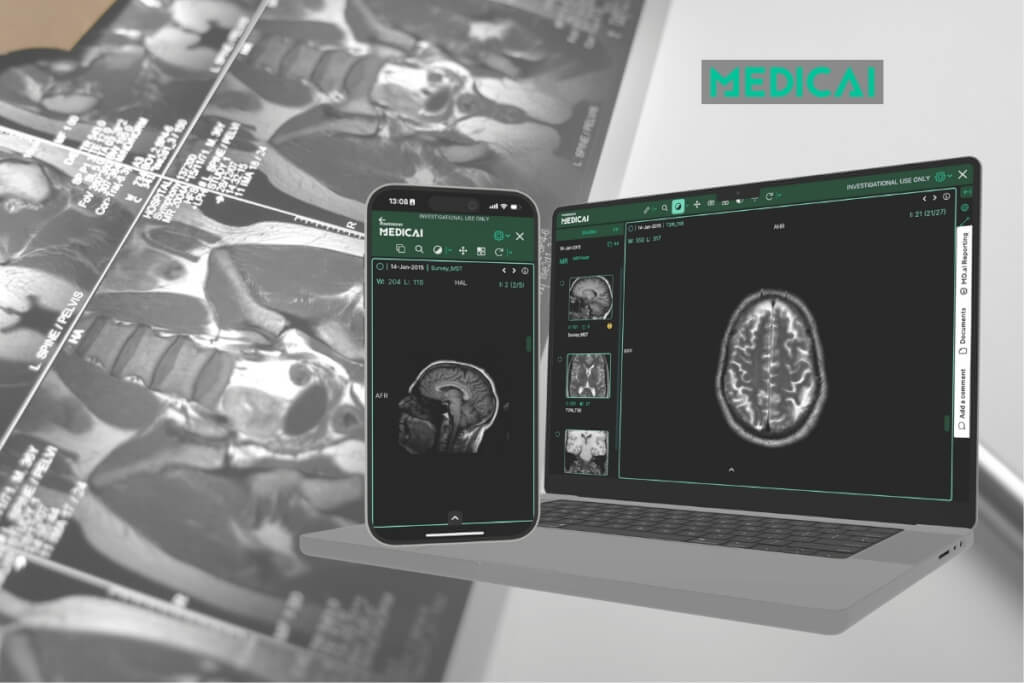
AI in Neurology Imaging: Clinical Uses, FDA-Cleared Tools, and Limits AI in neurological imaging is software, mostly based on deep learning, that detects, measures, or prioritizes findings on brain and spine CT and MRI scans. Today it is used in four main ways: Most of these tools are FDA-cleared as...

Read MoreWhat Can an EEG Show That an MRI Cannot?
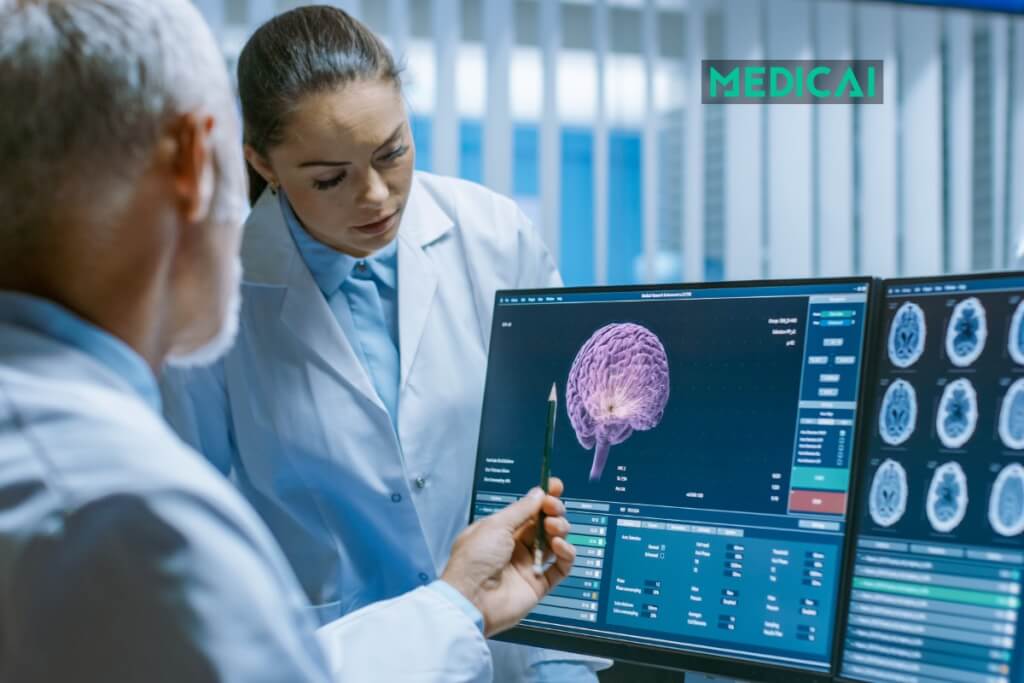
What Can an EEG Show That an MRI Cannot? EEG and MRI do not measure the same thing. EEG records electrical activity in the brain, while MRI shows brain structure. That is why EEG can detect seizure-related activity and timing patterns that MRI may not show, while MRI can...
