Transforming Cancer Care: The Impact of Oncological Imaging on Patient Outcomes

Oncological imaging is a specialized area of medical imaging that uses various techniques to visualize the internal structures of the body and detect any abnormalities that may be indicative of cancer. In this blog post, we will explore the different aspects of oncological imaging management and how our software platform can help streamline the process.
Types of Oncological Imaging Techniques
There are several imaging techniques used in oncological imaging management. The most common ones include:
Computed Tomography (CT) Scan
CT scan is an imaging technique that uses X-rays to create detailed images of the body’s internal structures. It is commonly used to diagnose and monitor cancer.
Magnetic Resonance Imaging (MRI)
MRI uses a strong magnetic field and radio waves to create detailed images of the body’s internal structures. It is commonly used to diagnose and monitor cancer in the brain, spine, and soft tissues.
Positron Emission Tomography (PET) Scan
PET scan is an imaging technique that uses a radioactive substance called a tracer to visualize the metabolic activity of cells in the body. It is commonly used to diagnose and monitor cancer.
Ultrasound
Ultrasound uses high-frequency sound waves to create images of the body’s internal structures. It is commonly used to diagnose and monitor cancer in the liver, pancreas, and other organs.
Challenges in Oncological Imaging Management
Oncological imaging management can be a complex and challenging process. There are several challenges that need to be addressed, including:
Data Management
Oncological imaging generates large amounts of data that need to be stored, managed, and accessed efficiently. This can be challenging, especially when dealing with multiple imaging modalities and data formats.
Workflow Management
Oncological imaging requires a streamlined workflow that involves multiple stakeholders, including radiologists, oncologists, and other healthcare professionals. A well-designed workflow is critical for ensuring timely and accurate diagnosis, treatment, and monitoring of cancer.
Integration with Electronic Health Records (EHRs)
Oncological imaging data needs to be integrated with EHRs to provide a comprehensive view of the patient’s health history. This can be challenging, especially when dealing with multiple EHR systems and data formats.
How Our Software Platform Can Help
Our software platform is designed to help address the challenges of oncological imaging management. Here are some ways our platform can help:
Data Management
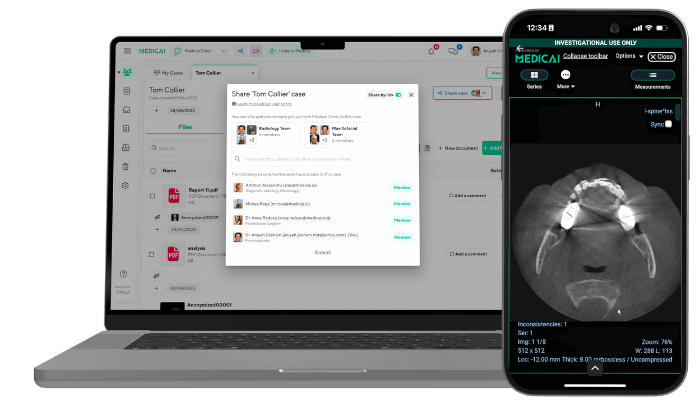
Our platform supports multiple imaging modalities and data formats, making it easy to store, manage, and access oncological imaging data. Our platform also supports cloud-based storage and secure sharing of data, making it easy to collaborate with other healthcare professionals.
Workflow Management
Our platform provides a streamlined workflow for oncological imaging management, making it easy to manage the entire process from image acquisition to diagnosis, treatment, and monitoring. Our platform also provides tools for automated image analysis, making it easier and faster to interpret imaging results.
Integration with EHRs
Our platform integrates with multiple EHR systems and data formats, making it easy to share oncological imaging data with other healthcare professionals. Our platform also supports HL7 standards for seamless integration with other healthcare systems.
Conclusion
Oncological imaging management plays a critical role in the diagnosis, treatment, and monitoring of cancer. As a medical imaging software platform, we understand the challenges involved in managing oncological imaging data and workflows. Our platform is designed to address these challenges and provide a streamlined, efficient, and secure solution for oncological imaging management.

Related Articles
Lets get in touch!
Learn more about how Medicai can help you strengthen your practice and improve your patients’ experience. Ready to start your Journey?
Book A Free Demo