PACS pentru Îngrijire Urgentă: Configurare, Integrare, Cele Mai Bune Practici

În asistența de urgență, fiecare minut contează. Pacienții vor răspunsuri acum, nu după ce un CD se scrie sau un curier ajunge.
Aici intervine PACS.
Un sistem modern de arhivare și comunicare a imaginilor pune fiecare radiografie, CT și ecografie într-un singur loc sigur. Imaginile apar la câteva secunde după scanare. Rezultatul este timpi de așteptare mai scurți, comunicare mai clară și mai puține repetări ale scanărilor.
Descoperiți de ce PACS se potrivește asistenței de urgență, cum accelerează deciziile și ce să căutați atunci când alegeți o soluție.

Problemele în imagistica de urgență
Chiar și cu scanere capabile, imagistica poate fi oprită dacă fluxul de lucru din jurul lor este nepractic. Aceste blocaje încetinesc diagnosticele, frustrează pacienții și consumă timpul personalului.
Întârzierea din cauza transferurilor fizice
CD-urile și unitățile USB permit tehnicienilor să exporte și să nominalizeze imagini pentru furnizori, în timp ce pacienții așteaptă. Totuși, discurile pot fi pierdute sau zgâriate, ceea ce duce la re-exporturi sau re-scanări.
Acoperirea pe orele externe poate întârzi accesul la imagini, necesitando intervenția curierului sau a personalului. Confuzia versiunii din actualizările nesincronizate rezultă în timpi mai lungi de diagnosticare, săli de așteptare aglomerate și vizite repetate inutile.
Capabilități fragmentate la fața locului
Site-urile de asistență de urgență cresc adesea haotic, rezultând în stații de lucru separate pentru radiografie, ecografie și vizualizatoarele din biroul central. Această fragmentare duce la costuri mari de instruire, la un număr crescut de clicuri pe sarcină și la erori potențiale, cum ar fi lipsa examenelor anterioare sau aplicarea greșită a protocoalelor.
De asemenea, împiedică recenziile intermodale, esențiale pentru cazuri precum evaluarea gleznei umflate. În plus, limitările hardware-ului și licențele pe persoană limitează cine poate citi și de unde.
Lacune în integrarea cu EHR/RIS
Integrarea slabă a imagisticii cu EHR/RIS provoacă silozuri de date, rezultând în informații reintroduse, MRN-uri necorelate și fluxuri de lucru perturbate. Acest lucru împiedică suportul decizional și încetinește facturarea, ceea ce este vital în asistența de urgență.
Ce este PACS și de ce are nevoie asistența de urgență
În setările de asistență de urgență, fiecare minut economisit în revizuirea imaginilor poate însemna diagnostice mai rapide și pacienți mai fericiți. PACS oferă această viteză prin centralizarea și simplificarea modului în care scanările sunt stocate, accesate și partajate.
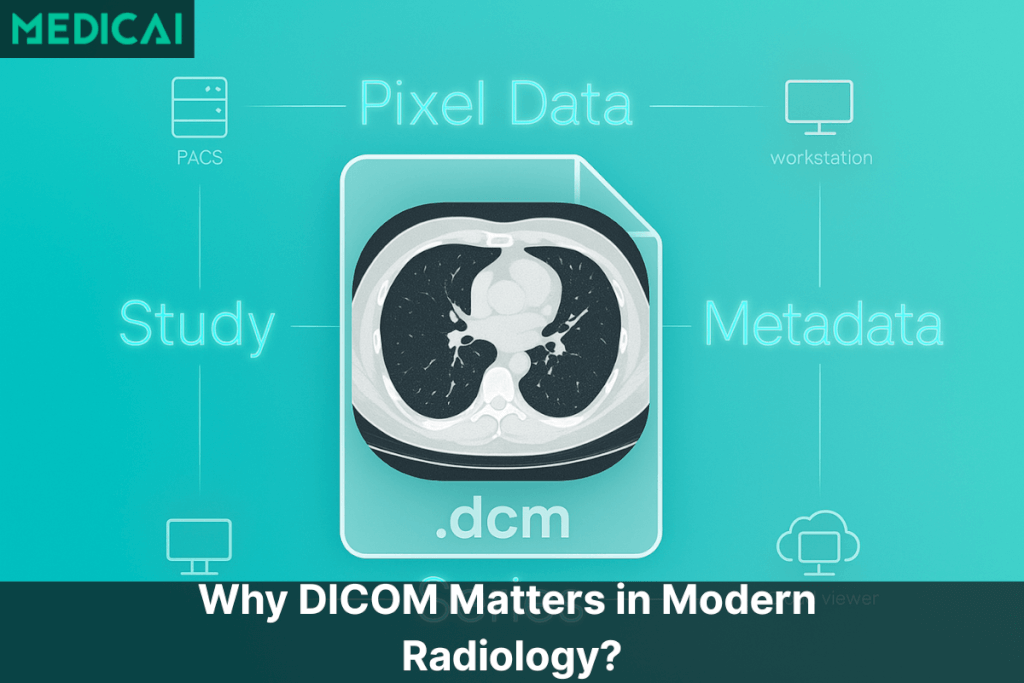
În esență, PACS (Sistem de arhivare și comunicare a imaginii) digitizează imaginile medicale, radiografiile, CT-urile, RMN-urile, și le stochează pe un server conectat la rețea, mai degrabă decât pe film sau discuri. Dar PACS-ul modern merge mai departe:
- Includem instrumente de colaborare pentru ca clinicienii să poată adnota studiile.
- Deschideți examene anterioare față în față.
- Invitați specialiști la distanță în procesul de revizuire cu un link simplu.
De îndată ce o imagine este achiziționată, aceasta se încarcă în norul PACS, declanșând notificări automate pentru radiologii de gardă sau medicii consultanți. Acest lucru elimină urmele de hârtie, reduce întârzierile curierului și permite echipelor de îngrijire să ia decizii pe baza celor mai recente date.
De ce are nevoie asistența de urgență de PACS
Centrele de asistență de urgență gestionează volume de pacienți imprevizibile și cazuri acute variate. În asistența de urgență, PACS îmbunătățește procesul de imagistică prin încărcarea rapidă a scanărilor într-un hub centralizat accesibil pe orice dispozitiv, accelerând imagistica și reducând erorile în clinicile aglomerate.
Iată câteva câștiguri de zi cu zi pe care echipa dvs. le va observa.
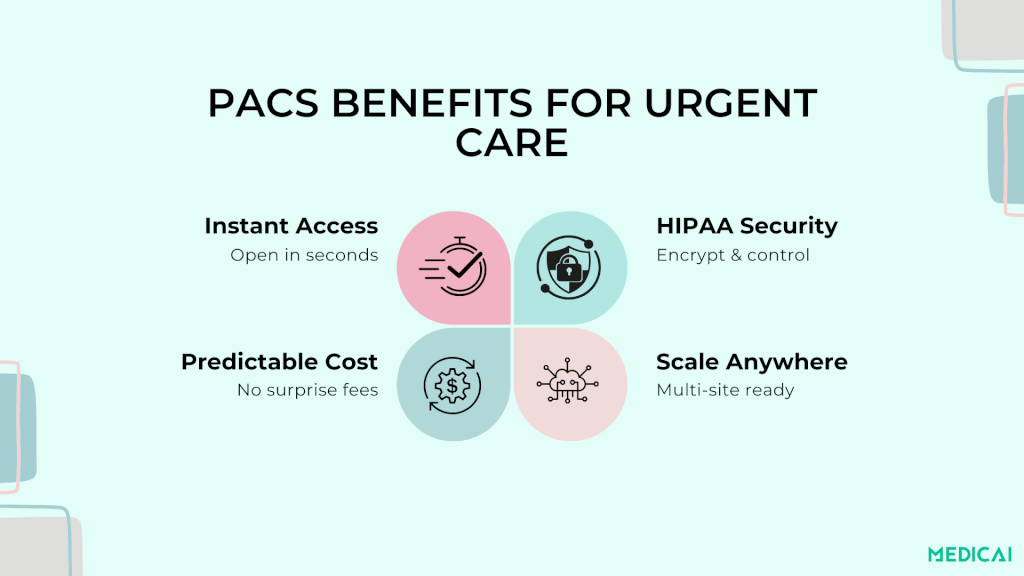
- Decizii mai rapide: Imaginile apar imediat după scanare, astfel încât clinicienii pot confirma fracturile, exclude pneumonia și începe tratamentul fără întârziere.
- Timpi de așteptare mai scurți: Fără CD-uri sau transferuri manuale. Pacienții trec de la imagistică la tratament în pași mai puțini, ceea ce îmbunătățește satisfacția și fluxul de lucru.
- Comunicare mai clară: Tehnicienii, furnizorii și cititorii la distanță văd aceeași studiu, comentarii și imagini anterioare. Mai puține apeluri telefonice. Mai puține neînțelegeri.
- Acces la examenele anterioare: Studiile anterioare se încarcă alături de imaginile de astăzi. Modificările sunt mai ușor de observat, ajutând la evitarea re-scanărilor inutile.
- Lecturi la distanță atunci când este necesar: Radiologii de gardă pot citi de oriunde cu acces securizat, menținând îngrijirea în mișcare după program.
- Documentație mai curată: Măsurile și imaginile annotate se duc în raport și se leagă înapoi la fișa medicală, sprijinind codificarea precisă și urmărirea.
- Manipularea datelor mai sigură: Accesul pe bază de rol, traseele de audit și criptarea protejează intimitatea pacienților, menținând în același timp imaginile disponibile atunci când sunt necesare.
- Sarcină redusă pentru personal: Fără arderea discurilor, urmărirea fișierelor sau introducerea dublă. Personalul se concentrează pe pacienți, nu pe mutarea datelor.
- Pregătit pentru creștere: Pe măsură ce volumele de vizite cresc sau se deschid noi site-uri, PACS se scalează astfel încât toate locațiile să împărtășească un flux de lucru de imagistică consistent.
Cum să integrați PACS în fluxul de lucru de asistență de urgență
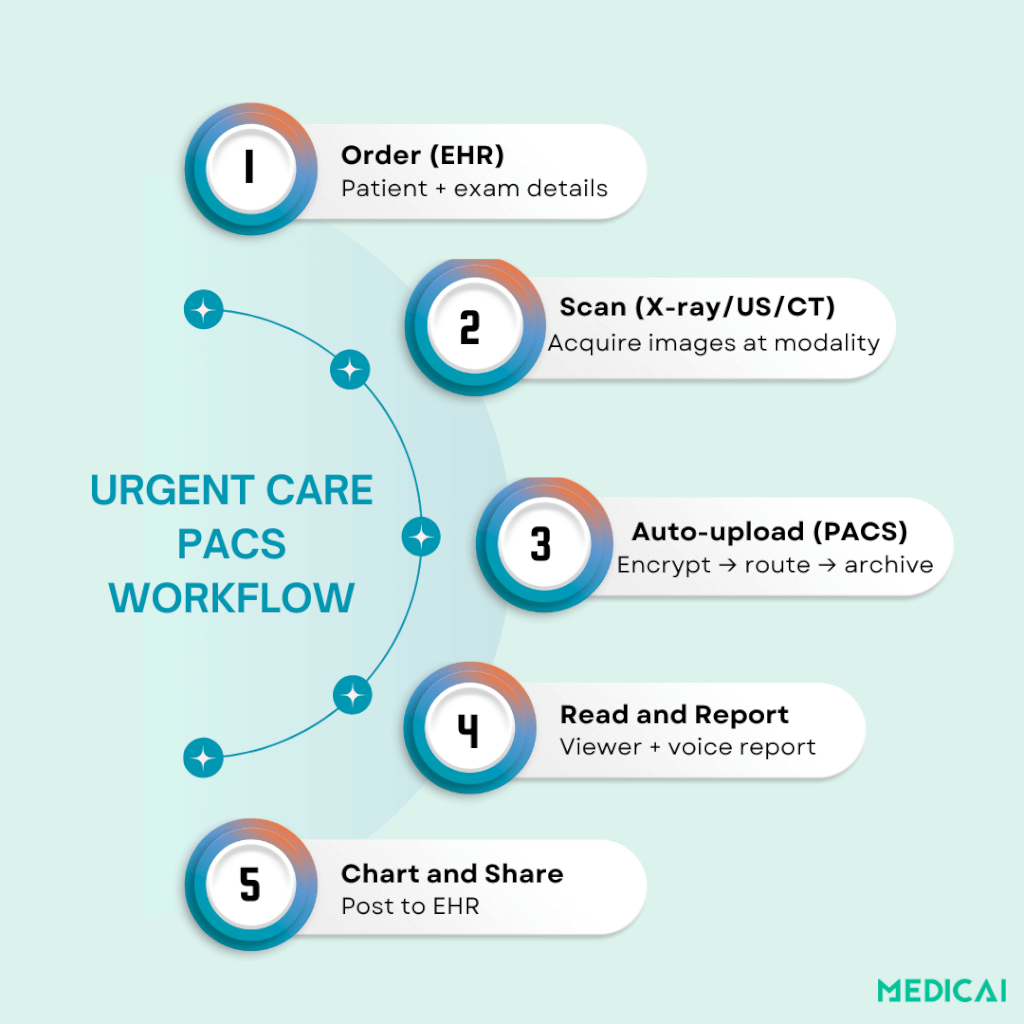
Implementarea PACS poate simplifica clinica dvs. fără întrerupere. Începeți prin a mapa procesele dvs. curente. Apoi, combinați componentele PACS pentru a elimina orice blocaje.
Maparea fluxului de lucru actual & obiective
Documentați parcursul de la cap la coadă:
- introducerea comenzii
- sosirea pacientului
- imagistica
- interpretarea
- livrarea rezultatelor
- facturare.
De asemenea, notați unde apar întârzierile (de exemplu, ardere CD, încărcări manuale, postare rapoarte).
Conectarea modalităților (DICOM) și testul
Acordați fiecărui dispozitiv un titlu AE unic, IP și port, apoi înregistrați-le în PACS. Activarea C-STORE (trimiterea imaginilor), C-FIND/MOVE/GET (interogare/recuperare), și testarea cu C-ECHO pentru a confirma conectivitatea.
Setați reguli de rutare după modalitate, parte a corpului sau site și prefetch examenele anterioare după MRN pentru a asigura comparații gata înainte ca clinicianul să deschidă studiul.
Integrați cu EHR/RIS
Conectați comenzile și rezultatele folosind linkuri HL7 sau FHIR de lansare/context astfel încât demograficele, numerele de acces și ID-urile de întâlnire să curgă automat. Mapați codurile dvs. și asigurați-vă că rapoartele se posteză înapoi la fișa corectă cu hyperlinkuri de imagine.
Vizați un singur logare astfel încât clinicienii să poată trece de la fișa pacientului la vizualizator cu un singur clic.
Configurați vizualizarea & raportarea
Standardizați protocoalele de suspendare și presetările implicite ale ferestrei/nivelului pe tipul de examene. Activați accesul pe bază de rol cu MFA pentru tehnicieni, PA, medici și cititori la distanță. Implementați șabloane structurate de raport, dictare vocală, alerte pentru rezultate critice și faxare automată/messaging direct pentru furnizorii referenți.
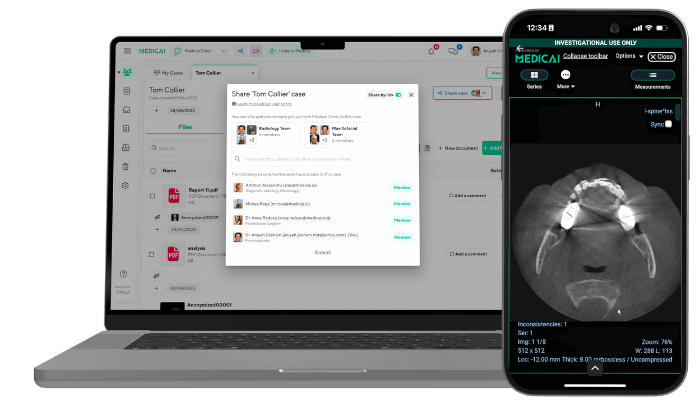
Vizualizatorul cloud Medicai oferă acces fără instalare, examene anterioare alăturate și consultări bazate pe linkuri pentru a îmbunătăți luarea deciziilor.
Migrarea și păstrarea datelor
Planificați cum să importați studiile anterioare: utilizați încărcări DICOM în bloc din arhivele locale, încărcați printr-un gateway, sau transferați folosind un arhivă neutră față de furnizor (VNA). Verificați datele cu checksum și verificați anonimizarea atunci când este necesar.
Stocați datele examenului pe tip și metodă. Plasați studiile mai vechi în stocare mai lentă și mențineți cele recente în stocare mai rapidă pentru acces ușor.
Instruire, Live & Monitorizare
Oferiți instruire specifică rolurilor (recepție, tehnicieni, clinicieni, administratori) folosind fluxurile dvs. reale. Efectuați o lansare moale după ore, urmată de o lansare în etape cu hypercare în prima săptămână.
Monitorizați cozile, jurnalele de erori și tablourile de bord de întoarcere; setați alerte pentru trimiteri eșuate, studii lente și întârzieri de postare a rapoartelor.
Revizuiți KPI lunar și ajustați rutarea, șabloanele și protocoalele pentru a atinge obiectivele de flux și satisfacție.

Alegerea soluției PACS potrivite pentru asistența de urgență
Selectarea unui PACS afectează fluxul pacienților, sarcina de lucru a personalului și costurile.
Cloud vs. On-Premises
Cloud PACS funcționează pe serverele furnizorului, iar dvs. îl utilizați prin internet. Se pornește rapid, nu necesită hardware nou și funcționează pe orice dispozitiv. Furnizorul se ocupă de backup-uri și actualizări. Pentru majoritatea centrelor de asistență de urgență, acest lucru înseamnă costuri inițiale mai mici și mai puține dureri de cap IT.
On-premises PACS funcționează pe servere în clădirea dvs. Poate ajuta dacă aveți reguli stricte privind datele sau o conexiune slabă la internet. Cu toate acestea, necesită o investiție inițială semnificativă, upgrade-uri hardware continue și un personal IT.
O configurație hibridă poate combina un mic cache local pentru studiile recente cu stocarea în cloud pentru restul.
Funcții esențiale pentru asistența de urgență
Căutați un vizualizator care se deschide într-un browser web și se lansează din EHR cu un clic. Verificați că puteți vizualiza studiile anterioare față în față, realizați măsurători rapide și adăugați note cu ușurință. Dictarea vocală și șabloanele vă ajută să finalizați rapoartele mai repede.
Securitatea trebuie să fie puternică:
- Criptare
- acces pe baza de rol
- conectare multifactori
- jurnale de audit.
Asigurați integrarea fără probleme cu EHR-ul dvs. pentru comenzi automate, detalii ale pacientului și rapoarte. Pentru multiple clinici, confirmați rutarea corectă a studiilor între site-uri, chiar și pe conexiuni mai lente. Accesul mobil pentru citiri la distanță este un bonus.
Instrumentele AI opționale, precum steagurile rapide pentru fracturi sau pneumotorax, pot economisi minute atunci când timpul contează.
Vizualizatorul cloud Medicai oferă acces rapid la fișă, consultări bazate pe linkuri și prefetching inteligent pentru examene pregătite atunci când deschideți un studiu.
Asistență furnizor & SLA-uri
Solicitați promisiuni clare de timp de funcționare, timpi de reacție rapizi și un lider de proiect dedicat pentru formare și migrare. Asigurați-vă că puteți exporta imaginile și rapoartele dacă schimbați furnizorii. Cunoașteți costurile și termenul de livrare.
Verificați certificările de securitate și cât de repede repară sistemele. În cele din urmă, solicitați un preț simplu și transparent, fără taxe neașteptate pentru creșterea stocării sau utilizatori suplimentari.
Concluzie
Asistența de urgență câștigă atunci când imagistica este rapidă, simplă și de încredere. PACS aduce fiecare studiu într-un singur loc, reduce timpii de așteptare și oferă clinicianilor răspunsuri instantanee.
Dacă sunteți gata să înlocuiți CD-urile, vizualizatoarele improvizate și transferurile lente, începeți cu un PACS cloud construit pentru asistența de urgență. Medicai vă ajută să lansați rapid, să integrați cu EHR-ul și să scalați între site-uri.
Amintește-ți, în sănătate, imaginile mai rapide înseamnă o îngrijire mai bună a pacienților.


Articole conexe
Haideți să luăm legătura!
Aflați mai multe despre modul în care Medicai vă poate ajuta să vă consolidați practica și să îmbunătățiți experiența pacienților dumneavoastră. Sunteți gata să începeți călătoria?
Rezervați o demonstrație gratuită