How Cloud-Based Radiology Systems Improve Cross-Department Collaboration

The amount of patient data generated by healthcare organizations continues to grow rapidly. And medical imaging remains one of the most data-intensive areas within modern clinical environments.
Radiology departments manage scans, reports, image archives, and diagnostic requests that must move quickly between specialists, physicians, and care teams. Traditional imaging infrastructure struggles to support these demands, especially when multiple departments rely on immediate access.
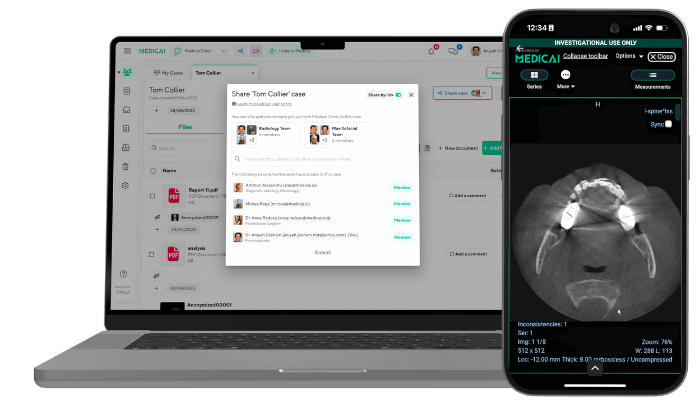
Cloud-based radiology systems have changed how hospitals and healthcare networks manage imaging workflows. These platforms allow physicians, radiologists, specialists, and administrators to access imaging data securely from different locations.
That’s probably one of the reasons why the global healthcare cloud computing market continues to rise. It is expected to exhibit a 17.7% CAGR from 2026 to 2031. This will help the market rise from its current value of $62.97 billion to $166.96 billion. North America will hold the largest market share at 45.4% in 2025.
The report highlights how hospitals increasingly rely on cloud technologies to improve operational flexibility and collaboration across departments.
The Shift Away From Isolated Imaging Systems
Traditional radiology environments relied on on-premise Picture Archiving and Communication Systems (PACS). While these systems supported basic imaging workflows, they created silos between departments. Cloud-based systems solve many of these limitations through centralized access.
Research published in Heliyon examined how cloud-integrated healthcare systems improve data coordination and support more efficient information sharing. The study emphasized that centralized digital systems can strengthen continuity of care by reducing fragmentation between departments and healthcare facilities.
This connectivity helps different teams work together for better outcomes. Consider the example of clinical pharmacists, who work alongside other healthcare professionals in hospitals, immediate care clinics, etc. According to the University of Findlay, clinical pharmacists can monitor the effects of medications. They may also request laboratory tests and adjust treatment as part of collaborative practice agreements.
To get the necessary skills for this, pharmacists need to enroll in a PharmD program. This has become easier thanks to the advent of online education. Even working professionals can now find and enroll in a PharmD online program for flexibility.
Cloud-based radiology systems also reduce the administrative burden associated with maintaining separate imaging databases across departments. Centralized storage and standardized access help healthcare organizations manage imaging records more consistently while minimizing duplication. This creates a more organized workflow environment where departments can focus more on patient care.
Faster Communication Between Clinical Teams
Communication delays can significantly affect patient care, especially in emergency and acute care settings. Cloud-based radiology systems improve communication by allowing imaging data and reports to move quickly between departments.
Emergency physicians require immediate imaging results to determine treatment priorities. Surgeons may need to review scans before procedures while consulting with radiologists in real time.
Oncology teams frequently depend on imaging updates to monitor treatment response and adjust care plans. Cloud-enabled systems simplify these interactions through synchronized access to images, annotations, and reports.
A study reveals that technology can’t replace human communication. In-person human interactions still remain crucial. However, technology can streamline communication pathways. For example, suppose a physician wants to interact with his team about an imaging he received for a patient.
Now, face-to-face communication can be beneficial for the team to understand facial and body language. However, suppose the physician had shared the imaging report with the team before their face-to-face interaction. In this case, the team would have been able to follow the discussion more clearly.
Supporting Multidisciplinary Care Models
A study published in Dovepress explains how Multidisciplinary Team-Based Care (MTBC) in primary healthcare can improve patient outcomes. They also improve care coordination, chronic disease management, and staff satisfaction through collaboration among healthcare professionals from different fields.
The review highlights that successful MTBC models depend on strong communication, clearly defined roles, shared leadership, and integrated technology systems. Trust among team members, ongoing training, patient involvement, and stable funding structures also play a crucial role.
At the same time, it identifies common barriers, including workforce shortages, fragmented healthcare systems, limited resources, and poor communication. The authors conclude that well-structured multidisciplinary care models can strengthen primary healthcare delivery and create more efficient, patient-centered services.
Radiology plays a central role in these discussions because imaging results influence diagnosis, monitoring, and intervention strategies across numerous medical specialties. Cloud-based radiology systems support multidisciplinary care by creating shared environments where clinicians can review imaging studies simultaneously.
Tumor boards, cardiac review panels, neurological case conferences, and trauma response teams all benefit from synchronized access to imaging information. Patients also experience fewer delays when departments collaborate efficiently.
Improving Remote Access and Telemedicine Integration
Telemedicine has become a major component of healthcare delivery, particularly as healthcare organizations expand remote consultation services and distributed care models. Radiology naturally aligns with remote healthcare because imaging files can be reviewed digitally from almost any location with secure access.
Cloud-based systems support telemedicine by enabling radiologists and specialists to access imaging studies remotely without sacrificing workflow continuity. Healthcare organizations can distribute workloads across regions, connect with external consultants, and provide after-hours coverage more effectively through cloud infrastructure.
This flexibility also improves collaboration between hospitals and outpatient facilities. Specialists reviewing imaging studies remotely can communicate findings quickly to referring physicians without requiring complicated data transfer.
These benefits are driving the growth of the teleradiology market. The global teleradiology market was worth $15.6 billion in 2024, and could reach $60.3 billion by 2030. It will grow at a CAGR of 25.7% during the forecast period.
The integration of artificial intelligence (AI) could also help advance teleradiology. With AI capabilities, the cloud-based radiology system could also facilitate clinical decision-making. A Nature journal research shows how AI-assisted healthcare technologies can improve diagnostic efficiency when integrated within collaborative healthcare environments.
Frequently Asked Questions
How do cloud-based imaging systems support medical research?
Medical research depends heavily on access to large datasets, imaging archives, and collaborative analysis tools. Cloud-based radiology systems make it easier for research institutions and hospitals to store, organize, and analyze imaging data across multiple locations. Researchers can access anonymized imaging records more efficiently while collaborating with specialists from other institutions.
Why is interoperability important in radiology environments?
Interoperability allows different healthcare systems, applications, and departments to exchange data without compatibility barriers. In radiology, interoperability ensures imaging records can move between hospitals, clinics, and electronic health record systems without delays or information loss. This improves continuity of care because physicians can review complete imaging histories regardless of where scans were originally performed.
Can smaller clinics benefit from cloud-based radiology platforms?
Smaller clinics and independent healthcare facilities can benefit significantly from cloud-based imaging systems. These platforms provide access to advanced infrastructure without requiring large in-house IT investments. Cloud-enabled systems allow them to connect with external radiologists, share imaging studies securely, and participate in broader healthcare networks.
Cloud Computing Radiology in Numbers
| The estimated cloud computing healthcare market in 2031 | $166.96 billion |
| Current teleradiology market | $15.6 billion in 2024 |
| Expected teleradiology market by 2030 | $60.3 Billion |
| Primary advantage of cloud-based radiology systems | Faster cross-department access to imaging data |
| AI in radiology | Improves diagnostic efficiency and decision-making |
Cloud-based radiology systems have transformed how healthcare departments communicate, collaborate, and manage imaging data. Faster access to diagnostic information supports more coordinated care while reducing delays caused by disconnected infrastructure and outdated workflows.
Hospitals, clinics, and healthcare networks increasingly depend on integrated imaging platforms that allow professionals to work within unified environments. Improved interoperability strengthens multidisciplinary care models while supporting telemedicine, remote consultations, and scalable healthcare operations.

Related Articles
Lets get in touch!
Learn more about how Medicai can help you strengthen your practice and improve your patients’ experience. Ready to start your Journey?
Book A Free Demo